M-Vave opens FM-1 tools for community-built firmware
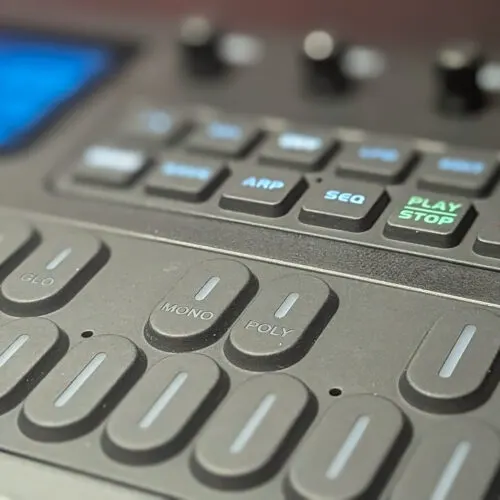
M-Vave has released official development tools for its low-cost FM-1 pocket synthesiser, responding to a fast-growing community that has been modifying the device. The move gives owners a supported route to build and test custom firmware, extending the FM-1 beyond its original music-making purpose.
Announced on 17 October, FM1 Open includes an SDK, a browser-based workbench and an emulator; the application source is published under GPLv3. The core synthesiser engine remains closed, and the device’s single flash bank means an interrupted update can make recovery difficult. Custom firmware also erases saved projects and settings, so users are advised to back them up and check their firmware version before flashing.
In short
- M-Vave has opened development tools for the FM-1.
- The core synthesiser engine remains closed.
- Flashing can erase data or leave the device difficult to recover.
Steelman: both sides, in good faith
The strongest fair case each way — we don't pick a winner.
The case for
Official tools give owners a supported way to build and test firmware, letting a growing community extend the synthesiser and explore uses its maker did not originally provide. Publishing the application source under GPLv3 can also encourage shared improvements and make experimentation more accessible.
The case against
The tools have limits: the core synthesiser engine remains closed, and the single flash bank can make recovery difficult if an update is interrupted. Custom firmware also erases projects and settings, so owners may reasonably prefer the original, more predictable device experience over added flexibility.
Explained simply
A synthesiser makes electronic sounds, which players can shape and use to create music. M-Vave’s FM-1 is a low-cost, pocket-sized instrument; like many digital devices, it runs firmware, the software that controls its features.
Owners have been modifying the FM-1, and community-built firmware can change how it works or add uses beyond making music. M-Vave is the manufacturer, while the SDK and workbench are tools for people who want to develop and test that software; the emulator lets them try it on a computer.
The synthesiser engine, which generates the sounds, remains closed software. Installing custom firmware can also erase saved projects and settings, and an interrupted update may be hard to recover from, so the process can affect both the device and its saved work.
Read the full article at the source →
Originally published by Ars Technica as “From impulse purchase to pocket studio: The M-Vave FM-1”.