World news and discussion on TalkFuse.
The US Government Is Hiding a Secret Court Ruling About How It Spies on Americans
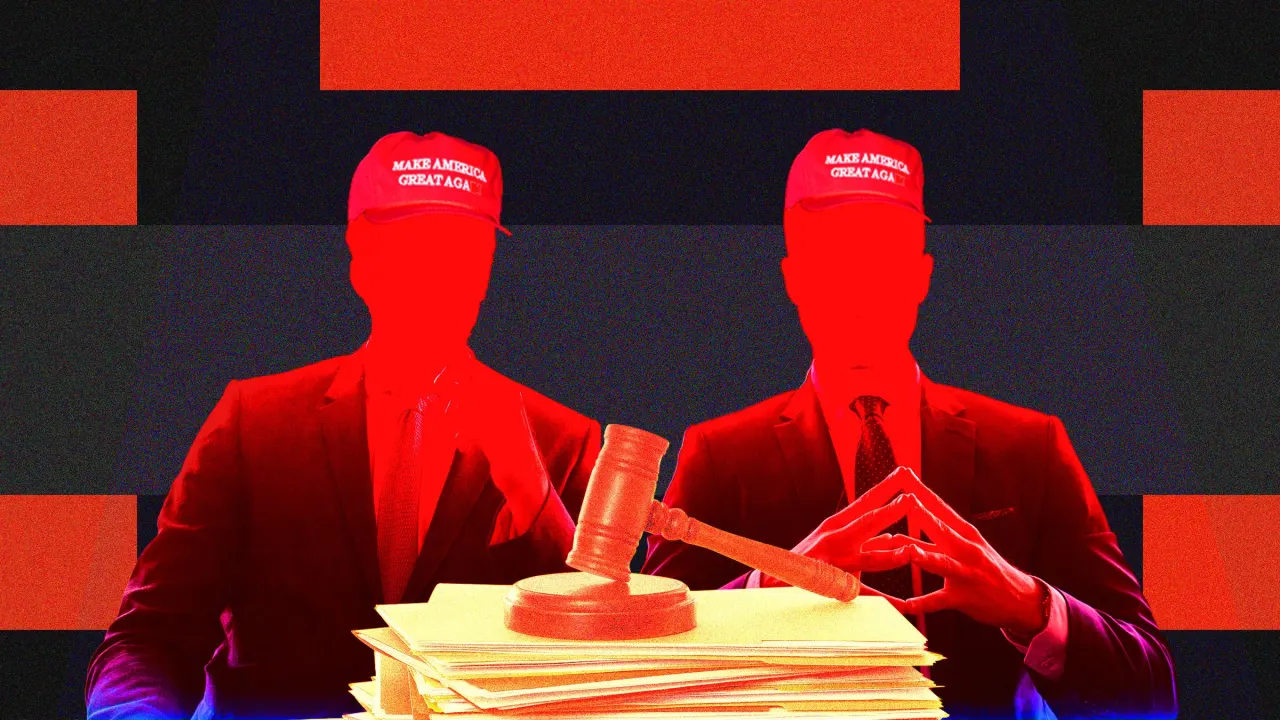
The Foreign Intelligence Surveillance Court reportedly identified search filters that allowed intelligence analysts to access Americans’ messages without legally required approvals, written justifications or records. It nevertheless authorised another year of surveillance, and the ruling remains secret despite a stated 180-day review period; Senators Ron Wyden and Adam Schiff say the deadline passed in September and are demanding an explanation.
The surveillance programme, Section 702 of FISA, lapsed in June when Congress did not renew it, but collection continues under the court’s March approval. Wyden and Schiff want officials to explain the delay and identify those responsible by 6 November, while 23 civil liberties groups oppose reauthorisation until the ruling is disclosed. Earlier court documents described an FBI filter that searched messages involving people connected to surveillance targets; the new ruling reportedly goes further, though its full findings have not been made public.
In short
- A secret court ruling raised concerns about searches of Americans’ messages.
- The ruling’s 180-day release review deadline passed in September.
- Senators and civil liberties groups want disclosure before reauthorisation.
Steelman: both sides, in good faith
The strongest fair case each way — we don't pick a winner.
The case for
Keeping the ruling secret can protect intelligence methods and avoid revealing details that adversaries could use to evade surveillance. Officials may also argue that continued collection is necessary to address foreign threats, and that a court’s approval permits operations to continue while disclosure is reviewed through appropriate channels.
The case against
The ruling reportedly found that search filters enabled access to Americans’ messages without required approvals, reasons or records, making public scrutiny important to accountability and legal compliance. Senators and civil liberties groups can reasonably argue that a missed disclosure deadline, alongside continued surveillance, weakens confidence in oversight and that Congress cannot make an informed decision about reauthorisation without seeing the court’s findings.
Explained simply
Section 702 is part of a US law that allows intelligence agencies to collect the communications of people abroad who are considered foreign intelligence targets. Because Americans may communicate with those people, their messages can also be collected. The law sets rules for when US agencies may search those messages.
The Foreign Intelligence Surveillance Court reviews applications and oversees parts of this surveillance. The FBI and other intelligence agencies use search tools to find relevant communications, while Congress sets the law’s terms and can renew or change its authority. Senators Ron Wyden and Adam Schiff are among the lawmakers scrutinising how the programme is handled.
The dispute matters because searches of Americans’ messages raise questions about privacy and whether legal safeguards are followed. Court decisions are generally secret, but disclosure can help Congress and the public assess how surveillance rules are being applied.
Americas Geopolitics Government Politics World