Gretchen Whitmer asked whether ‘hidden xenophobia’ will affect midterm elections
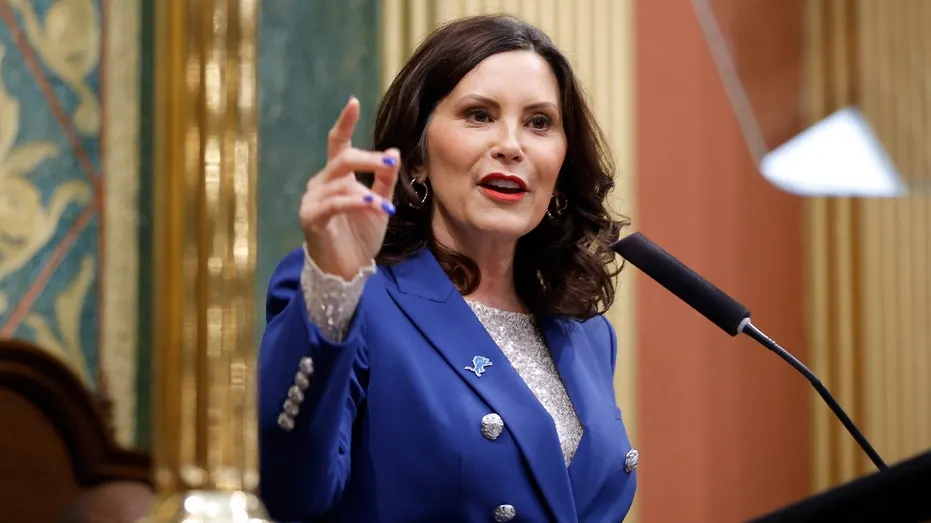
MS NOW anchor Peter Alexander asked Michigan Governor Gretchen Whitmer whether Republicans were trying to exploit xenophobia ahead of the midterm elections. Whitmer said she believed Donald Trump and Republican Senate candidate Mike Rogers hoped such prejudice existed and were trying to cultivate it, adding that Trump’s attacks on Democratic candidate Abdul El-Sayed were dangerous.
Whitmer also argued that Republicans were diverting attention from the cost of living, which she said had risen because of the administration’s decisions. Trump and Rogers have criticised El-Sayed over alleged family ties to the Muslim Brotherhood; the White House said Trump was calling out extremists it accused of fostering division and violence. Whitmer’s office and both campaigns had not immediately responded to requests for comment.
In short
- Whitmer says Trump and Rogers may be cultivating xenophobia.
- She calls Trump’s attacks on El-Sayed dangerous.
- The candidates have clashed over the economy and alleged family ties.
Steelman: both sides, in good faith
The strongest fair case each way — we don't pick a winner.
The case for
Whitmer’s concern is that focusing on a candidate’s alleged family ties to the Muslim Brotherhood can invite suspicion of Muslim or Arab Americans by association, rather than scrutiny of El-Sayed’s own record. In an election, politicians should be able to criticise extremism without stoking prejudice, and attention to such attacks may help voters recognise when identity is being used to distract from issues such as living costs.
The case against
Trump and Rogers’ strongest case is that voters deserve scrutiny of any credible connections to organisations they regard as extremist, especially where they see risks to public safety or democratic values. They could argue that raising those concerns is legitimate political debate, not evidence of xenophobia, provided claims are substantiated and criticism is directed at specific conduct rather than a candidate’s religion or heritage.
Explained simply
Michigan is a politically competitive state, and its governor, Gretchen Whitmer, is a Democrat. Midterm elections take place halfway through a president’s term, when voters choose members of Congress and, in some states, other officials. Michigan’s Senate race is between Republican Mike Rogers and Democrat Abdul El-Sayed.
Donald Trump is a Republican and was president when these remarks were made. The Muslim Brotherhood is an Islamist political movement founded in Egypt; claims about a person’s connections to it can carry particular weight in debates about Muslim identity and national security. The exchange touches on how prejudice, campaign arguments and concerns about living costs may shape voters’ choices.
Elections Government Politics World