China shares slide as doubts grow over lasting returns from AI boom
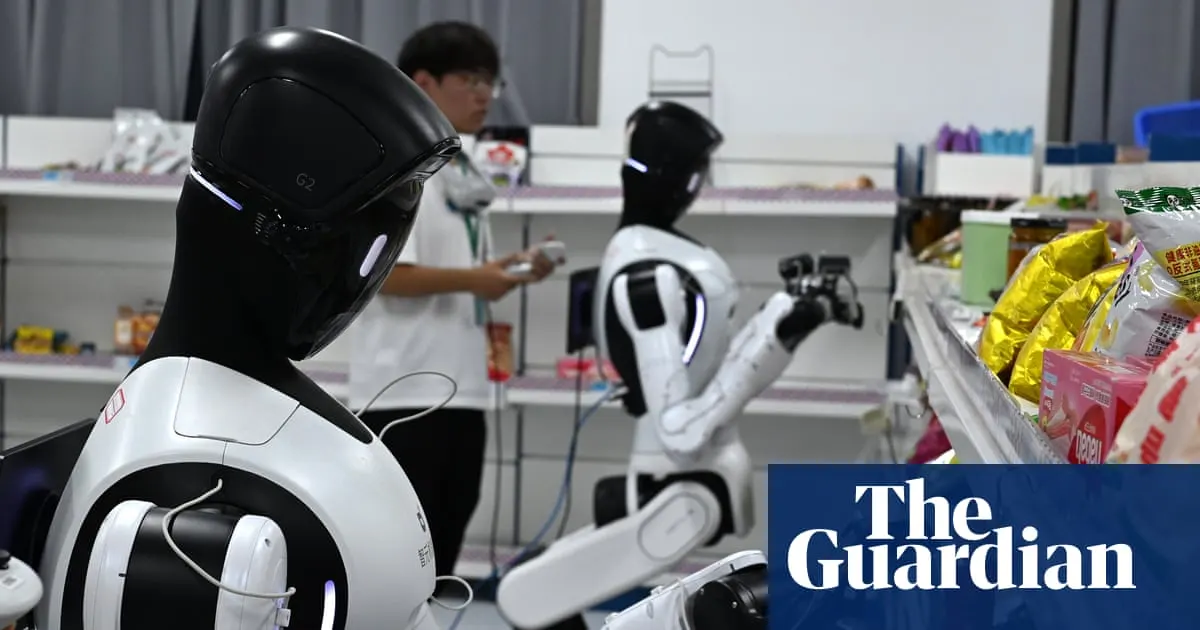
Chinese shares have fallen sharply as concerns grow over whether the country’s AI boom can generate lasting profits. The downturn highlights the pressure on Beijing’s effort to compete with the US, as weak demand at home and the risk of Western restrictions weigh on technology companies.
The STAR 50 Index has dropped 40% since June, while other major indexes have fallen about 20%; Bloomberg estimates $2.4tn has been erased from China’s stock market since May. AI stocks make up more than 40% of the market value in China and Hong Kong, and a new 60bn yuan state-backed AI fund began investing this month. Robotics shares have also come under pressure: Unitree’s shares have halved since trading began in August, while demand for humanoid robots remains concentrated among government and research bodies.
In short
- China’s stock market has lost $2.4tn since May.
- AI shares account for over 40% of China and Hong Kong market value.
- Weak demand and possible US restrictions weigh on tech firms.
Steelman: both sides, in good faith
The strongest fair case each way — we don't pick a winner.
The case for
The sell-off may be a reasonable correction if investors had priced in rapid, durable AI profits before demand and commercial uses were proven. Weak household demand, reliance on government and research buyers for robots, and possible Western restrictions all make returns uncertain; repricing could encourage firms and policymakers to focus on sustainable business models rather than headline growth.
The case against
The falls may understate the long-term potential of China’s AI sector and reflect short-term uncertainty more than a failure of the technology. State-backed investment, a large domestic market and continued competition with the US could help companies build capabilities and find wider uses over time, while temporary volatility is common in emerging industries.
Explained simply
China’s push into artificial intelligence is part of a wider effort to build advanced industries and compete with the United States. The government has supported the sector with policies and investment, while technology companies are developing AI systems and products.
The key players include Chinese technology firms, investors and state-backed funds, alongside US companies and policymakers whose actions can affect access to important technology. Companies need customers to turn development into reliable profits, but demand within China has been weak and restrictions from Western countries could limit access to some tools and markets.
The issue matters because AI and related industries, including robotics, have become a significant part of Chinese and Hong Kong share markets. The scale of investment and the uncertainty over future earnings affect businesses, investors and Beijing’s plans for economic growth.
AI Americas Art Asia Business Culture Health Markets Mental Health Technology World
Read the full article at the source →
Originally published by The Guardian as “Chinese markets lose trillions as race for AI supremacy with US takes its toll”.