Reform trapped in third place in polls as Burnham eyes another majority for Labour
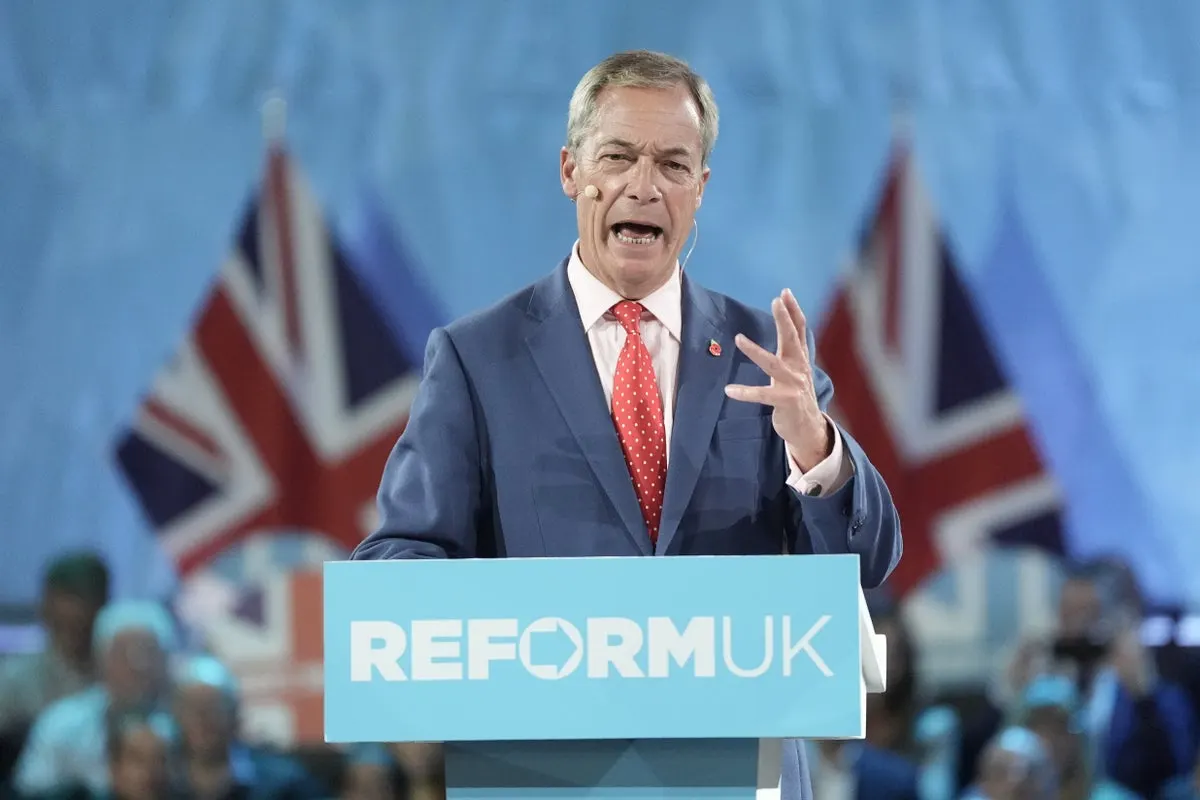
A YouGov poll puts Reform UK third on 20 per cent, behind Labour on 27 per cent and the Conservatives on 22 per cent. The result, alongside a similar Ipsos poll, suggests Reform’s support has fallen sharply from above 30 per cent a year ago, while Labour would be projected to win a small majority.
The poll comes amid a difficult period for Nigel Farage’s party, including a poorly attended alternative Budget event and scrutiny over alleged racism, donations and internal conduct. Electoral Calculus estimates Labour’s share would produce a majority of eight; Farage has also criticised Prime Minister Andy Burnham for suggesting Britain’s relationship with the EU could be discussed again.
In short
- Reform is third on 20 per cent in a YouGov poll.
- Labour leads the Conservatives by five points.
- Labour is projected to win a majority of eight.
Steelman: both sides, in good faith
The strongest fair case each way — we don't pick a winner.
The case for
The polls may indicate that Reform’s support has weakened as voters weigh its policies, leadership and conduct, while Labour has recovered enough ground to remain competitive. If that pattern holds, Labour could secure a workable majority, and Burnham’s openness to discussing the relationship with the EU may be seen by supporters as a pragmatic response to changing economic and political circumstances.
The case against
Polls are snapshots, and a lead for Labour or a fall in Reform’s support does not guarantee the same result at an election; differences between polls and shifts in turnout could change the outcome. Reform supporters may argue that scrutiny of the party and a poorly attended event do not settle the case for its policies, while renewed discussion of EU ties risks reopening a divisive question voters thought had been resolved.
Explained simply
Reform UK is a political party led by Nigel Farage. It campaigns on issues including immigration and the UK’s relationship with Europe, and competes with Labour and the Conservatives for voters across Britain.
Labour is the party of Prime Minister Andy Burnham, while the Conservatives are the UK’s other long-established major party. Polls estimate how people might vote if an election were held; they are not election results, and their projections can change.
A party’s share of the vote does not translate directly into seats because each constituency elects its own MP. This means a modest lead in national polling can still produce a small or large majority in Parliament, shaping how easily a government can pass laws.