MPs hesitate to back wealth taxes despite public support and rising fortunes
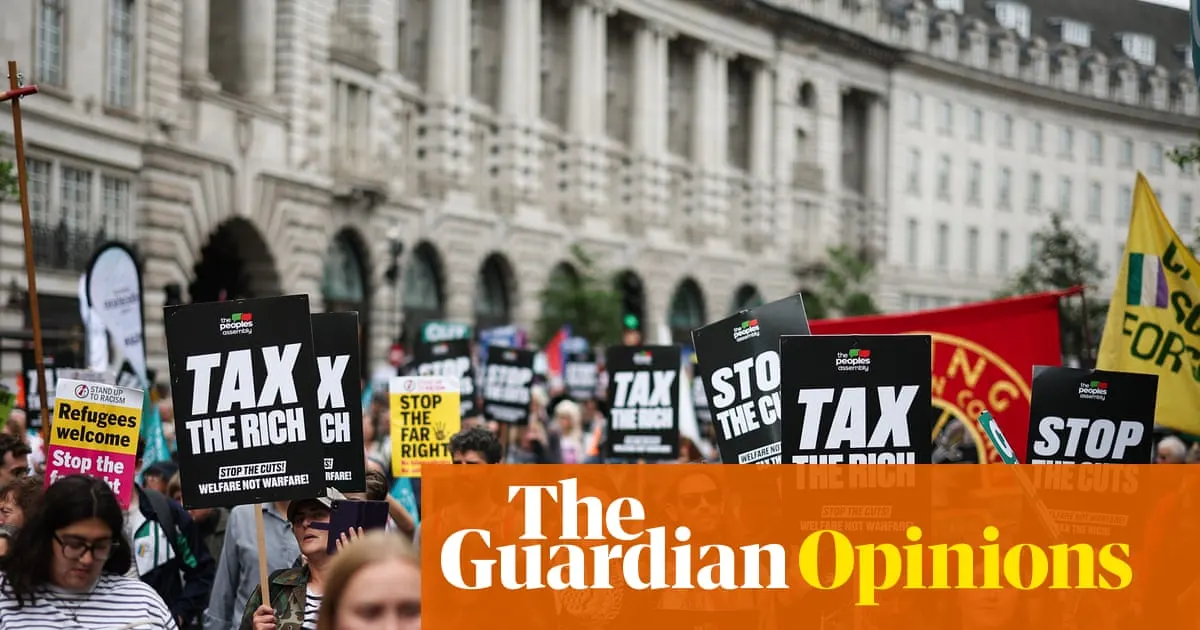
The article argues that Andy Burnham’s first budget may sidestep higher taxes on extreme wealth, despite broad public support for them. It says politicians’ reluctance reflects fear of media backlash, economic uncertainty, elite influence and concern about taking a position before party leaders do.
Tax Justice UK and University of Strathclyde researchers interviewed 30 politicians from Westminster, Holyrood and the Senedd between February and July 2026. The article cites polling that found three in five Reform leaning voters support a wealth tax, and says the UK’s 50 richest families hold more wealth than half the population. It also argues that misleading claims about wealth taxes and wealthy people leaving the UK weaken MPs’ confidence.
In short
- Public support for taxing the super rich crosses party lines.
- Researchers identify fear and elite influence as barriers.
- Burnham’s first budget may avoid a wealth tax.
Steelman: both sides, in good faith
The strongest fair case each way — we don't pick a winner.
The case for
Supporters argue that taxing extreme wealth could help fund public services and address a concentration of assets that far exceeds most people’s means. They point to polling suggesting support extends across political groups, including Reform-leaning voters, and say fears of mass departures or economic harm may be overstated or shaped by misleading claims.
The case against
Sceptics argue that a wealth tax could prompt wealthy people or investment to leave, reduce incentives to build businesses, and raise less revenue than intended, particularly amid economic uncertainty. They may also see MPs’ caution as prudent until a workable design and evidence of its effects are clear, rather than simply a failure to follow public opinion.
Explained simply
Wealth taxes are taxes on the assets people own, such as property, shares and savings, rather than just on their income. Proposals vary in who would pay and how wealth would be valued, so the term can refer to different policies.
The debate involves politicians in Westminster, Scotland and Wales, as well as researchers, campaigners and people with substantial wealth. A budget sets out a government’s tax and spending plans, and proposals for new taxes can become politically contentious.
Supporters argue that taxing large fortunes could raise money and reduce inequality; critics raise concerns about the effects on investment and whether wealthy people might move abroad. Public opinion, economic conditions and political leadership can all shape whether such proposals are considered.
Americas Business Elections Politics World
Read the full article at the source →
Originally published by The Guardian as “Why won’t MPs tax the rich? We asked them – and their answers gave us hope | Faiza Shaheen”.