NASA’s Oldest Martian Spacecraft Have Been Running for Decades. Here’s How
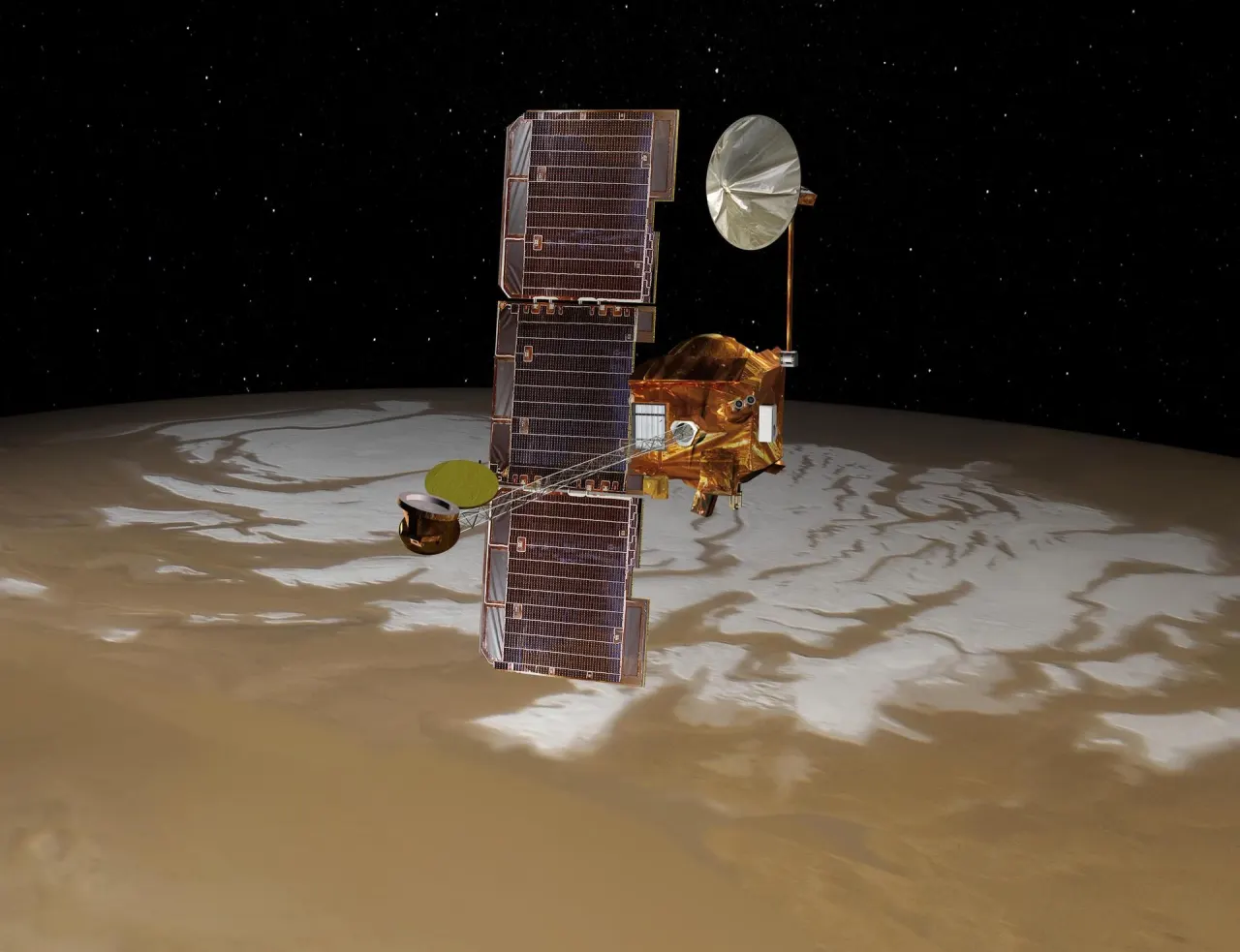
NASA’s Mars Odyssey and Mars Reconnaissance Orbiter (MRO) have operated for decades, far beyond their planned lifetimes, transforming scientists’ understanding of water and change on Mars. Their observations also support NASA’s rover missions by relaying communications to Earth, making the ageing orbiters important to both research and exploration.
Their longevity has required resilient engineering, repairs and workarounds in a harsh environment where spacecraft can be difficult to contact. MRO needed an updated star map after some stars shifted from their recorded positions, while Odyssey faces uncertainty over how much orientation fuel remains. The missions were designed with lessons from two failed Mars missions in 1999 in mind, and their teams continue to manage risks including radiation and possible failures of essential systems.
In short
- Odyssey and MRO have worked at Mars for decades.
- Their data reshaped understanding of Martian water and surface change.
- Engineers are managing ageing systems and uncertain fuel supplies.
Explained simply
Mars Odyssey and the Mars Reconnaissance Orbiter circle Mars, studying its surface and atmosphere from above. Their instruments have helped scientists investigate where water may once have existed and how the planet changes over time.
The orbiters also act as links between NASA’s rovers on the surface and teams on Earth, passing messages and data back and forth. That means they support both scientific research and the day-to-day operation of missions exploring Mars.
Spacecraft far from Earth must work with limited chances for repair, and their systems can wear down or become less reliable over time. These missions were built with extra safeguards after two NASA Mars missions failed in 1999, and engineers continue to monitor and manage risks such as radiation and dwindling fuel.