World news and discussion on TalkFuse.
Scotland’s recycling rates fall to lowest level in five years
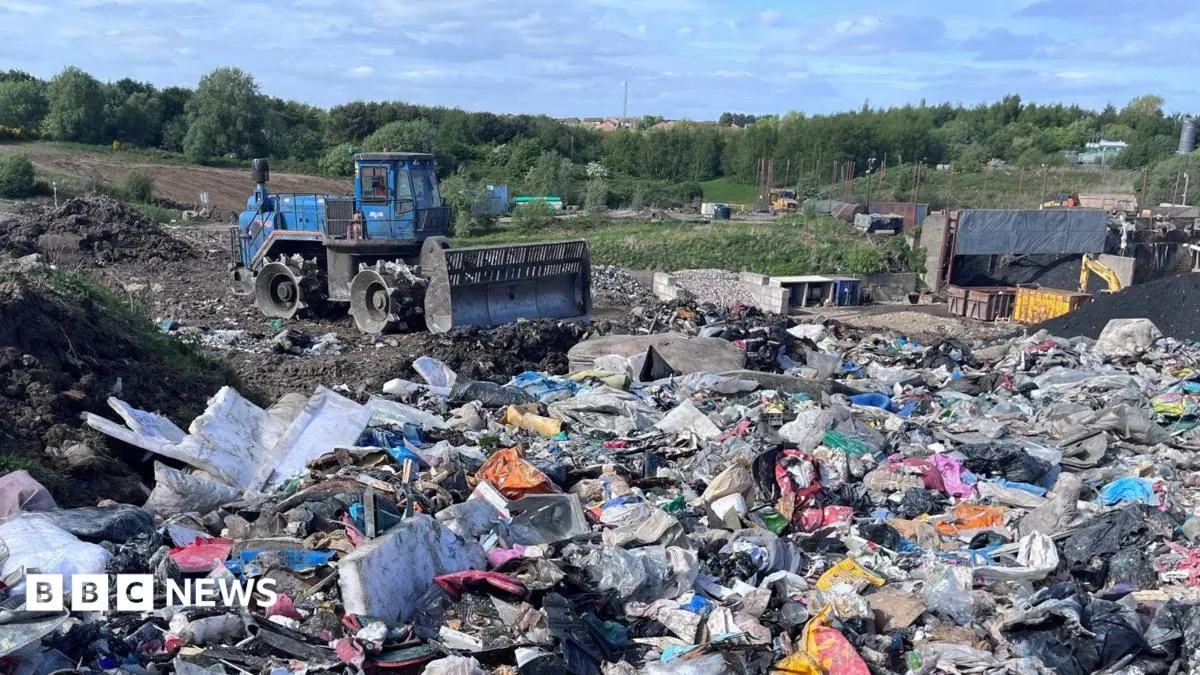
Scotland’s household recycling rate fell to 42.8% in 2025, its lowest level in five years, according to the Scottish Environment Protection Agency. The figure is well below the Scottish government’s target of 70% for 2025, renewing concerns about how the country manages waste as landfill space runs short.
Households produced 2.31 million tonnes of waste, only 1,500 tonnes less than the previous year, and recycling has stayed near 45% for more than a decade. Rates varied widely: South Ayrshire recycled 55% of its waste, Glasgow 26% and Orkney 18.2%; meanwhile, landfill use fell by 10% and incineration remained broadly unchanged. Experts point to inconsistent council collections and delays to a deposit return scheme, while more than half of black-bin waste may be recyclable; a landfill ban due at the start of 2025 has effectively been delayed until 2028.
In short
- Scotland’s recycling rate fell to 42.8%, its lowest in five years.
- The 2025 target was 70%, but recycling has stalled around 45%.
- Local rates ranged from 55% in South Ayrshire to 18.2% in Orkney.
Steelman: both sides, in good faith
The strongest fair case each way — we don't pick a winner.
The case for
Scotland should strengthen recycling policy and make it easier for households to sort and return materials, because the rate has stagnated far below the 70% target while landfill capacity is running short. More consistent council collections, clearer guidance and progress on the deposit return scheme could recover recyclable material currently going into black bins and reduce reliance on disposal.
The case against
The figures point to practical limits as well as policy shortcomings: councils differ in their collection systems, and households need services that are reliable and convenient before stronger expectations can deliver results. Delaying the landfill ban may also give councils and businesses time to prepare for workable alternatives, avoiding rushed changes that could raise costs or shift waste into incineration without improving overall outcomes.
Explained simply
Household waste in Scotland is collected by local councils, which decide how residents separate items such as paper, food and packaging for recycling. The Scottish Environment Protection Agency measures how much household waste is recycled, while the Scottish government sets national targets.
Scotland’s councils have different collection systems and results, and recycling levels have remained around the mid-40s for years. The figures matter because waste that is not recycled may be sent to landfill or burned, and Scotland has limited space for landfill. A planned deposit return scheme and a ban on some landfill waste have both faced delays.
Americas Business Environment Markets Science UK World