Reynolds backs tariff cuts set to save households 40p a week
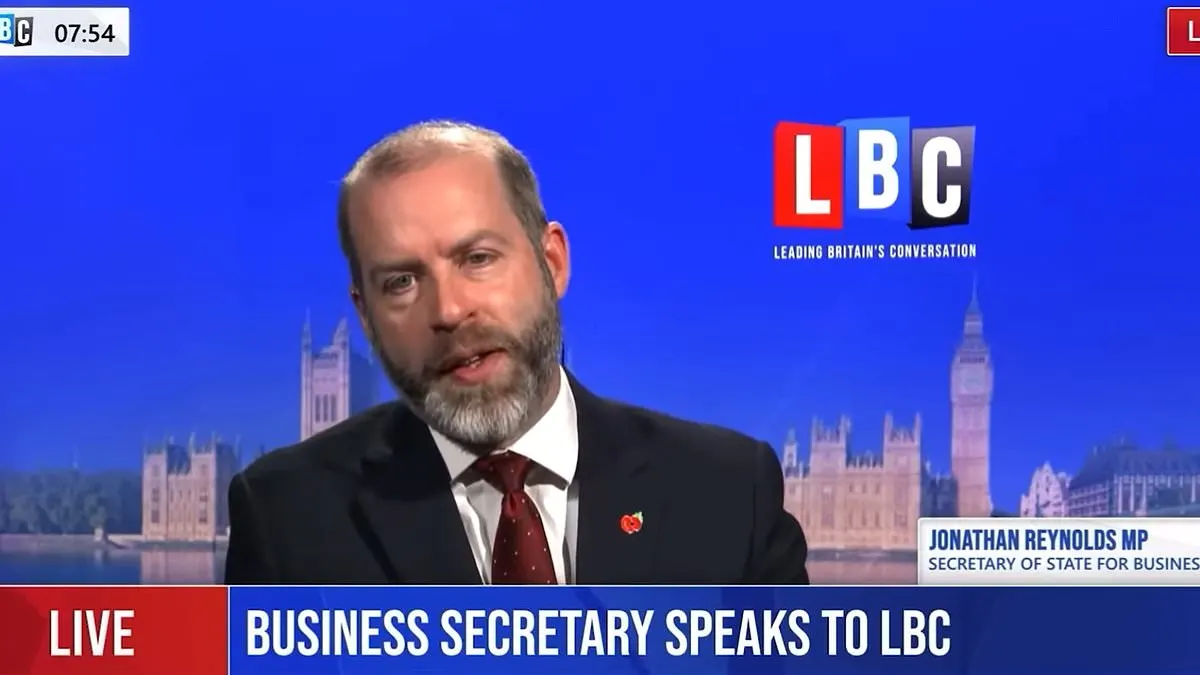
Business Secretary Jonathan Reynolds defended planned cuts to import tariffs on everyday goods, including beans, chocolate and gherkins, as part of the Government’s cost of living measures. The proposals drew criticism from Conservatives, who said the savings would be tiny compared with pressures from rising energy bills, inflation and taxes.
The changes are expected to save households about 40p a week. Other measures include extending two weeks of parental pay worth nearly £400 to 150,000 more fathers or partners, helping farmers with fertiliser costs and maintaining mileage tax relief at 55p per mile for the first 10,000 miles, with the rate above that rising from 25p to 35p.
In short
- Tariff cuts on everyday foods are expected to save about 40p a week.
- The Government also announced expanded parental pay and other support.
- Conservatives say the measures fall short as household costs rise.
Steelman: both sides, in good faith
The strongest fair case each way — we don't pick a winner.
The case for
Cutting tariffs on everyday imports can modestly reduce costs for households and businesses, while making goods more affordable and easing pressure on prices. Even if the average saving is small, it forms part of a broader package that also extends parental pay and supports farmers and workers; supporters may argue that incremental help is worthwhile during a cost of living squeeze.
The case against
An average saving of about 40p a week is unlikely to make a meaningful difference to household budgets facing higher energy bills, inflation and taxes. Critics may argue that presenting small tariff cuts as cost of living relief risks overstating their impact, and that government effort should focus on measures capable of delivering more substantial support.
Explained simply
Import tariffs are taxes charged on some goods brought into the UK from abroad. They can add to the cost of imported food and other products, although the final price also depends on costs such as transport, production and what shops charge.
Jonathan Reynolds is the Government’s Business Secretary, with responsibility for business and trade policy. The proposed tariff changes sit alongside other measures affecting family pay, farming costs and work travel.
The debate is about how much these policies may ease household costs. The Conservatives argue that the tariff savings would be small compared with pressures such as energy bills, inflation and taxes.
Read the full article at the source →
Originally published by Daily Mail as “Cabinet minister defends ‘insulting’ cuts to tariffs on beans, chocolate and gherkins… that will save just 40p a week”.