COREY BROOKS: Chicago schools are failing kids at the one skill that can change their lives
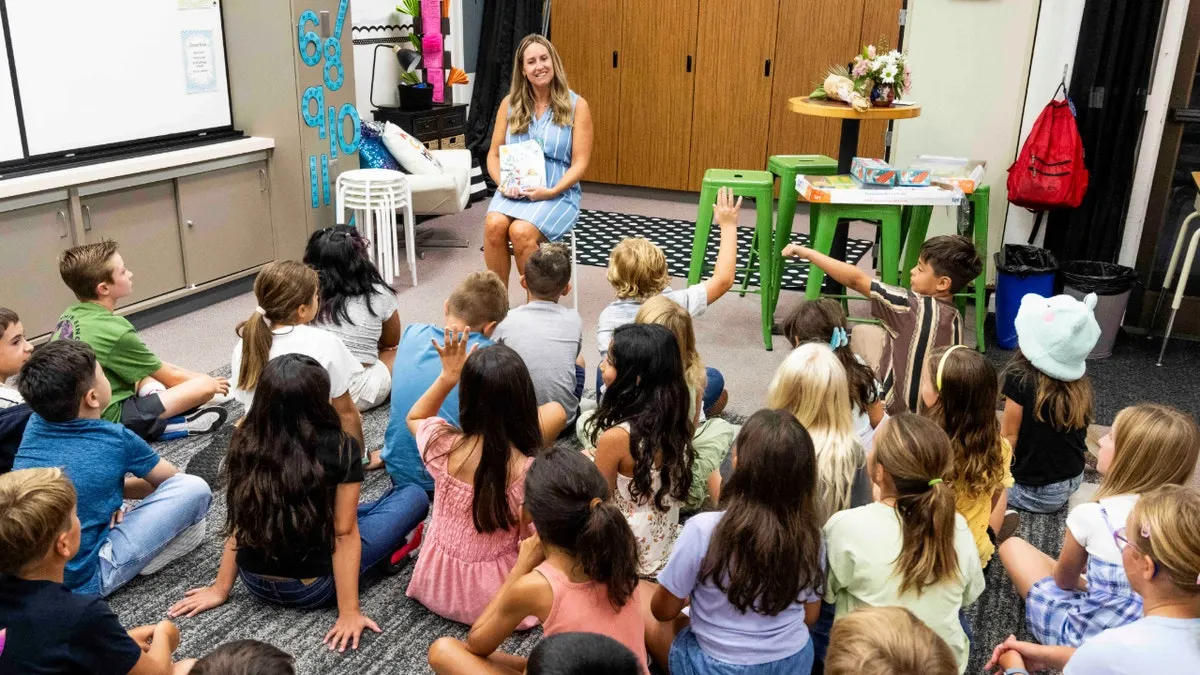
Chicago fourth graders scored poorly in reading in the 2024 National Assessment of Educational Progress, according to an opinion article by Corey Brooks, who argues that the city’s schools and families are failing children by neglecting literacy. He says reading is essential to education, employment and independence, and that the issue deserves greater attention.
The article reports that 23% of Chicago fourth graders were proficient or higher, while 53% scored below basic; proficiency rose to 27% by eighth grade. Brooks says children who cannot read proficiently by the end of third grade are four times more likely to miss graduating on time, and points to phonics-based instruction and regular reading at home as ways to build skills. The supplied article text ends mid-sentence as Brooks begins assigning responsibility to parents.
In short
- Chicago reading proficiency was 23% among fourth graders in 2024.
- The author argues literacy is vital to opportunity and independence.
- He advocates phonics and reading practice at home.
Steelman: both sides, in good faith
The strongest fair case each way — we don't pick a winner.
The case for
Brooks’s strongest case is that weak reading skills can sharply limit children’s later learning, employment and independence, so Chicago’s low scores call for urgent attention. He argues that schools should use effective, explicit reading instruction, including phonics, while families make regular reading a priority at home; early action could help prevent difficulties from compounding.
The case against
A thoughtful countercase is that the scores identify a serious problem but do not, by themselves, establish that schools and families are neglecting literacy or explain why pupils are struggling. Reading outcomes are shaped by wider conditions as well as instruction and home routines, so assigning responsibility chiefly to educators and parents risks overlooking barriers and the need for targeted support.
Explained simply
The National Assessment of Educational Progress is a US test that measures what pupils know in subjects including reading. Corey Brooks’s opinion article focuses on Chicago pupils’ reading skills and argues that literacy is important for learning, work and everyday independence.
Chicago’s public schools serve children across the city, while families also shape how often children read and practise. Brooks points to phonics, which teaches how letters relate to sounds, and reading at home as ways to support literacy.
Reading levels matter because they can affect how easily pupils follow lessons and progress through school. The article cites research linking difficulty reading by the end of third grade with a greater chance of not graduating on time.