Pakistan’s top court upholds Christian man’s death sentence for blasphemy
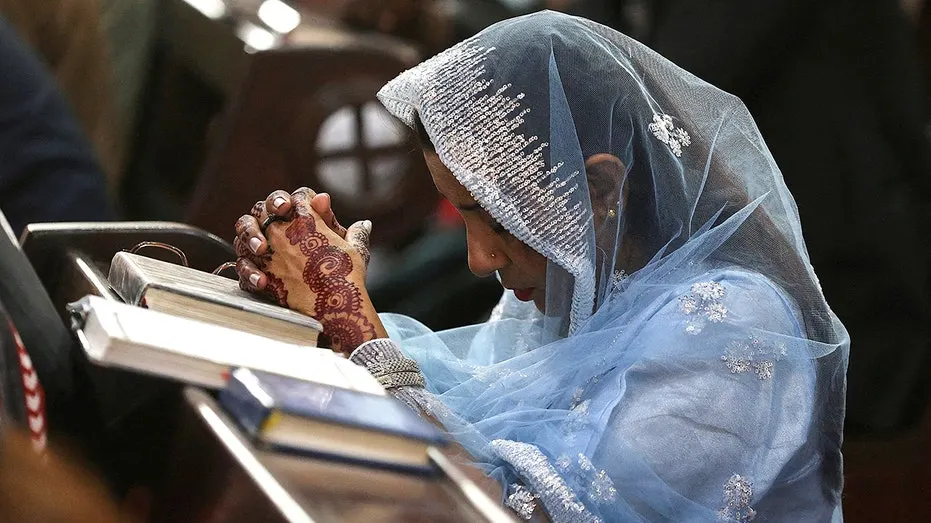
Pakistan’s Supreme Court has upheld Qaisar Ayub’s conviction and death sentence for blasphemy, while acquitting his brother Amoon after about 10 years in prison. The ruling has drawn criticism from rights advocates, who say it could affect other people facing blasphemy charges and raise concerns about religious freedom and Pakistan’s international reputation.
The brothers were arrested in 2014 and 2015 over content on a WordPress site, but their legal representatives say evidence linking them to the site was never presented. Both were sentenced to death in 2018, and Qaisar’s case reached the Supreme Court after years of appeals and 13 postponed hearings. His lawyers plan to seek a review and ask Pakistan’s government to consider a presidential pardon; the US State Department said it was concerned about religious freedom in Pakistan.
In short
- Pakistan’s Supreme Court upheld Qaisar Ayub’s death sentence.
- His brother Amoon was acquitted after about 10 years in prison.
- Lawyers plan to seek a review and request a presidential pardon.
Steelman: both sides, in good faith
The strongest fair case each way — we don't pick a winner.
The case for
Those defending the ruling could argue that courts must apply the law passed by Pakistan’s legislature and protect religious communities from deliberate, serious offences. They may see the Supreme Court’s acquittal of Amoon as evidence that it assessed the brothers’ cases separately, while Qaisar’s conviction was upheld after years of appeals.
The case against
Critics could argue that a death sentence is indefensible where, as the defence says, evidence connecting the accused to the website was not presented, and that prolonged proceedings and repeated delays compound the risk of injustice. They may also contend that enforcing blasphemy laws in this way threatens religious freedom, chills expression and damages confidence in Pakistan’s justice system and international standing.