Entertainment news and discussion on TalkFuse.
Square Enix vets say devs of the future will need to ‘master the use of AI’, but the human touch will still be vital
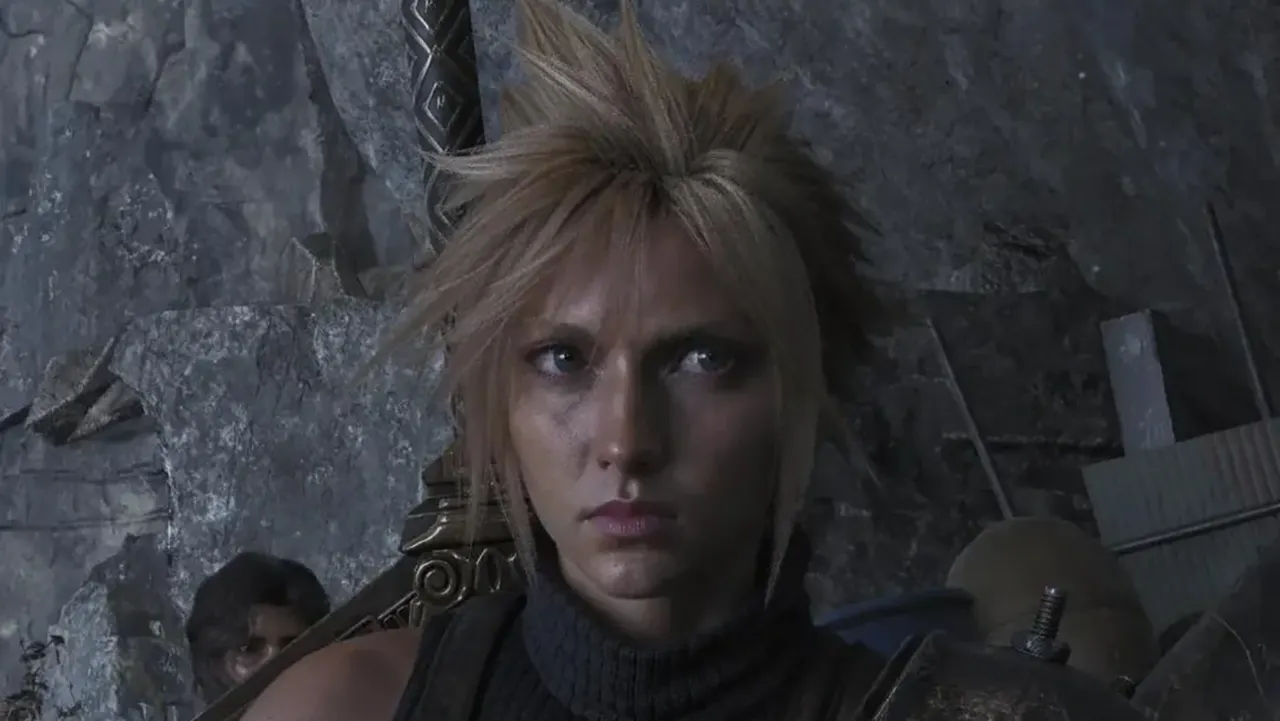
Veteran Square Enix developers Hiromichi Tanaka and Yoshinori Kitase say future game makers will need to learn how to use AI and other new tools. Their comments reflect a relatively positive view of the technology in Japan, while stressing that human creativity must remain central to making original games.
Kitase says major studios may need to rethink their development methods as accessible tools make game creation easier for people with limited experience. He argues that humans must still supply the initial creative idea, and Tanaka expects the industry to become a competition of ideas. The article also notes risks for independent developers, including games being copied and original work being crowded out by AI-generated content.
In short
- Square Enix veterans expect AI to shape future game development.
- They say human creativity must remain central.
- Easier tools may also increase copying and competition.
Steelman: both sides, in good faith
The strongest fair case each way — we don't pick a winner.
The case for
AI tools could make game development more accessible, helping newcomers and small teams turn ideas into playable work and giving established studios new ways to improve their methods. Learning to use them may become an important professional skill, while human creativity can still guide the original concepts and decisions that make games distinctive.
The case against
Wider use of AI could make it harder for independent developers to protect original work and stand out if copied or AI-generated games crowd the market. If studios rely too heavily on automated tools, human judgement and creative craft could lose influence, weakening the distinctiveness that players value.
Explained simply
Square Enix is a Japanese company that makes video games, including long-running series such as Final Fantasy. Hiromichi Tanaka and Yoshinori Kitase are veteran developers whose experience spans decades of changes in how games are made.
AI tools can help people create game art, writing and other material, and are becoming easier for newcomers to use. This could change how large studios organise their work and make it easier for more people to develop games.
The debate matters because easier production may bring more games into the market, while also making it harder for independent creators to protect original work or be noticed. The central question is how studios can use new tools while keeping human ideas and creative choices at the heart of a game.