EUAN McCOLM: The louder Holyrood’s egotists trumpet their virtue, the faster we should all count our spoons…
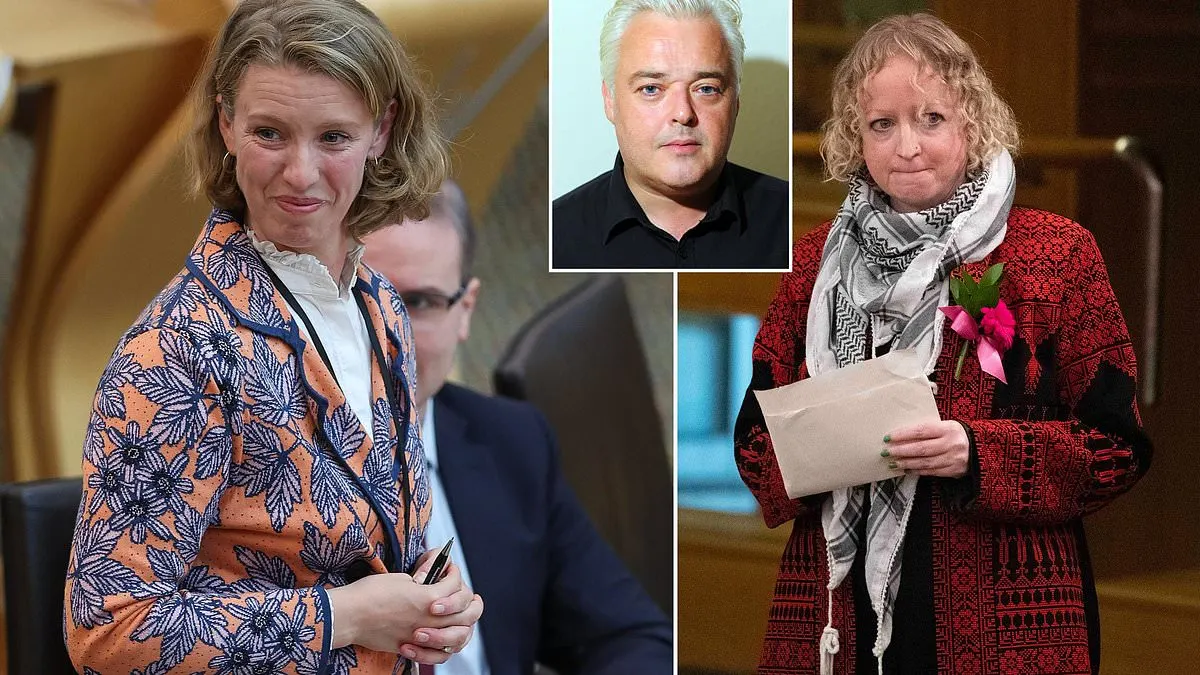
The article argues that some Scottish politicians use public money for projects that appear to promote their personal image, while claiming the moral high ground. It focuses on Scottish Green MSP Kate Nevens’s decision to hire a migrant justice officer, arguing that immigration policy is reserved to the UK Parliament and that the spending is therefore misplaced.
It also criticises SNP finance minister Hannah Mary Goodlad’s plan to appoint an artist-in-residence at public expense, and recalls Nevens’s proposal to abolish prisons. The writer says Holyrood MSPs should prioritise matters within their remit and calls for stronger accountability over public spending, pointing to the end of councillors’ personal liability for reckless expenditure in 2000. The article presents these as opinion and does not include a response from the MSPs.
In short
- The writer questions MSPs’ use of public funds.
- Kate Nevens’s migrant justice officer costs £30,000.
- The article calls for stronger accountability over spending.
Steelman: both sides, in good faith
The strongest fair case each way — we don't pick a winner.
The case for
Supporters of these appointments could argue that devolved governments and legislatures have a legitimate role in examining how reserved UK policies affect people in Scotland, and that specialist staff can inform scrutiny, support affected communities and develop policy within Holyrood’s powers. An artist-in-residence may also contribute to public engagement and cultural life, while proposals such as prison abolition can be defended as attempts to address harm and consider alternatives to incarceration. Public spending should be accountable, but not every initiative beyond a narrow reading of core statutory duties is necessarily wasteful or self-serving.
The case against
Critics could argue that public money is limited and should be directed towards clear public needs and responsibilities, rather than roles or projects whose practical value is uncertain or whose remit appears to overlap with reserved matters. When politically prominent initiatives risk serving as vehicles for personal image or ideological signalling, taxpayers are entitled to ask for evidence of benefits, costs and accountability. Elected representatives should also focus on powers they can exercise and explain how discretionary spending advances outcomes for the public.
Explained simply
Holyrood is the Scottish Parliament, whose elected members decide on many issues affecting Scotland, including parts of public spending and justice. Some powers, such as immigration policy, remain with the UK Parliament in Westminster, so responsibility is split between the two governments.
The article concerns how MSPs use public money for initiatives linked to their political priorities or public profile. It names Scottish Green MSP Kate Nevens and SNP finance minister Hannah Mary Goodlad, and questions whether the projects described fall within Holyrood’s responsibilities or offer sufficient public value.
The debate matters because taxpayers fund parliamentary decisions, and voters expect elected representatives to explain how that money is spent. The article also raises the wider question of what checks should apply when public funds are used.