Former NWSL player says league culture pressured athletes to support political messages they opposed
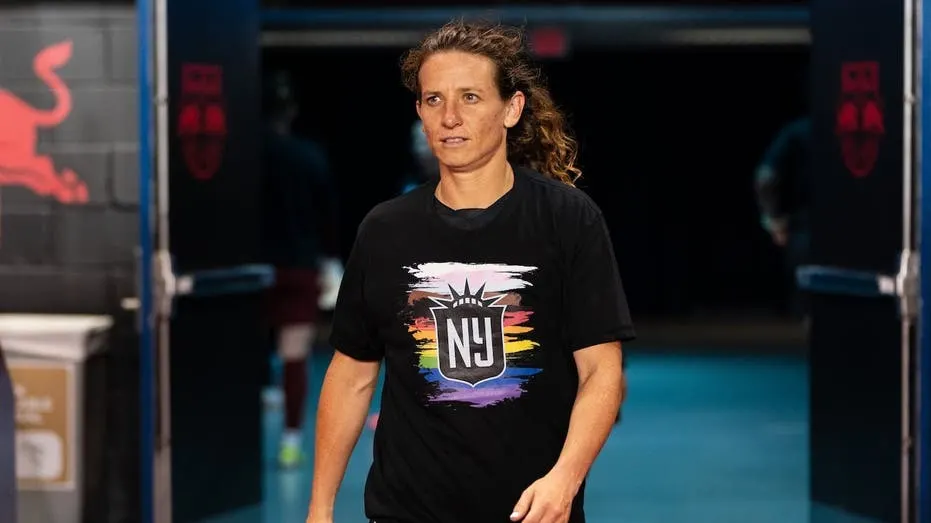
Former NWSL player Elizabeth Eddy says the league’s team culture sometimes made athletes feel pressured to publicly support political or social causes, even when they disagreed. She says players could face difficult choices over wearing campaign shirts, concealing them or explaining their refusal, and that the experience left little room for dissent.
Eddy retired in March after an 11-year career with five NWSL teams, most recently Angel City FC from 2023 to 2025. She cited the club’s 2025 “Immigrant City Football Club” campaign and shirts she recalled supporting transgender people, while saying she was unsure whether wearing them was mandatory. Her comments describe perceived social pressure and differing team responses, rather than a specific punishment for refusing a shirt.
In short
- Elizabeth Eddy says players felt pressure to support causes publicly.
- She described little room for differing views in team settings.
- She was unsure whether campaign shirts were ever required.
Steelman: both sides, in good faith
The strongest fair case each way — we don't pick a winner.
The case for
Supporters of visible campaigns argue that clubs and leagues have a legitimate role in standing with communities affected by discrimination, and that players may reasonably see team apparel as solidarity rather than a test of personal belief. Shared public messages can help make inclusion tangible and signal that vulnerable people are welcome in sport; a player’s sense of pressure may arise from team norms even without a formal requirement or penalty.
The case against
Critics argue that a team’s public stance can become coercive when players feel they must wear campaign clothing or explain why they will not, especially when the cause is not one they personally support. Professional athletes should be able to dissent without risking their standing or being treated as disloyal, and clubs can support inclusion while making clear that participation in specific political messaging is voluntary.
Explained simply
The National Women’s Soccer League (NWSL) is the top professional women’s football league in the United States. Its clubs and players sometimes take part in campaigns about social or political issues, which can include messages on team clothing.
Elizabeth Eddy is a former NWSL player who spent 11 years with five teams, including Angel City FC. Her account raises questions about how team culture and public campaigns can affect players who hold different views, and how much freedom they feel they have to express disagreement.
The issue matters because players represent both themselves and their clubs in public. Understanding the difference between a formal requirement and pressure felt within a team is central to assessing claims about how such campaigns are handled.