Danny Masterson Loses Appeal of Rape Conviction
Developing story first seen 3 hours ago
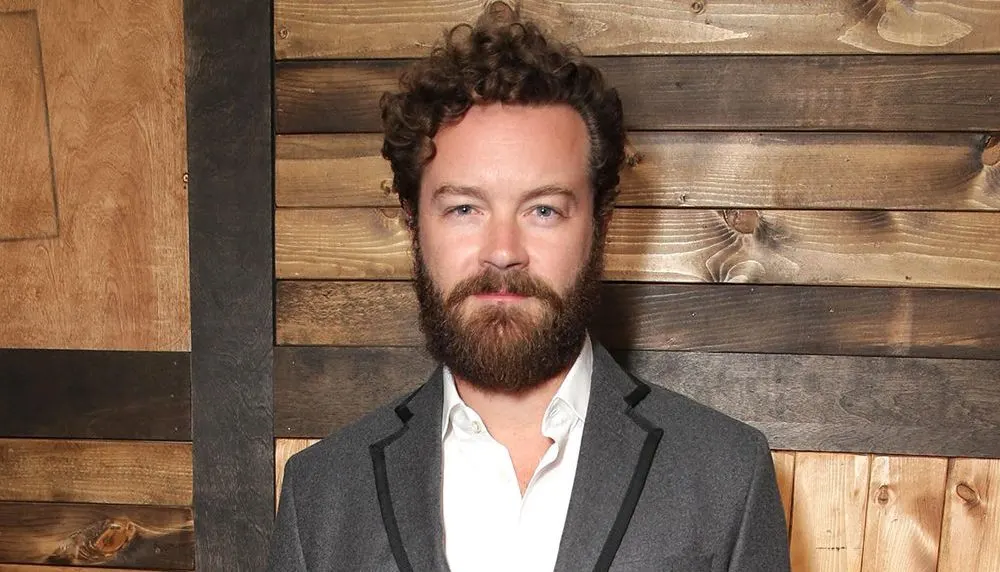
A California appeals court has upheld Danny Masterson’s rape convictions and 30-year prison sentence, rejecting his challenges to the trial. The ruling leaves in place his 2023 conviction for raping two women at his Hollywood Hills home in 2003.
The three-judge panel rejected claims that the trial judge was biased against Scientology and that testimony about the faith violated Masterson’s First Amendment rights. It also dismissed arguments about evidence and the statute of limitations, and denied a separate petition alleging he had an inadequate defence. His lawyers say they will appeal to the California Supreme Court and pursue another habeas petition.
- Sources
- 2
- Outlets
- 2
- Left · Centre · Right
- 0 · 0 · 0
In short
- Masterson’s convictions and 30-year sentence remain in place.
- Appeals judges rejected his challenges to the trial.
- His lawyers plan to appeal to California’s top court.
How this story developed
- 1 hour ago A three-judge appeals court upheld Danny Masterson’s 2023 rape convictions and 30-year prison sentence, rejecting his challenges to the trial.
- 1 hour ago A California appeals court has upheld Danny Masterson’s rape convictions and 30-year prison sentence, rejecting his challenges to the trial. The ruling leaves in place his 2023 conviction for raping two women at his Hollywood Hills home in 2003.
Full account
Danny Masterson has lost his appeal against his conviction for raping two women, with a California appellate court upholding both the verdict and his 30-year prison sentence. The ruling leaves him ineligible for parole until 2042. Masterson, known for his role in That ’70s Show, was convicted in 2023 of two rapes at his Hollywood Hills home in 2003. A jury did not reach a verdict on a third allegation concerning a former girlfriend and an incident said to have occurred in 2001.
The three-judge panel rejected his argument that the trial judge, Charlaine Olmedo, had shown bias against Scientology and that evidence about the church improperly infringed his religious rights. The prosecution had used testimony about Scientology’s practices to explain why the women, who belonged to the church at the time and later left, said they delayed reporting the assaults. They testified that they feared consequences, including expulsion from the church and separation from their families. The appeal court said jurors were not asked to decide whether Scientology’s beliefs were true, and found that the evidence had been admitted for relevant purposes.
The panel also dismissed challenges concerning the statute of limitations and trial evidence. It separately denied a habeas corpus petition arguing that Masterson had not received an adequate defence. His lawyers say they will seek review by the California Supreme Court and pursue a further habeas petition, which they say will rely on exculpatory evidence not presented to the jury. Masterson’s appeal lawyers maintain that he was wrongly convicted.
The reports describe the ruling in similar terms but give different weight to its context. One focuses on the appeal court’s rejection of the arguments and its finding that the judge showed no hostility towards Scientology. The other provides more detail about evidence concerning civil claims and a settlement, and notes that the allegations involved two trials. It also reports the church’s lack of response to a request for comment; the first report does not mention that. Neither report says the conviction can no longer be challenged, as Masterson’s lawyers intend to pursue further legal routes.
Where outlets differ
From the full account, which is AI-written from the sources:
Source 1 says the panel rejected each of Masterson’s arguments and quotes its assessment that the judge showed no animus or departure from neutrality towards Scientology. Source 2 gives more detail about evidence relating to civil proceedings and a settlement, and says the appeal concerned the judge’s conduct across two trials.
Source 1 reports a separate habeas petition was summarily denied and says the lawyers will pursue another. Source 2 adds that the lawyers describe the proposed petition as based on exculpatory evidence not put before the jury.
Source 2 says the Church of Scientology did not respond to a request for comment; Source 1 does not address a response from the church.
Steelman: both sides, in good faith
The strongest fair case each way — we don't pick a winner.
The case for
Upholding the convictions can be defended on the grounds that an appeals court reviewed the trial and found no legal error serious enough to overturn the jury’s verdict. The panel rejected claims of bias, improper church-related testimony and other trial defects, while leaving the jury’s findings on the two convictions intact.
The case against
A good-faith case for further review is that a conviction carrying a 30-year sentence warrants close scrutiny of whether the trial was fair and the evidence was handled properly. Masterson’s lawyers argue that issues involving the defence, testimony about Scientology and other trial rulings merit review by the California Supreme Court or through a further habeas petition.
Explained simply
Danny Masterson is an American actor best known for the sitcom That ’70s Show. He is also a member of the Church of Scientology, a religious movement founded in the 1950s.
The convictions concern two women who said Masterson raped them at his home in 2003. The case drew attention to how courts handle sexual assault allegations, including evidence about a defendant’s religious community and the fairness of a criminal trial.