Simple exercise done just once a week could help lower blood pressure
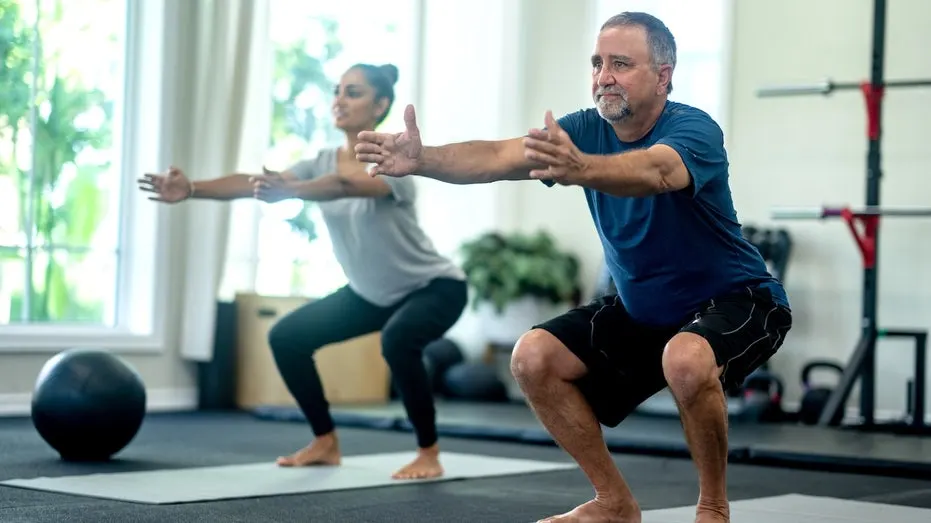
A study of 100 inactive adults found that four weeks of wall squats lowered resting blood pressure, and that some of the improvement remained when participants exercised once or twice a week. The findings suggest this simple, at-home exercise may offer heart-health benefits without daily training.
Participants completed four two-minute wall-squat sessions, with rests in between, three times a week. Their systolic pressure fell by an average of about 9.5 points; those who stopped exercising saw readings return to baseline within four weeks. The study was small and short, and its results may not apply to people with diagnosed hypertension or other health limitations.
In short
- Four weeks of wall squats lowered participants’ blood pressure.
- Weekly sessions helped preserve some of the improvement.
- Longer studies are needed to confirm lasting effects.
Steelman: both sides, in good faith
The strongest fair case each way — we don't pick a winner.
The case for
The findings suggest that a brief, accessible exercise routine could help some inactive adults lower their blood pressure, with benefits partly persisting even when they exercise less often. If confirmed in larger, longer studies, this could offer a practical way to support heart health without requiring daily training.
The case against
The study involved only 100 people over a short period, so it cannot show whether the improvement lasts or applies to people with diagnosed high blood pressure or health limitations. The return to baseline among participants who stopped also suggests that occasional exercise may not reliably sustain the benefit, and the results should not be treated as a substitute for established care.
Explained simply
Blood pressure is the force of blood pushing against the walls of the arteries. It is recorded as two numbers: systolic pressure, when the heart beats, and diastolic pressure, between beats. Persistently high readings can increase the risk of heart and circulation problems.
Wall squats are done by leaning against a wall and lowering into a seated position, then holding it. They use the leg muscles without requiring equipment, though people with health conditions or movement difficulties may need tailored advice before exercising. A small, short study of inactive adults found lower resting blood pressure after several weeks of regular wall squats, but the results may not apply to everyone.