US alerts Gulf allies to possible Iran strikes after midterms
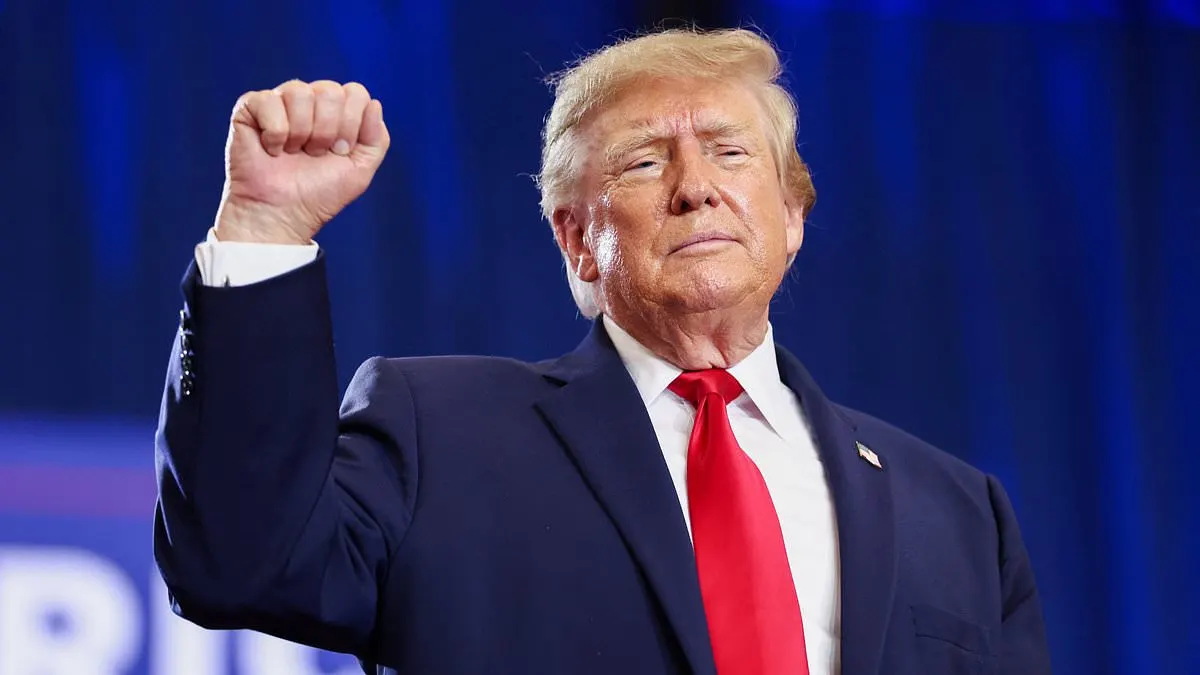
The US has warned Gulf allies to prepare for the possibility of a brief, intense new round of strikes against Iran after the 3 November midterm elections. President Donald Trump said at a Texas rally that the war would end “whenever I want it to be over”, but sources cited in the article say he has not authorised further attacks.
US forces are preparing aircraft and munitions, another carrier group is being sent to the region, and air defences are being strengthened; diplomats have also been asked to leave some embassies. The reported plans could target Iranian nuclear sites and other infrastructure. The conflict is also hurting Republicans’ midterm prospects as fuel costs rise: the article puts average US petrol at $4.27 a gallon and diesel at $6.35.
In short
- Gulf allies were warned of possible strikes after the midterms.
- Trump says he has not set an end date for the war.
- Rising fuel prices are weighing on Republican campaign prospects.
Steelman: both sides, in good faith
The strongest fair case each way — we don't pick a winner.
The case for
A brief, forceful strike could be defended as a way to deter further Iranian threats and protect US personnel and Gulf allies, especially if diplomacy and defensive measures have not stopped the danger. Supporters might argue that preparing credible military options strengthens deterrence and gives Iran reason to negotiate, while limiting any operation’s duration and scope could reduce the risk of a prolonged war.
The case against
A new attack could kill civilians, damage essential infrastructure and trigger retaliation across the region, putting US forces and Gulf allies at greater risk. Critics might argue that military escalation could make diplomacy harder, raise energy costs and deepen the conflict without reliably reducing Iran’s capabilities; the reported preparations also do not establish that an attack has been authorised or that it would achieve its aims.
Explained simply
Iran and the United States have a long-running dispute over Iran’s nuclear programme and its regional influence. The US has forces and allies across the Gulf, the stretch of sea between Iran and the Arabian Peninsula, and has previously used military action against Iranian targets.
President Donald Trump leads the US, while Iran’s government and armed forces would be central to any response. Gulf countries host US bases and could be affected by fighting, while higher energy costs can have wider effects, including on American households and politics.
The dispute matters because strikes and retaliation could put people and infrastructure across the region at risk and disrupt energy supplies. The midterm elections determine control of seats in the US Congress, which can shape the president’s domestic agenda.
Americas Elections Government Middle East Politics World
Read the full article at the source →
Originally published by Daily Mail as “US warns Gulf allies of possible strikes against Iran after midterm elections as president declares at Texas rally the war will end ‘whenever i want it to be over’”.