Healey’s Budget set to ignore the squeezed middle: Chancellor confirms gas standing charges will be axed next year – but Martin Lewis says four-in-10 face paying more
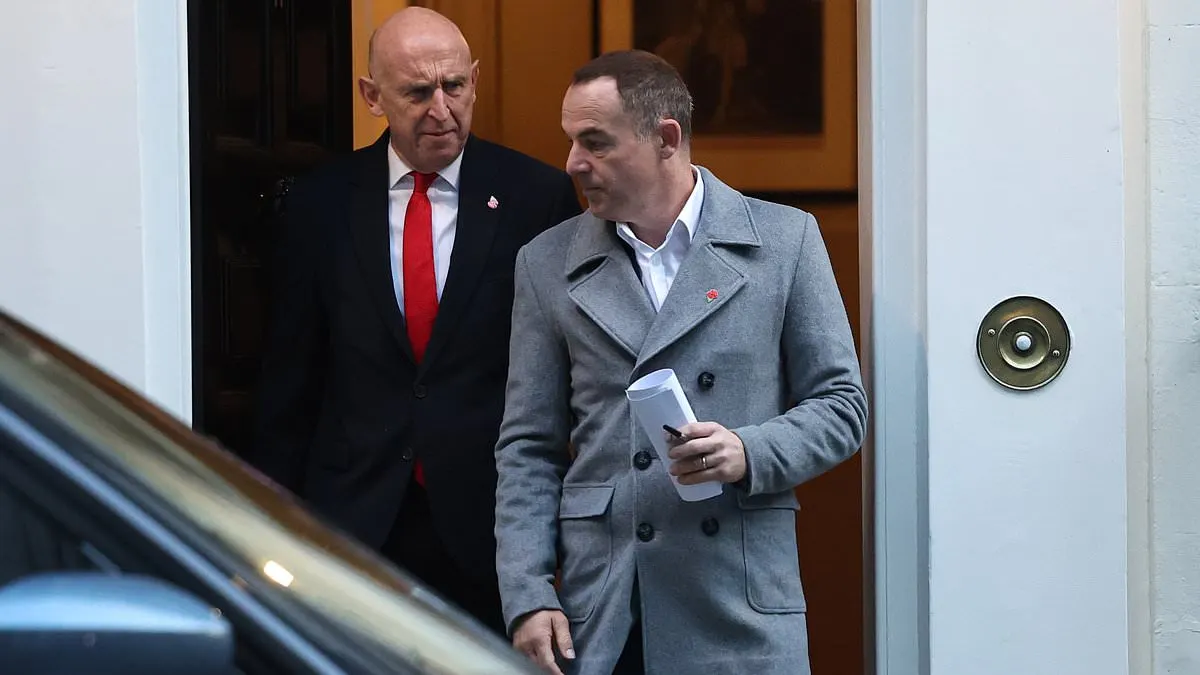
The Chancellor has confirmed that gas standing charges will be removed next year, as part of planned action on energy bills. But Martin Lewis warns the change could leave four in ten households paying more, raising questions about how support will reach people in the squeezed middle.
Other measures under consideration include funding bill support through a levy on banks, removing green levies from bills and changing how gas and electricity prices are linked. The Budget is also expected to drop a planned fuel duty rise and retain the £20,000 annual cash ISA allowance; the minimum wage is due to rise by 3.9 per cent from April.
In short
- Gas standing charges are due to end next year.
- Martin Lewis says four in ten households could pay more.
- The Budget may also change energy levies and fuel duty.
Steelman: both sides, in good faith
The strongest fair case each way — we don't pick a winner.
The case for
Removing gas standing charges could ease a fixed cost that households pay regardless of how much gas they use, while shifting more of the bill towards consumption. Broader measures such as bank-funded support or moving some green costs off bills could also reduce energy costs for households and make help less dependent on income-linked schemes.
The case against
If standing charges are replaced by higher unit rates, households that use little gas could pay more overall, as Martin Lewis warns; the impact would depend on how the change is designed and on each household’s usage. Critics could also argue that funding support through bank levies or shifting green costs elsewhere may transfer costs rather than remove them, leaving the squeezed middle without reliable relief.
Explained simply
Energy bills usually include standing charges: a daily fee for being connected to the gas network, separate from the gas a household uses. Removing them would change how costs are divided between fixed charges and the price paid for each unit of energy.
The Chancellor sets tax and spending plans in the Budget, while Martin Lewis is a consumer finance campaigner who comments on how policy changes affect households. The effect of changing standing charges can vary with energy use, so some households may gain while others pay more.
The wider debate is about how to ease bills and who should bear the cost, including whether support should come through taxes or changes to energy charges. These choices matter to household budgets and to the funding of energy and environmental policies.