Video games news, releases, esports and culture — all the biggest gaming stories in one place.
18 Years Later, The Definitive 2000s Gothic Cult Classic is Still a Divisive Guilty Pleasure
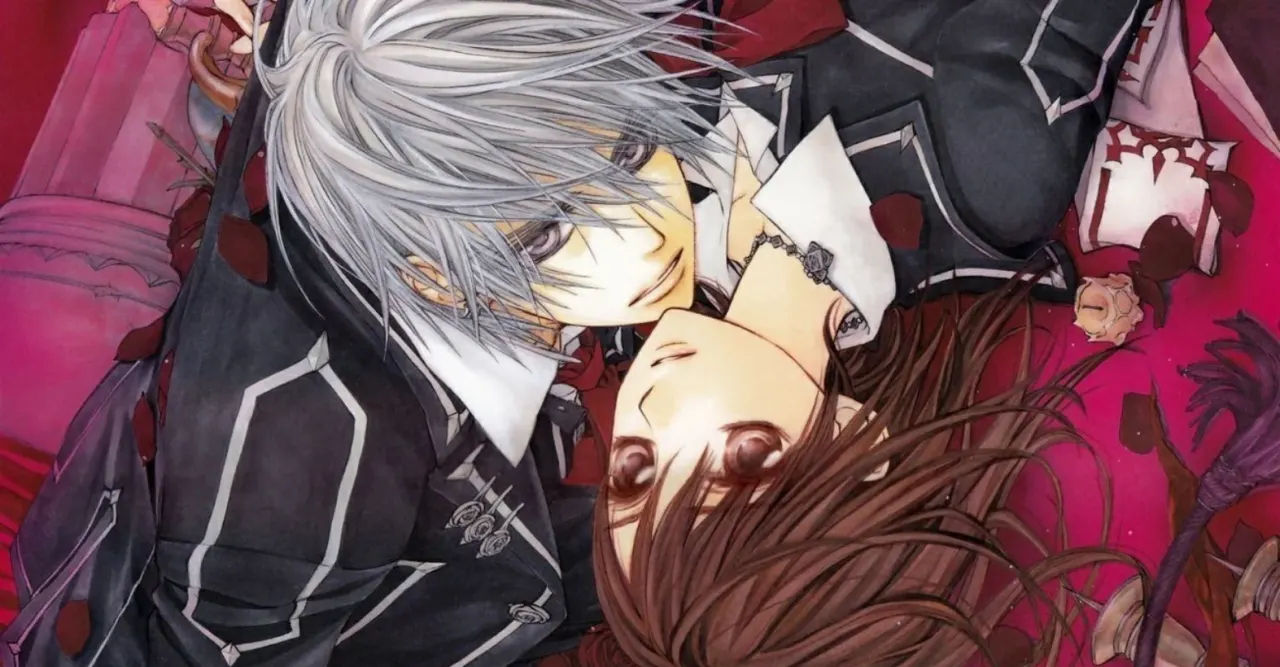
The 2008 anime *Vampire Knight*, based on Matsuri Hino’s manga, remains a divisive gothic romance about a vampire-human school and a troubled love triangle. Its melodramatic, often unsettling relationships explore identity, class, trauma and prejudice, making it both a guilty pleasure and a story with darker themes.
Yuki protects the human Day class and vampire Night class at Cross Academy alongside Zero, while struggling with repressed memories and her ties to Pureblood vampire Kaname. The article highlights the series’ treatment of bloodlust as both violent and intimate, its unequal vampire hierarchy and the loss of bodily autonomy through manipulation. It argues that the series’ disturbing elements connect to gothic horror’s long-standing interest in taboo and obsessive love.
In short
- *Vampire Knight* blends gothic romance with supernatural school drama.
- Its love triangle is deliberately troubling and controversial.
- The story also examines hierarchy, trauma and bodily autonomy.
Steelman: both sides, in good faith
The strongest fair case each way — we don't pick a winner.
The case for
A thoughtful defence is that Vampire Knight uses heightened romance and gothic horror to examine power, trauma, prejudice and compromised autonomy, rather than presenting its relationships as simple ideals. Its melodrama and taboo intimacy can be part of the genre’s deliberate unease, giving viewers a compelling, emotionally intense story that invites discussion.
The case against
A thoughtful criticism is that the same melodrama and intimate treatment of bloodlust can blur the line between exploring harmful dynamics and romanticising them. Manipulation, unequal power and compromised consent may make the relationships uncomfortable to watch, while the story’s romantic framing can leave its darker themes feeling muddled rather than meaningfully examined.
Explained simply
Vampire Knight is a Japanese anime series first released in 2008, adapted from a manga by Matsuri Hino. It is set at Cross Academy, where human pupils attend during the day and vampires study at night, with Yuki Cross and Zero Kiryu helping keep the two groups apart.
Yuki’s past and her connection to Kaname, a powerful Pureblood vampire, shape a romance involving all three characters. The story also explores the divide between ordinary vampires and the more influential Purebloods, alongside questions of identity, trauma and control over one’s own body.
Its mix of romance and gothic horror has kept viewers debating the series. Bloodlust and obsessive relationships are central to its plot, giving it both melodramatic appeal and darker, unsettling themes.