Jeanette Winterson says human choices will shape AI’s impact
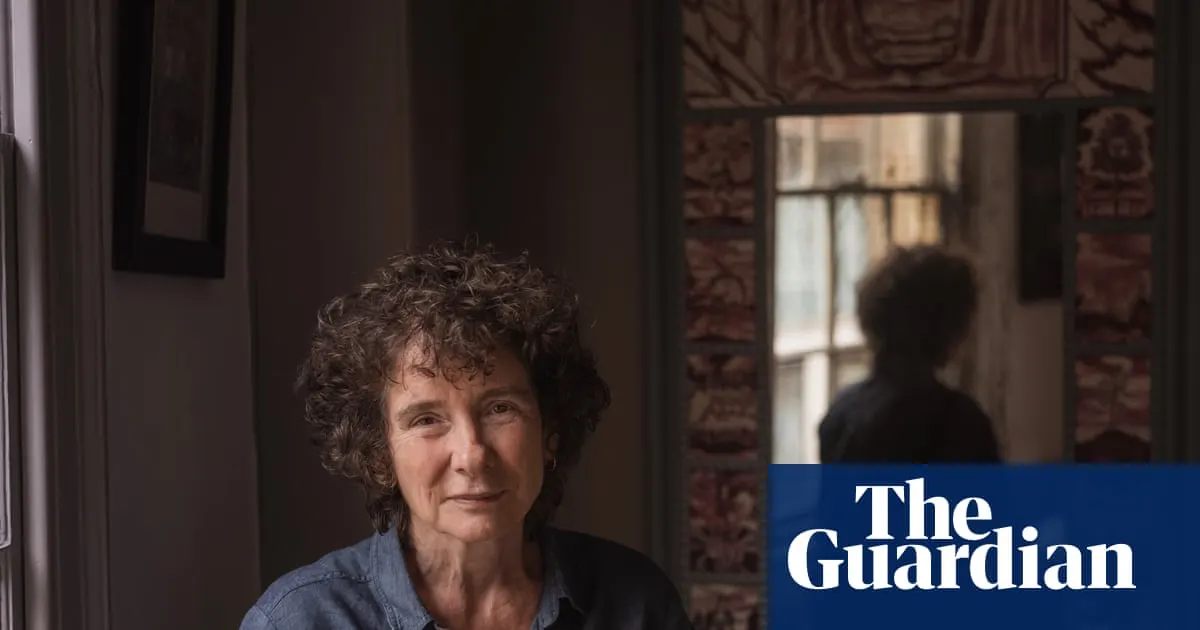
Jeanette Winterson argues that artificial intelligence marks a turning point for humanity, but its effects are not predetermined: people can choose to shape it towards a better future. She says AI should be understood as more than a tool, and that decisions about its use must draw on human feelings, imagination and knowledge of our history.
Winterson points to the Industrial Revolution as a warning: its gains were distributed unfairly, creating great wealth for some and hardship for many. She says AI could deepen inequality, leave regions without income and add pressure through the energy demands of data centres, but argues these outcomes depend on human choices. Her work has explored possible futures for years, including in her 2021 essay collection *12 Bytes*.
In short
- Winterson says AI’s future is not inevitable.
- She warns its gains could be distributed unfairly.
- Human choices will shape how AI affects society.
Steelman: both sides, in good faith
The strongest fair case each way — we don't pick a winner.
The case for
AI could be directed towards broad public benefit if people shape its development and use with care. Winterson’s emphasis on imagination, historical knowledge and human feeling reflects the view that choices about ownership, access and deployment can help distribute gains fairly and limit harms such as job losses and energy use.
The case against
The scale and pace of AI development may make it difficult for people to steer its effects, even when they want to. The Industrial Revolution suggests that technological gains can concentrate wealth and impose costs on workers and communities, while AI’s energy demands and economic disruption could deepen inequality despite good intentions.
Explained simply
Artificial intelligence (AI) refers to computer systems that can carry out tasks such as analysing information or producing text and images. Its growing use raises questions about who decides how these systems are developed and where their benefits go.
Jeanette Winterson is a British writer whose work has explored technology and possible futures, including in her 2021 book *12 Bytes*. Comparisons with the Industrial Revolution, when new machinery changed work and wealth unevenly, help explain why people debate whether AI might widen economic gaps.
AI also relies on data centres, which use energy to store and process information. How the technology affects jobs, communities and the environment will depend partly on choices made by governments, companies and the public.
AI Americas Business Culture Entertainment Markets Technology TV World
Read the full article at the source →
Originally published by The Guardian as “‘There is no inevitable dystopia’: Jeanette Winterson on AI and the future of humanity”.