Now Zelensky hits out at Labour’s ‘delay’ in ramping up defence spending as Chancellor prepares to kick decisions on meeting NATO targets until next autumn
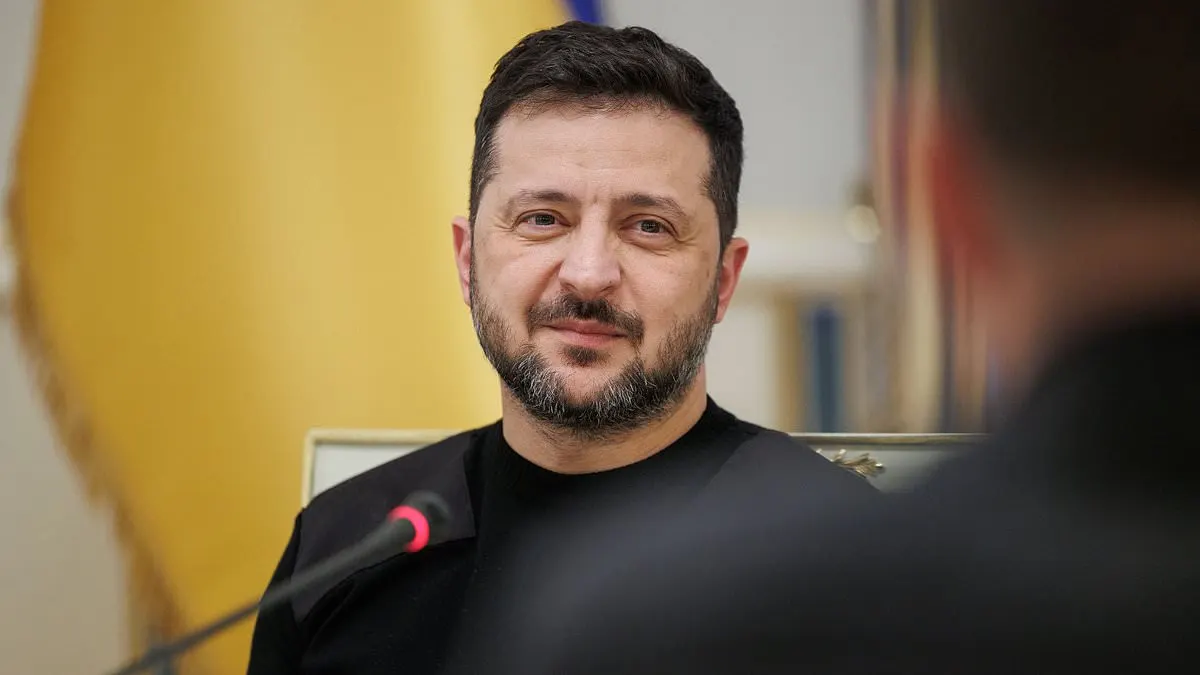
Volodymyr Zelensky has criticised the UK Government for delaying plans to increase defence spending, saying defence should be Chancellor John Healey’s top priority given the threat from Russia. His comments come as Healey prepares his first Budget, but the Government is not expected to explain how it will meet NATO spending goals until next autumn.
The Budget is reportedly expected to provide an initial boost towards spending 3 per cent of GDP on defence by 2030, partly through investment in defence companies via the National Wealth Fund and British Business Bank. The longer-term aim is 3.5 per cent of GDP by 2035; using borrowing for the investment could draw criticism from those who favour cuts elsewhere. Zelensky also called for stronger European military and air defences and urged allies to speak more directly to Donald Trump about his approach to Russia and Ukraine.
In short
- Zelensky urges the UK to prioritise defence spending.
- Plans to meet NATO targets are expected next autumn.
- He also calls for stronger European defences.
Steelman: both sides, in good faith
The strongest fair case each way — we don't pick a winner.
The case for
With Russia’s war against Ukraine continuing, the UK should set out a credible timetable for higher defence spending and strengthen its military capacity. Delaying decisions risks leaving the armed forces and European allies less prepared, while investment in defence firms could support both security and domestic industry.
The case against
A government must weigh security needs against public finances and other urgent demands on taxpayers, so committing to a steep spending rise before setting out its costs may be imprudent. Phasing decisions through the next Budget cycle could allow ministers to assess priorities and funding options, while borrowing for defence investment could add to debt or constrain other spending.
Explained simply
NATO is a military alliance whose members agree to support one another if attacked. It sets defence-spending goals as a share of each country’s economy, but each government decides how to fund its armed forces and when to increase spending.
The UK Government includes the Prime Minister and Chancellor, who sets out tax and spending plans in the Budget. The National Wealth Fund and British Business Bank can support businesses, including firms in the defence industry, while decisions on public investment and borrowing affect how that support is paid for.
Ukraine, led by President Volodymyr Zelensky, has been fighting Russia since its full-scale invasion in 2022. The UK’s defence plans matter to NATO allies weighing their military readiness and support for Ukraine, as well as to UK taxpayers and businesses affected by spending choices.
Geopolitics Government Politics World