Russell Brand Forcefully Denies Charges As He Gives Evidence During Rape Trial
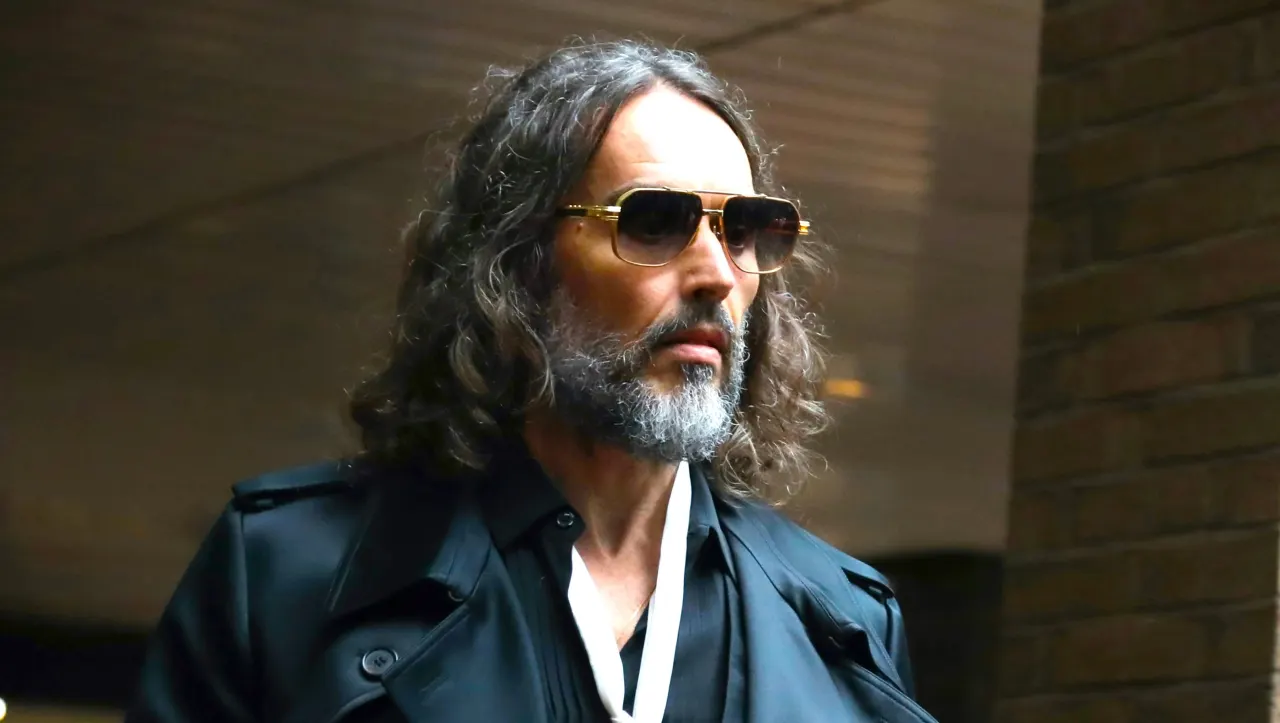
Russell Brand has denied all the rape charges against him while giving evidence at Southwark Crown Court in London. He told the jury that consent is fundamental, as he disputed two complainants’ accounts of alleged assaults; the allegations and his denials are being considered in court.
One complainant alleges Brand raped her after they went to her hotel room in 1999; Brand said they had consensual sex. Another alleges he forced her to perform oral sex in a bar toilet; Brand denied this and described consensual kissing and touching. The six complainants have a lifelong right to anonymity. Brand also told the court that, after the allegations were publicised in 2023, he was prevented from visiting his son during open-heart surgery.
In short
- Russell Brand denied all rape charges while giving evidence in London.
- He disputed two complainants’ accounts of alleged assaults.
- The six complainants have a lifelong right to anonymity.
Steelman: both sides, in good faith
The strongest fair case each way — we don't pick a winner.
The case for
The prosecution’s case is that the complainants’ accounts describe serious sexual assaults, and that the jury should assess their evidence alongside the other material presented at trial. Their anonymity protects their privacy and may help people report sexual offences, while the allegations remain matters for the court to determine.
The case against
Brand denies the charges and says the encounters described by two complainants were consensual or did not happen as alleged. A fair trial requires the jury to test the evidence carefully and presume him innocent unless the prosecution proves the charges beyond reasonable doubt; public accusations alone do not establish guilt.
Explained simply
Russell Brand is a British comedian and actor who later became known as a public commentator. In 2023, allegations of sexual offences by several women were publicised; Brand has denied wrongdoing.
The case is being heard by a jury at Southwark Crown Court in London. Six women are complainants, and the law gives them lifelong anonymity; the jury must assess the evidence before reaching a verdict.
The trial concerns whether the alleged offences took place and whether the accounts are supported by the evidence. The charges are serious, and the court’s findings will determine whether Brand is criminally responsible.