Cheesecake Factory among list of popular eateries in America’s priciest neighborhoods
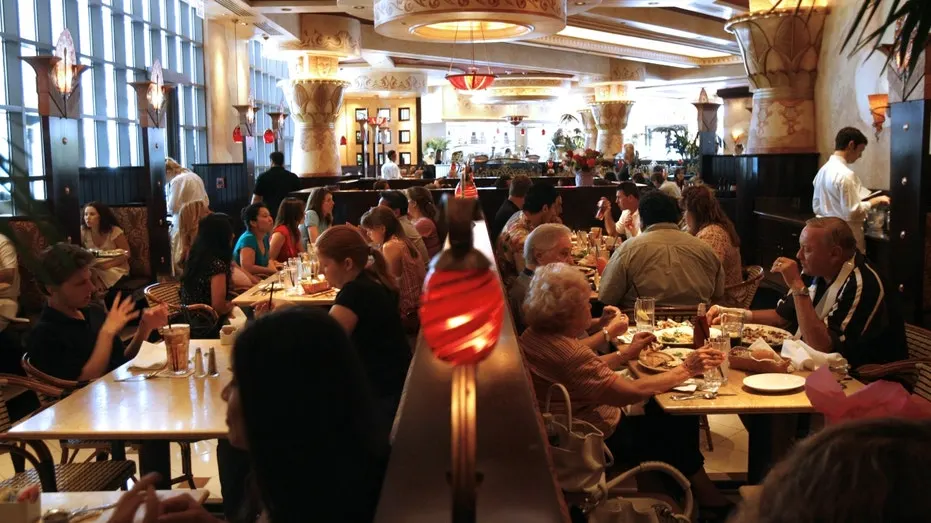
An analysis found that several popular restaurant chains tend to be located near neighbourhoods with higher home values. The Cheesecake Factory ranked third, with nearby homes worth about 27% more than those in comparable areas, adding context to debate about whether the chain is an everyday dining spot.
The analysis used Overture Maps, Zillow and Census Bureau data, comparing areas with similar population density in the same region. Cava ranked first, at 39% higher home values, followed by Shake Shack at 38%; P.F. Chang’s ranked fourth at 26%. The article says The Cheesecake Factory has about 250 restaurants worldwide, with many locations in upscale malls.
In short
- The Cheesecake Factory ranked third for nearby home values.
- Homes near its restaurants were worth about 27% more.
- Cava and Shake Shack ranked first and second.
Steelman: both sides, in good faith
The strongest fair case each way — we don't pick a winner.
The case for
The analysis offers evidence that The Cheesecake Factory is often found near affluent neighbourhoods, which supports the view that it is better understood as an occasion or higher-end dining option than an everyday restaurant. Its presence in upscale malls and the higher home values around its locations are consistent with that interpretation.
The case against
Nearby home values do not establish a restaurant’s prices, clientele or role in people’s lives, and the comparison describes locations rather than individual customers. The chain’s broad footprint and familiar menu can still make it an everyday choice for many diners, even when some branches sit near expensive homes.
Explained simply
The Cheesecake Factory is an American restaurant chain known for a large menu and locations in shopping centres. It has about 250 restaurants worldwide, many in upscale malls. Other chains mentioned include Cava, Shake Shack and P.F. Chang’s.
Home values can help describe the areas around restaurants, but they do not show what a meal costs or who can afford to eat there. In this analysis, researchers compared neighbourhoods with similar population density in the same region, using mapping, property and census data. The results offer one way to consider where these chains are located and how that relates to debate about whether they are everyday dining spots.
Celebrity Culture Cybersecurity Entertainment Food Technology World