Pianist Stephen Kovacevich dies aged 86, remembered for daring performances
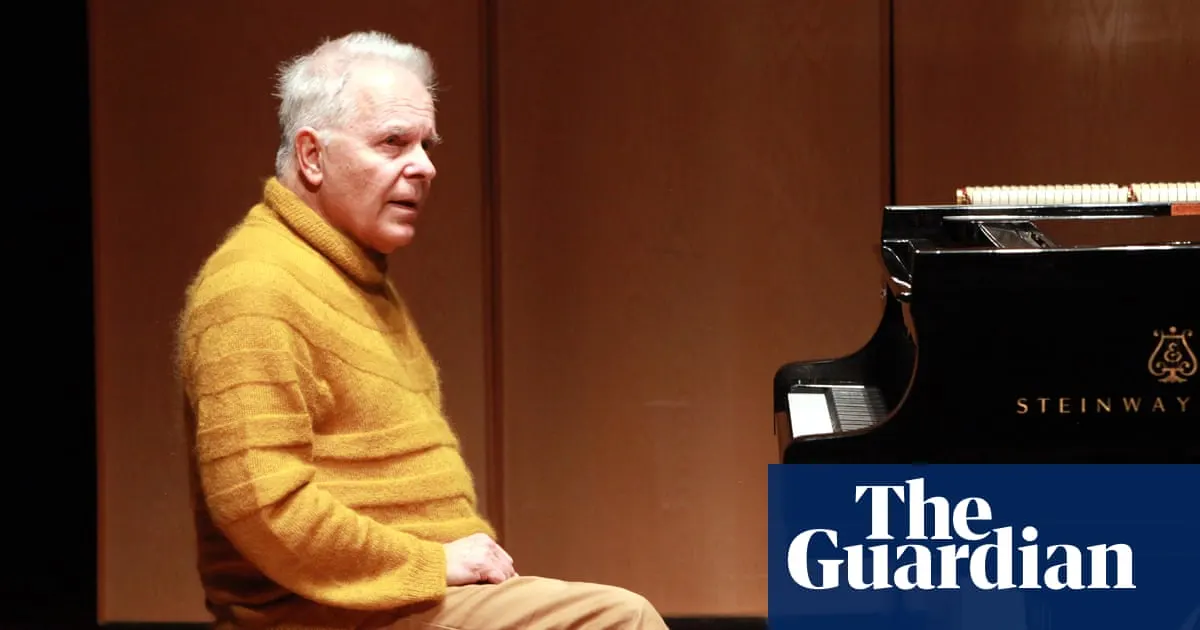
Pianist Stephen Kovacevich has died aged 86. The tribute remembers a performer whose playing combined beauty and clarity with a willingness to take musical risks, seeking the most powerful and vulnerable point in a piece. His approach made performances feel immediate and precarious, and challenged what he saw as a lack of danger in classical music.
Kovacevich spoke candidly about performances that fell short, while celebrating later successes after recovering from a severe stroke in his late 60s and contending with nerves. His recordings with conductor Colin Davis ranged from Bartók to Mozart, and his Schubert and Rachmaninov performances in his final decade were praised for their intimacy. The tribute singles out his Beethoven sonatas for capturing the struggle of reaching for the music’s limits.
In short
- Stephen Kovacevich has died aged 86.
- His playing was praised for its intensity and risk-taking.
- He returned to performing after a severe stroke.
Explained simply
Stephen Kovacevich was an American-born pianist who made his career performing and recording classical music. Pianists interpret works written for the piano, from solo pieces to concertos played with an orchestra.
His repertoire included composers such as Beethoven, Schubert, Mozart and Bartók, whose music spans different periods and styles. Beethoven’s piano sonatas are among the best-known works for solo piano, and performers often make choices about how to balance their force, detail and emotional range.
Kovacevich also performed concertos with orchestras and conductors, including Colin Davis. His recordings and performances helped bring these works to listeners, while his candid comments about the uncertainty of performing offered a glimpse of the demands of a career on stage.
Read the full article at the source →
Originally published by The Guardian as “Stephen Kovacevich – a pianist who risked oblivion to know what it’s like out on the edge”.