Culture news and discussion on TalkFuse.
The midterm legal fight is already here
Developed over time first seen 2 weeks ago
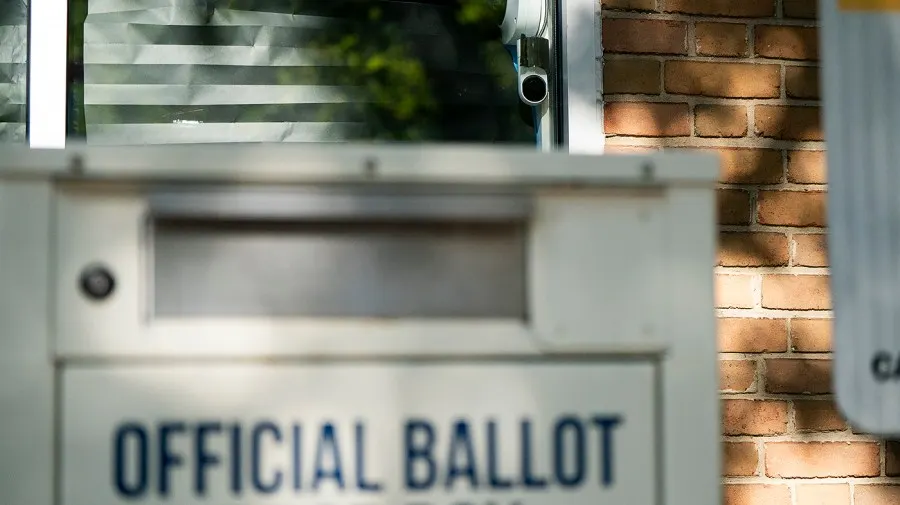
The legal battle over the 2026 US midterm elections began before polling day, with the Trump administration bringing cases in California and Alaska over how votes should be handled. In California, the Justice Department asked officials to set aside postal ballots linked to more than 20,000 registered voters it described as likely non-citizens while their eligibility was checked. California disputed the request. In Alaska, the department sought to delay certification of the Senate result if Republican incumbent Dan S. Sullivan lost, arguing that votes for another candidate, Dan J. Sullivan, might reflect confusion between the two men.
Courts rejected the administration’s immediate requests before the 3 November election. A federal appeals court refused to require California to separate the disputed ballots, and the US Supreme Court declined an emergency application. A federal judge dismissed the Alaska case on 1 November; the government appealed. The rulings left the states’ existing election procedures in place for polling day, while the wider disputes over voter eligibility, ballot handling and federal authority remained live.
- Sources
- 3
- Outlets
- 3
- Left · Centre · Right
- 0 · 1 · 0
In short
- Federal election lawsuits were under way before polling day.
- Courts rejected immediate requests concerning California ballots and Alaska’s Senate result.
- The cases raised questions about voter eligibility and federal power over state elections.
How this story developed
- 2 weeks ago The legal battle over the 2026 US midterm elections began before polling day, with the Trump administration bringing cases in California and Alaska over how votes should be handled.
- The Hill The midterm legal fight is already here
- US Department of Justice United States Sues California After Determining More Than 20,000 Likely Noncitizens Are Registered to Vote in the Golden State
- American Civil Liberties Union United States v. Alaska
Steelman: both sides, in good faith
The strongest fair case each way — we don't pick a winner.
The case for
The administration can argue that election officials have a duty to verify eligibility and protect voters’ choices, and that asking courts to resolve disputed procedures before ballots are counted helps prevent avoidable errors. It may also contend that federal scrutiny is warranted where state practices could affect the integrity or clarity of a federal election.
The case against
California and Alaska can argue that setting aside eligible voters’ ballots or delaying certification on speculative grounds risks disenfranchising voters and undermining confidence in lawful results. They may also maintain that states have established procedures for administering elections, and that federal intervention requires concrete evidence and a sound legal basis.
Explained simply
US midterm elections take place halfway through a president’s four-year term. Voters choose members of Congress, including all 435 seats in the House of Representatives and roughly a third of the Senate, as well as state and local officials. States run their own elections under federal law, while the Justice Department can bring legal cases about how those rules are applied.
The disputes involve California’s handling of postal ballots and Alaska’s process for certifying a Senate result where two candidates have the same surname. The Trump administration argued that ballots linked to some voters’ citizenship status should be checked and that voters might confuse the two Dan Sullivans; state officials contested the requests. The cases raise questions about how far federal officials can influence state election procedures and how courts resolve disputes before results are final.
Coverage · 3 sources
Americas Art Culture Elections Government Politics World