Kemi says Britain about to collapse under the weight of welfare after Chancellor refuses to cut handouts in Budget
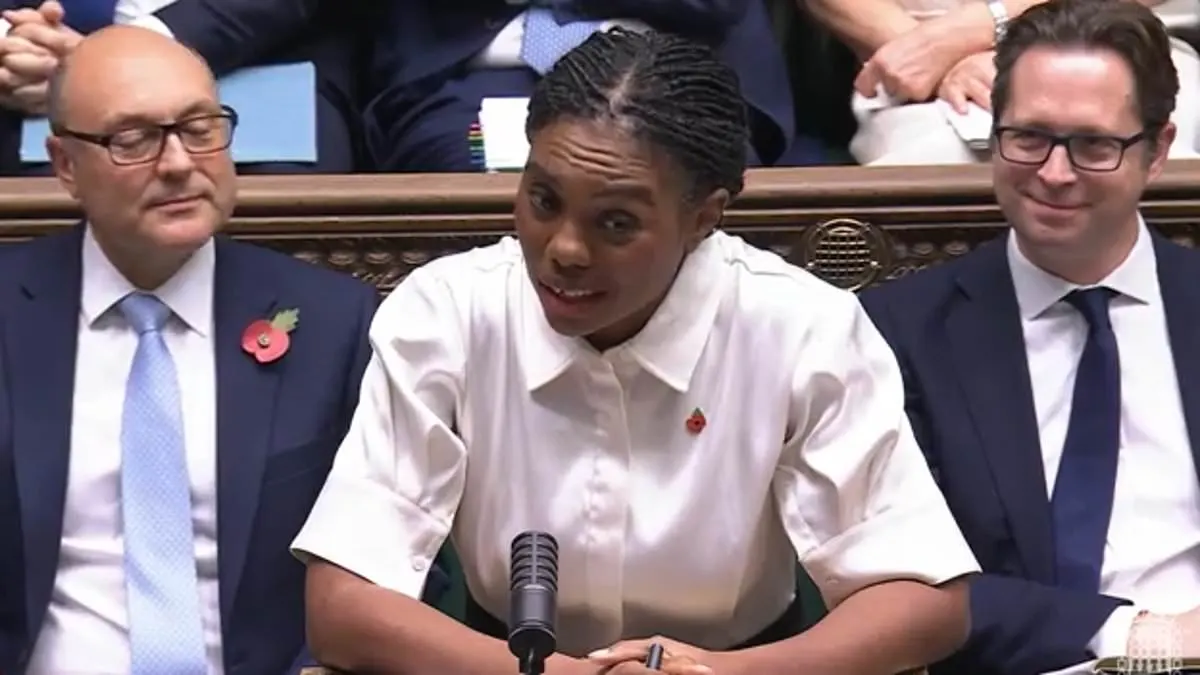
Kemi Badenoch accused the Government of leaving Britain at risk from rising welfare costs after Chancellor John Healey declined to cut benefits in the Budget. Labour says it will reduce the bill through reforms, while arguing that the economy faces global pressures and households and businesses need support.
The Office for Budget Responsibility forecasts welfare spending will rise by £19 billion, or 5.7 per cent, to £353 billion this year, then reach £431 billion by 2031-32. The Budget sets aside £5.5 billion to increase benefits for 10 million people by 3.5 per cent, and £2.6 billion for energy support, including £100 for around 20 million households. The watchdog lowered its 2027 growth forecast from 1.6 per cent to 1.0 per cent, though it raised its 2026 forecast to 1.2 per cent.
In short
- Badenoch warns rising welfare costs threaten Britain’s finances.
- Welfare spending is forecast to reach £431 billion by 2031-32.
- Benefits will rise by 3.5 per cent for 10 million people.
Steelman: both sides, in good faith
The strongest fair case each way — we don't pick a winner.
The case for
Critics argue that projected welfare spending of £431 billion by 2031-32 is a serious fiscal risk, especially with weaker growth limiting the tax revenue available to fund it. They say the Budget should have curbed benefit increases or tightened eligibility, both to protect the public finances and to preserve support for people most in need.
The case against
Supporters of the Government’s approach argue that benefit rises and energy support help households manage living costs and can sustain demand across the economy. They say reforms can bring down welfare costs over time, while immediate cuts risk hardship and may do little to address the global pressures and weak growth affecting public finances.