Social media is full of weird video game mashups. Where are they all coming from?
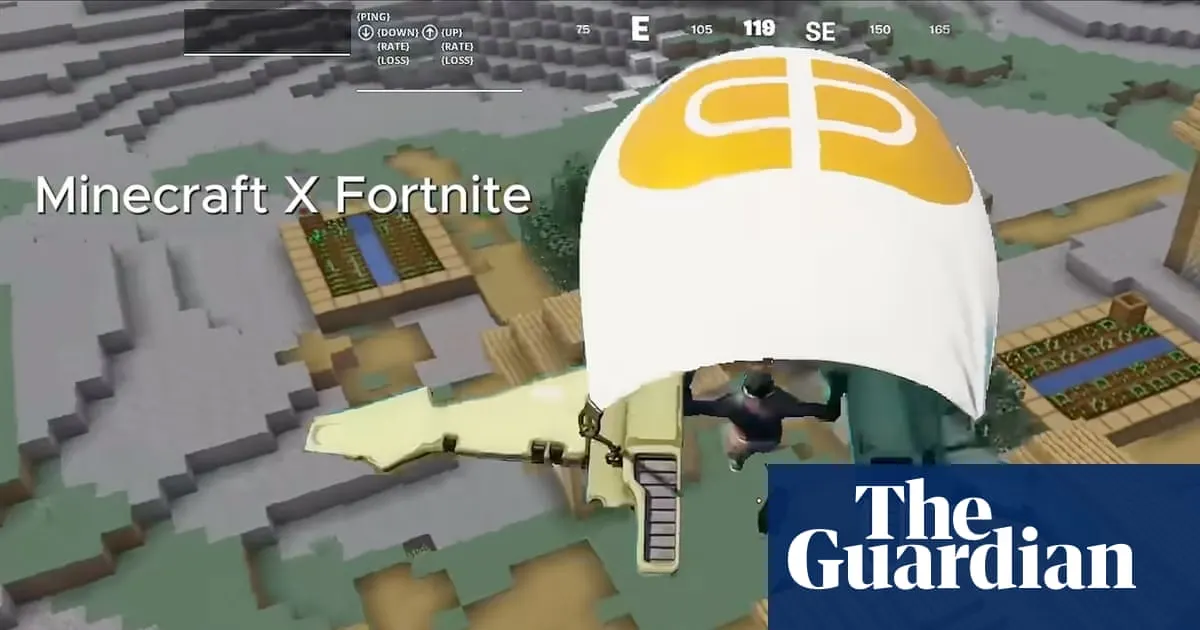
AI coding tools, particularly Anthropic’s Claude, have made it much quicker to decompile and modify video games, fuelling a wave of social media clips showing unlikely mashups. The change lowers the technical barriers to modding and raises concerns about copyright, piracy and the effect on the games industry.
The article says Claude can produce source code from a compiled game overnight, while combining games still takes human tweaking. The writer used it to make a basic playable browser game in four minutes and had a short-video-ready result within half an hour. More advanced projects include recent games running in browsers, free libraries built from emulated games and improved PlayStation 5 emulation that can run many PS5 games on a PC.
In short
- AI has lowered the barrier to making elaborate game mods.
- Claude helped create a playable mashup in four minutes.
- The technology is intensifying copyright and piracy concerns.
Steelman: both sides, in good faith
The strongest fair case each way — we don't pick a winner.
The case for
AI coding tools can make game modding and preservation accessible to far more people, enabling creative mashups, browser versions and improved emulation that might otherwise take specialist skills and substantial time. Supporters may see this as a new form of fan expression and a way to keep games playable across devices and generations.
The case against
Decompiling and modifying commercial games can infringe copyright or facilitate piracy, especially when projects distribute game code or make paid titles freely playable. Rights holders may argue that widespread, rapid replication undermines the investment and control that support game development, even when some creators intend only to experiment or preserve.
AI Entertainment Gaming Offbeat Technology Weird & Viral