Carry on claiming: welfare spending £5 billion a year higher than expected
The Office for Budget Responsibility (OBR) says UK welfare spending is expected to be around £5 billion a year higher than it forecast in March, reaching £413.1 billion in 2030-31. The rise has intensified criticism of the Government for not setting out specific benefit cuts or reforms in the Budget.
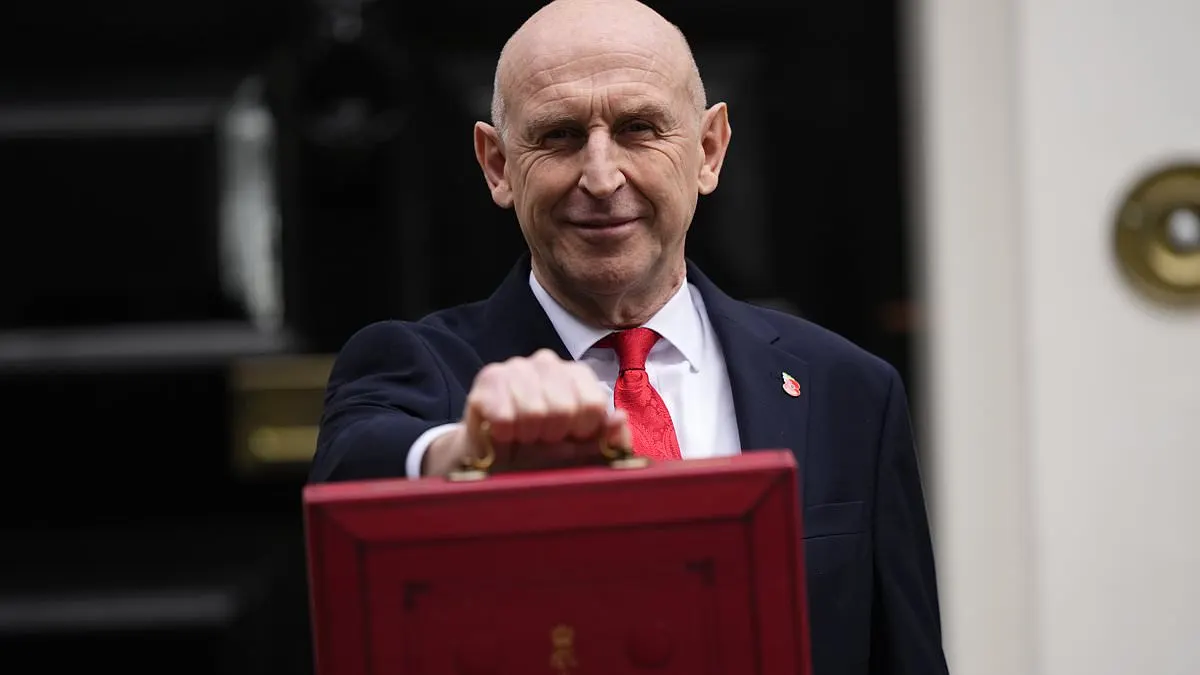
The OBR attributes the higher forecast to benefit increases in line with inflation and more people expected to claim health-related Universal Credit. Health and disability benefit spending is now projected to exceed £100 billion in 2028-29, compared with £85.6 billion in 2025-26. Chancellor John Healey said reviews of youth unemployment and Personal Independence Payments would be published in November and promised to reduce the bill, while critics said the Government was delaying difficult decisions.
In short
- Welfare spending is forecast to reach £413.1 billion in 2030-31.
- The OBR expects costs to average £5 billion more each year.
- Two reviews on benefits and youth unemployment are due in November.
Steelman: both sides, in good faith
The strongest fair case each way — we don't pick a winner.
The case for
Higher welfare spending reflects inflation-linked increases and more people needing health-related support, so meeting the forecast through abrupt cuts could deepen hardship for people with disabilities or limited work capacity. The Government can argue that reviewing Universal Credit and Personal Independence Payments before making changes is a responsible way to understand rising claims, improve support and avoid unfairly restricting help.
The case against
A sustained increase in welfare costs places pressure on public finances and can leave less room for other priorities or higher taxes, so the Government should explain how it intends to keep spending affordable. Critics can argue that delaying specific reforms creates uncertainty and risks allowing costs to rise further; timely changes to benefits and employment support could protect those most in need while strengthening incentives and value for money.
Explained simply
The Office for Budget Responsibility (OBR) is an independent public body that forecasts the UK’s public finances, including how much the Government is expected to spend. Welfare spending covers payments such as Universal Credit and disability benefits, which help people on low incomes or with health conditions.
Universal Credit is a benefit for people who are out of work or on a low income; some claimants receive extra support because illness or disability limits their ability to work. Personal Independence Payment (PIP) helps with the additional costs of living with a disability, and is assessed separately from income. Benefit rates are adjusted over time, including in line with inflation.
These forecasts matter because welfare is a large part of public spending, and changes can affect both people who rely on support and the money available for other public services. Governments can alter benefit rules or rates, but decisions involve questions about eligibility, financial support and the public finances.