Business news and discussion on TalkFuse.
Election lawsuits are underway: What voters need to know
Developed over time first seen 2 weeks ago
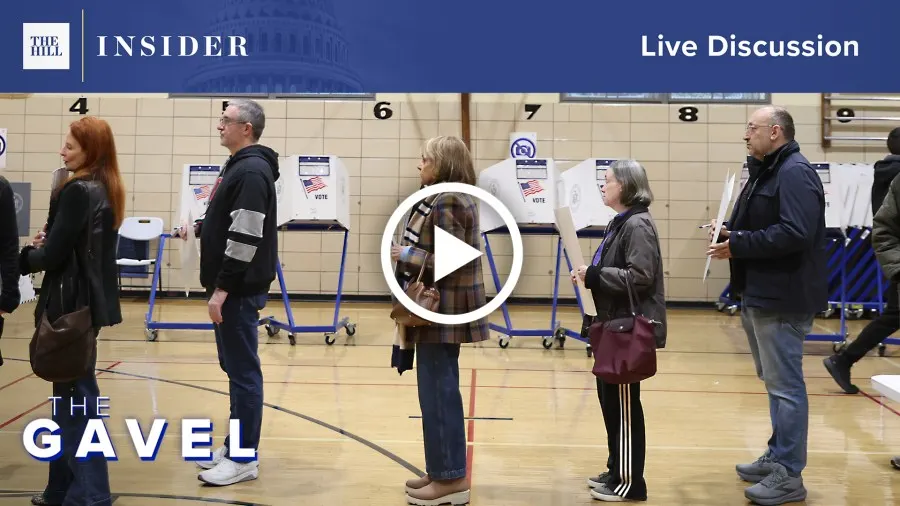
Lawsuits over the 2026 US midterm elections began before polling day, with disputes over who may vote, how ballots are handled and when results can be certified. A live briefing published on 28 October drew attention to two cases: the Trump administration’s attempt to have California set aside mail ballots from roughly 20,000 people it said might be non-citizens, and a challenge involving two candidates named Dan Sullivan in Alaska’s Senate race. The government argued that the California measure would prevent potentially ineligible votes from being counted; California disputed the reliability of the list and the need to change its ballot procedures.
Subsequent rulings clarified the immediate position for voters. On 2 November, the US Supreme Court rejected the administration’s emergency request to separate the California ballots. A federal judge also dismissed the Justice Department’s attempt to delay certification in Alaska if the Republican incumbent lost. Those decisions addressed specific requests rather than every allegation or case, and election litigation could continue during counting and certification. Voters should follow instructions from their state and local election officials, whose published procedures remain the practical guide to casting a ballot.
- Sources
- 2
- Outlets
- 2
- Left · Centre · Right
- 0 · 1 · 0
In short
- Election lawsuits were already under way before the midterms.
- The Supreme Court declined to order California to separate roughly 20,000 disputed ballots.
- A judge dismissed a bid to delay certification of Alaska’s Senate race.
How this story developed
- 2 weeks ago Lawsuits over the 2026 US midterm elections began before polling day, with disputes over who may vote, how ballots are handled and when results can be certified.
Steelman: both sides, in good faith
The strongest fair case each way — we don't pick a winner.
The case for
Supporters of the administration’s California request argue that election officials should take reasonable steps to prevent ballots from people who are not eligible to vote from being counted. They see careful review as a way to protect lawful voters’ confidence in the result, provided any checks are accurate and do not wrongly exclude eligible people.
The case against
California’s position is that a disputed list is not a reliable basis for setting aside thousands of ballots, which could disenfranchise eligible voters and disrupt established procedures. Critics argue that election safeguards must rest on sound evidence and due process, with individual eligibility concerns handled without broadly putting valid votes at risk.
Explained simply
The US holds midterm elections halfway through a president’s four-year term, choosing members of Congress and, in some states, other officials. Election rules are mainly run by state and local authorities, so voting and ballot-counting procedures can differ from one state to another.
Candidates, voters and the federal government can challenge election rules or decisions in court. The Justice Department represents the federal government, while state officials defend their own procedures; judges decide the legal disputes. These cases can concern who is eligible to vote, how ballots are handled and when results become official.
Court challenges matter because they can affect how votes are counted and how election results are confirmed. A ruling on one request may settle only that immediate issue, while other parts of a case can continue.
Coverage · 2 sources
Americas Business Elections Markets Politics World