World news and discussion on TalkFuse.
LEE ZELDIN: Biden’s energy rules cost billions. Trump’s EPA is lowering costs
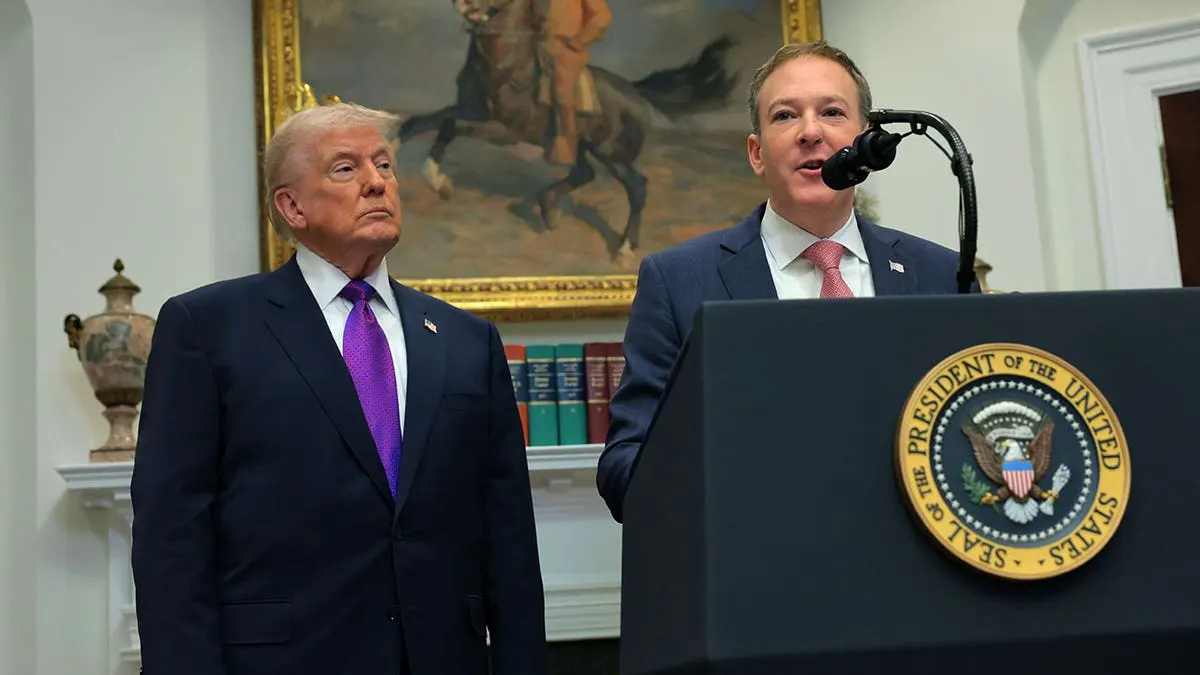
Lee Zeldin says the US Environmental Protection Agency’s proposed changes to Biden-era oil and gas rules would reduce costs for consumers and increase domestic fuel production. The proposal is presented as a way to make regulation more workable for producers while maintaining environmental protections.
The article says the 2024 rules were estimated by the Biden administration to cost $18 billion, while the new proposal is expected to save $45 billion and enable an additional 210 million barrels of oil and 1.41 trillion cubic feet of natural gas. It would set different standards for different well sites, end the “super emitter” programme and allow 95% efficient flaring or other controls for natural gas produced alongside oil. Zeldin also cites the EPA’s claimed $1.6 trillion in deregulatory savings over the past year; these figures and claims are presented by the author.
In short
- EPA proposal is projected to save $45 billion.
- It could enable more oil and gas production.
- Zeldin argues the changes can lower costs while protecting the environment.
Steelman: both sides, in good faith
The strongest fair case each way — we don't pick a winner.
The case for
Supporters argue that revising the 2024 rules could lower compliance costs, support domestic oil and gas production and reduce costs for consumers, while allowing producers to meet emissions goals through controls suited to different well sites. They may see the proposed changes as a more workable balance between environmental protection, energy affordability and reliable supply.
The case against
Critics argue that weakening or ending measures such as the super emitter programme could make it harder to detect and limit harmful pollution, shifting environmental and health costs onto the public. They may also question whether the projected savings and production increases will materialise, and contend that the 2024 requirements were justified to secure stronger, consistent protections.
Explained simply
The US Environmental Protection Agency (EPA) sets rules intended to limit pollution, including emissions from oil and gas production. The Biden administration’s 2024 rules covered emissions of methane, a potent greenhouse gas, from wells and related equipment.
The rules affect energy companies, which must meet standards for monitoring and controlling emissions, and people who use oil and gas for fuel. Lee Zeldin, who leads the EPA under President Donald Trump, has proposed changing some of those requirements, including how different well sites are regulated and how gas produced alongside oil is handled.
The debate is about balancing the costs and practical demands on producers with efforts to limit pollution. The figures cited for costs, savings and potential extra production are estimates from the administrations and officials promoting the respective policies.