Netanyahu and Eisenkot fall short of majority as Israeli votes are counted
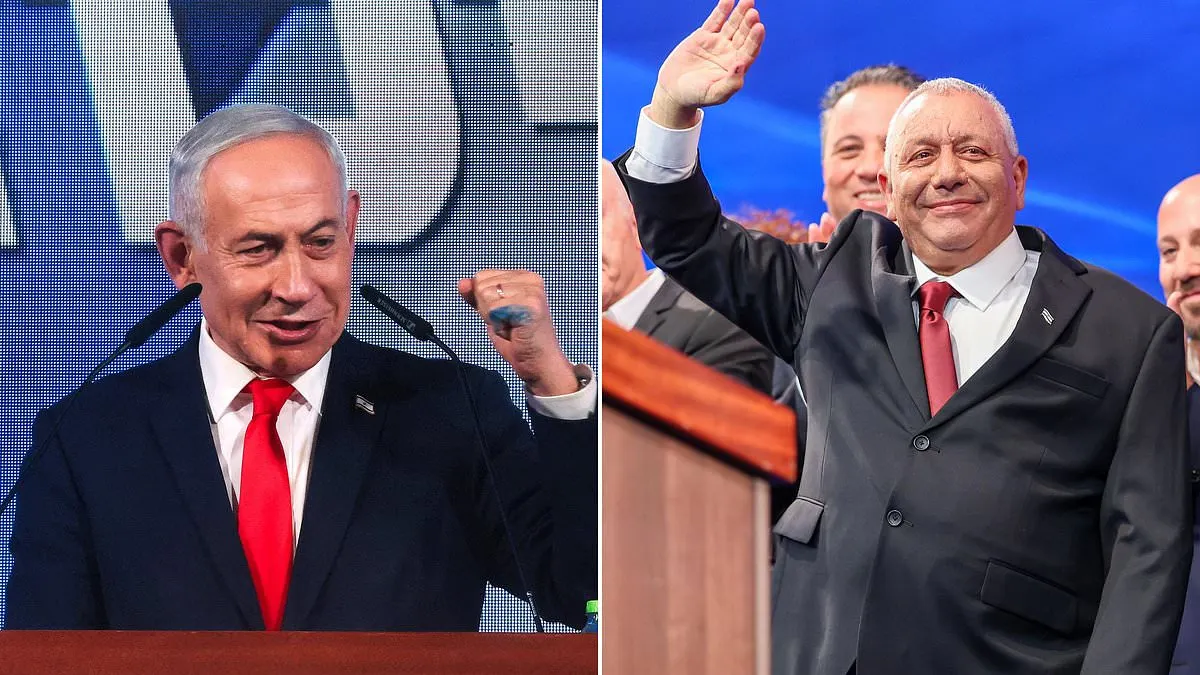
Benjamin Netanyahu and his main challenger, Gadi Eisenkot, both claimed a path to lead Israel after exit polls suggested no clear winner in the election. The vote, the first since the Hamas-led attack of 7 October 2023, could leave the country facing prolonged coalition talks and Netanyahu serving as caretaker prime minister.
With 48.4 per cent of votes counted, Israeli media projected 55 seats for Netanyahu’s bloc, 50 for Eisenkot’s and 15 for Arab parties; the figures could change as counting continues. Neither bloc has the 61 seats needed for a majority in the 120-seat Knesset, and both leaders face obstacles to forming a coalition with Arab parties. Turnout was 77.7 per cent, the highest in more than two decades.
In short
- Exit polls point to a deadlock in Israel’s election.
- Netanyahu’s bloc was projected to win 55 seats.
- Turnout reached its highest level in over two decades.
Steelman: both sides, in good faith
The strongest fair case each way — we don't pick a winner.
The case for
Netanyahu’s supporters could argue that voters have not given his opponents a clear mandate, and that his experience and established coalition partners make him a credible choice to lead through a difficult period. They may also see the projected result as a reason to pursue coalition talks before judging the outcome, since counting is incomplete and the seat estimates could change.
The case against
Eisenkot’s supporters could argue that the projected 55 seats for Netanyahu’s bloc fall well short of a majority and that the election’s inconclusive result reflects a need for political change after the 7 October attack. They may regard Eisenkot as better placed to build a broader coalition, while acknowledging that his bloc also lacks a majority and faces obstacles to working with Arab parties.
Explained simply
Israel is a parliamentary democracy where voters choose members of the Knesset, the country’s 120-seat parliament. A government needs the support of at least 61 members, so parties often join together in a coalition and negotiate over its policies and leadership.
Benjamin Netanyahu is a long-serving prime minister and leader of Likud. Gadi Eisenkot is a former military chief who leads the main opposition alliance; Arab parties represent a significant part of Israel’s Arab minority, but have rarely been part of governing coalitions.
The election follows the Hamas-led attack of 7 October 2023 and the war that followed, making security and the government’s handling of the conflict central issues. If no group can assemble a majority, coalition negotiations may take time, while the existing government can remain in office in a caretaker role.
Elections Middle East Politics World
Read the full article at the source →
Originally published by Daily Mail as “Netanyahu and his main rival Eisenkot look set for deadlock as Israeli election exit polls suggest no clear winner”.