Howe, Nagelsmann, Pochettino: can anyone end Manchester United’s doom loop?
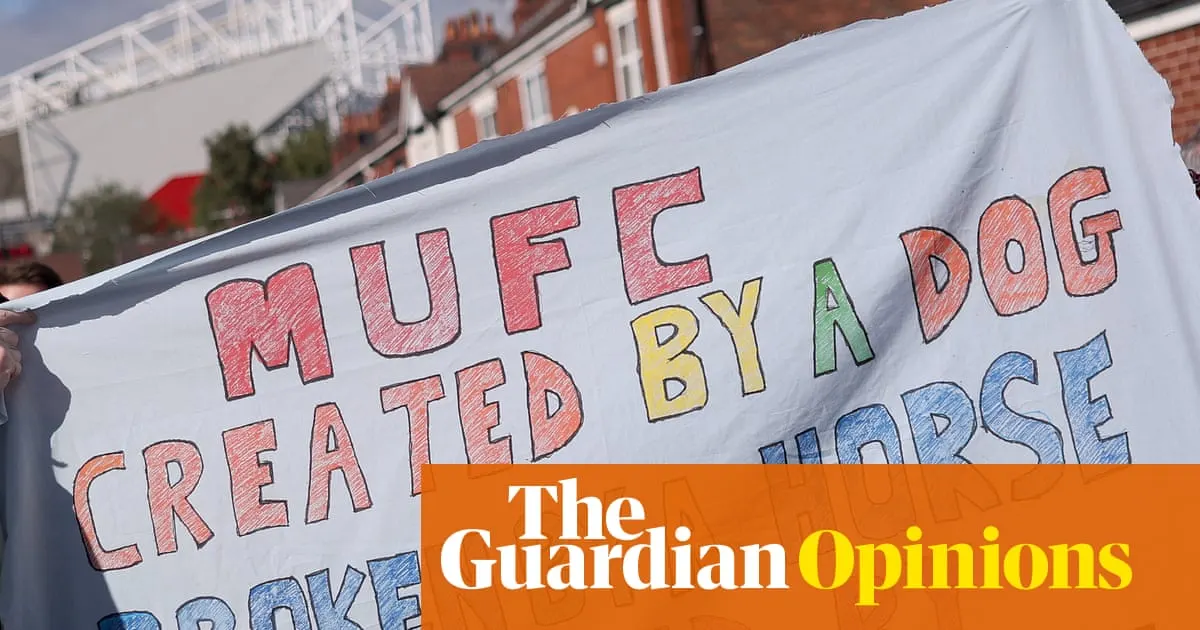
Manchester United’s repeated decline is presented as the result of longstanding structural problems, not simply poor coaching. The article argues that executive turmoil, debt and short-term decisions have undermined the club, leaving even a highly regarded manager with little chance of turning things around.
It traces the roots of the crisis from the club’s shift towards shareholder value and the Glazer takeover to Jim Ratcliffe’s control of football decisions and strained relations with supporters. United are described as cycling through unsuitable appointments, inadequate squad investment and contrasting tactical approaches, while missing Champions League income and then spending heavily without building a balanced team.
In short
- United’s decline reflects deep institutional problems.
- Managerial changes have repeated the same mistakes.
- Squad investment and executive decisions remain central concerns.
Steelman: both sides, in good faith
The strongest fair case each way — we don't pick a winner.
The case for
Manchester United’s repeated failures suggest the problem runs deeper than the manager: unstable leadership, short-term recruitment and financial pressures can undermine even a capable coach. On this view, appointing another high-profile manager without changing how the club is run is unlikely to break the cycle.
The case against
A manager still has significant influence over tactics, standards and player development, so the right appointment could improve results even within imperfect structures. The club’s spending and resources also leave room to build a more coherent squad; sustained leadership from a strong coach could create momentum while wider reforms take time.
Explained simply
Manchester United are one of England’s biggest football clubs, but their fortunes have fallen since the retirement of long-serving manager Alex Ferguson in 2013. The Glazer family’s takeover in 2005 left the club with substantial debt, while disagreements over ownership and decision-making have fuelled tension with supporters.
Since Ferguson left, United have appointed several managers with different approaches and spent heavily on players, but have struggled to build a consistent team. Jim Ratcliffe, whose company took charge of football operations in 2024, now shares control of the club with the Glazers.
The club’s results matter both on the pitch and financially: missing the Champions League means losing a major source of income, while poor planning can make it harder to compete. The debate over managers such as Eddie Howe, Julian Nagelsmann and Mauricio Pochettino reflects a wider question about whether a coach can succeed without stable leadership and a well-balanced squad.
Celebrity Elections Entertainment Geopolitics Politics Sport TV