Budget measures offer modest relief while tax thresholds stay frozen
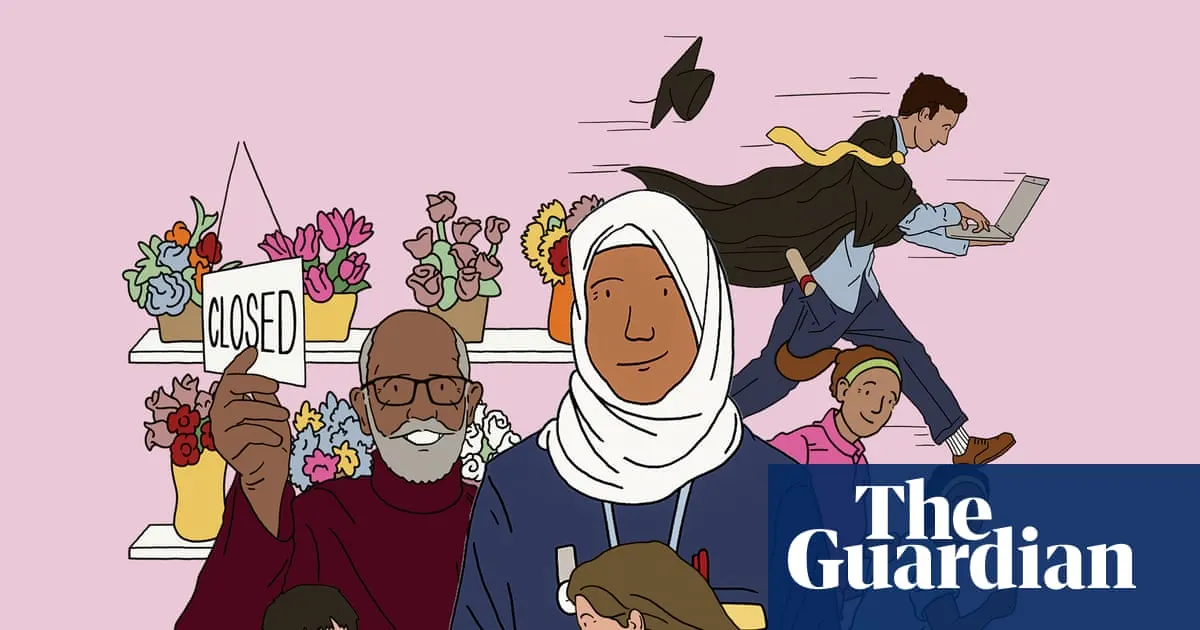
The budget makes few changes to the main taxes, so many households’ finances will remain broadly similar in 2027. Its effects will vary by income and circumstances, with support for some households through energy bill measures, a £100 payment and a higher minimum wage.
Income tax thresholds remain frozen until 2031, potentially bringing more earnings into tax, while the Plan 2 student loan repayment threshold stays at £29,385 for three years from next April. The budget also keeps the £20,000 annual cash Isa allowance for under-65s, introduces a first-time buyer scheme in England with deposits from 2.5%, and raises the national living wage from £12.71 to £13.21 an hour in 2027. The £100 energy payment is for eligible households in council tax bands A to D in England.
In short
- Main tax rules are largely unchanged.
- Eligible English households get a £100 energy payment.
- The national living wage rises to £13.21 an hour in 2027.
Steelman: both sides, in good faith
The strongest fair case each way — we don't pick a winner.
The case for
Supporters could argue that targeted energy help, a higher minimum wage and a low-deposit route into home ownership offer practical relief while keeping the budget’s main taxes broadly stable. Freezing income tax thresholds also helps raise revenue to fund public services without announcing higher tax rates, and retaining the £20,000 cash Isa allowance preserves a familiar savings option for under-65s.
The case against
Critics could argue that frozen income tax thresholds gradually pull more earnings into tax, while the unchanged student loan threshold may increase repayments for some graduates as wages rise. The support on offer is limited and uneven: the energy payment is restricted to eligible households in England’s lower council tax bands, and a 2.5% deposit scheme may help buyers enter the market without addressing wider affordability pressures.
Explained simply
The budget sets out how the government will raise and spend money, including through taxes and support for households. Income tax thresholds determine how much people can earn before paying tax; when they stay fixed while wages rise, some people may pay tax on more of their income.
The rules affect people differently depending on their earnings, where they live and whether they meet eligibility conditions. They also cover areas such as student loan repayments, savings and help for first-time buyers, so the effects may vary between households.
Read the full article at the source →
Originally published by The Guardian as “Budget 2026: what it means for you”.