JOHN MacLEOD: Wind-up radios and panic buying toilet roll… When DID we become such Jessies?
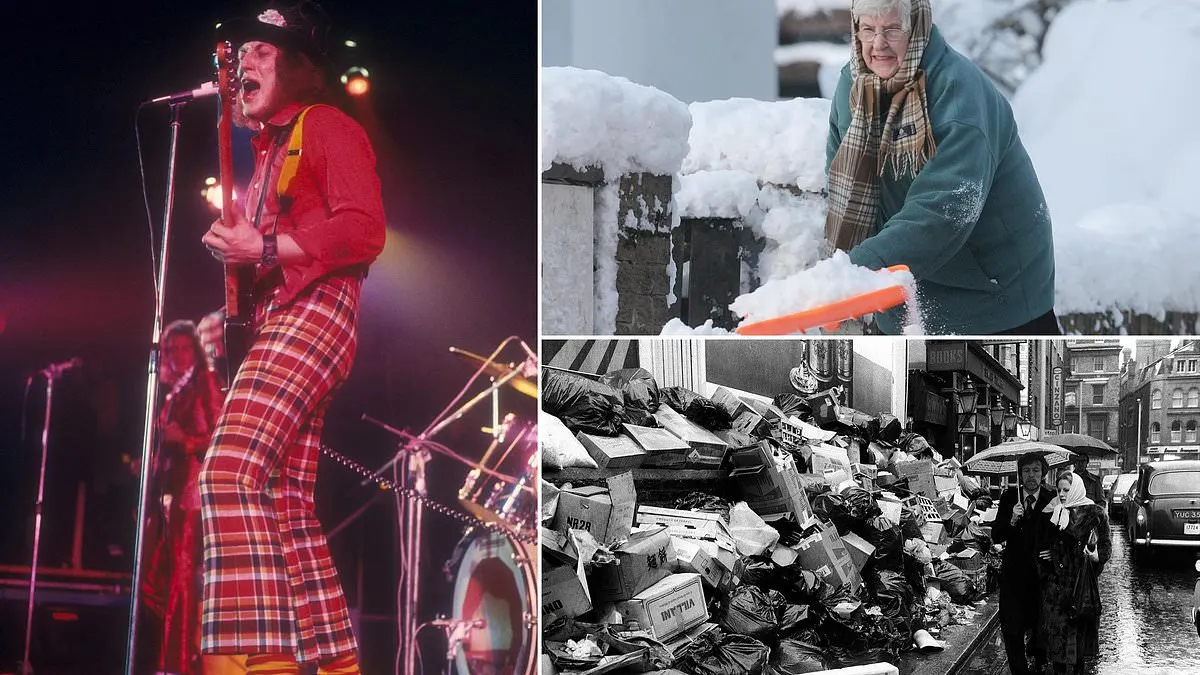
The writer compares Britain’s response to winter weather today with his childhood experience of severe cold and snow in 1978, arguing that people once coped with disruption more calmly and resourcefully. He says current fears about power cuts and shortages have fuelled panic buying and stockpiling, even as ordinary winter storms bring familiar inconveniences.
He recalls icy roads during a gritters’ strike, school closures during a heating-oil strike, and children making the most of the snow. In Edinburgh in 2009 and 2010, he says snow clearing and rubbish collection faltered, while this winter’s storm caused two power cuts in his Outer Hebrides home. He had food, rechargeable torches and candles ready, and power returned after an outage that began on Tuesday night.
In short
- The writer says Britain has become less resilient in winter.
- Storms and power-cut fears have prompted stockpiling.
- He describes coping with two recent outages using basic supplies.
Explained simply
Britain’s winter weather can disrupt transport, schools and household services, while storms can also damage power lines and leave homes without electricity. In remote areas such as the Outer Hebrides, repairs and deliveries may take longer because communities are spread out and weather can limit access.
Gritters treat icy roads to make them safer, and councils are responsible for services such as clearing snow and collecting rubbish. Strikes or severe weather can interrupt these services, while power cuts can affect heating, lighting and cooking; people may keep basic supplies and torches at home in case of an outage.
The story sets memories of coping with cold and snow in the past against present concerns about disruption and shortages. It touches on how prepared households and public services are for familiar winter problems, and how worries about supply can influence people’s buying decisions.