Culture news and discussion on TalkFuse.
Watch live: Warsh speaks after Fed votes to keep interest rates steady
Developed over time first seen 2 weeks ago
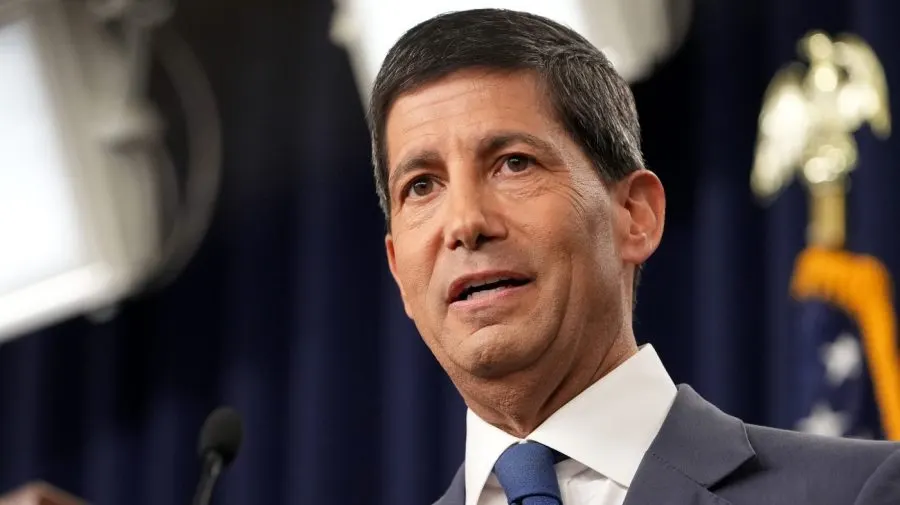
The US Federal Reserve held its benchmark interest rate at 3.75% to 4% on 28 October 2026, leaving it unchanged after a quarter-point rise in September. The decision passed by 10 votes to two. Governors Lisa Cook and Beth Hammack wanted another quarter-point increase. The Fed said economic activity was expanding strongly, spending had remained resilient and unemployment had changed little, while inflation was still above its 2% goal. Chair Kevin Warsh spoke to reporters after the decision.
The announcement came days before the US midterm elections, putting questions about political influence in focus. Warsh said politics played no role in the decision. The split vote showed that some policymakers remained concerned enough about inflation to favour raising borrowing costs immediately, while the majority chose to wait for more information before deciding the next move. The Fed’s final scheduled policy meeting of 2026 is in December.
- Sources
- 4
- Outlets
- 3
- Left · Centre · Right
- 0 · 1 · 0
In short
- The Fed held its interest rate at 3.75% to 4%.
- Two of the 12 voting policymakers wanted a quarter-point rise.
- Warsh said politics played no role ahead of the midterms.
How this story developed
- 2 weeks ago The US Federal Reserve held its benchmark interest rate at 3.75% to 4% on 28 October 2026, leaving it unchanged after a quarter-point rise in September. The decision passed by 10 votes to two. Governors Lisa Cook and Beth Hammack wanted another quarter-point increase.
- The Hill Watch live: Warsh speaks after Fed votes to keep interest rates steady
- Federal Reserve Federal Reserve issues FOMC statement
- Federal Reserve October 27–28, 2026 FOMC Meeting
- Yahoo Finance Fed holds rates steady despite dissents
Steelman: both sides, in good faith
The strongest fair case each way — we don't pick a winner.
The case for
Holding rates steady gives the Fed time to assess how September’s increase is affecting the economy before tightening further. With spending resilient and unemployment little changed, waiting may avoid unnecessarily raising borrowing costs for households and businesses while the effects of earlier moves become clearer.
The case against
Inflation remains above the Fed’s 2% goal, and economic activity and spending are strong, so waiting could allow price pressures to persist. A further increase now, as two governors favoured, could reinforce the Fed’s commitment to its inflation target and reduce the risk of needing sharper action later.
Explained simply
The Federal Reserve, often called the Fed, is the US central bank. It sets a key interest rate that influences the cost of borrowing for households and businesses, as well as returns on savings.
The Fed’s main aims include keeping prices stable and supporting employment. Its policymakers weigh inflation against the strength of the economy when deciding whether to raise, lower or hold rates, and their votes can reveal differences over those risks.
The chair leads the Fed and explains its decisions, while the central bank is intended to make monetary policy independently of elected politicians. Rate decisions can affect spending, jobs and prices in the US and beyond.
Coverage · 4 sources
Americas Art Business Culture Economy Elections Politics World