Technology news and discussion on TalkFuse.
House Democrat: Paper ballots protect against Musk’s potential election hacking
Developed over time first seen 2 weeks ago
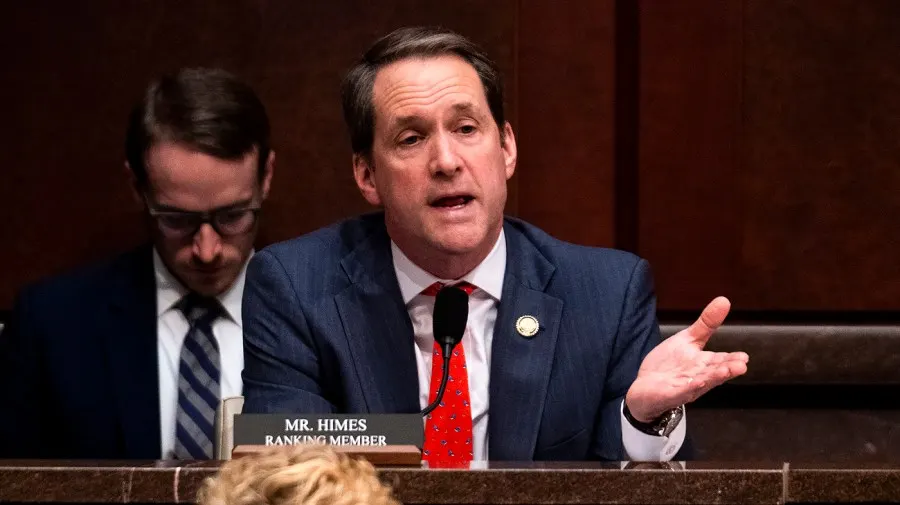
Jim Himes, the senior Democrat on the US House Intelligence Committee, said paper ballot records provide a way to check electronic vote totals if someone were to alter them. Speaking on 28 October ahead of the midterm elections, he used Elon Musk as a hypothetical example: if Musk or anyone else managed to change a tally, officials could compare it with the physical ballots. Himes said 49 states have paper records, with Louisiana the exception. He did not present evidence that Musk had hacked an election or attempted to do so.
The remarks came amid renewed disputes over election security and claims of fraud. Himes has said intelligence briefings found no indication that a foreign adversary had interfered with voting infrastructure or vote counting in the 2026 election. Paper records offer a means of checking results, although detecting a discrepancy depends on officials carrying out audits or recounts. The distinction matters: Himes was describing a safeguard against a possible attack, not reporting that vote totals had been changed.
- Sources
- 2
- Outlets
- 2
- Left · Centre · Right
- 0 · 1 · 0
In short
- Himes cited paper ballots as a check on electronic vote totals.
- He mentioned Musk as a hypothetical example, without alleging a hack.
- Audits and recounts can compare reported totals with physical ballots.
How this story developed
- 2 weeks ago Jim Himes, the senior Democrat on the US House Intelligence Committee, said paper ballot records provide a way to check electronic vote totals if someone were to alter them.
- The Hill House Democrat: Paper ballots protect against Musk’s potential election hacking
- House Intelligence Committee Democrats Himes Statement on Intelligence Community Led Election Briefing
Steelman: both sides, in good faith
The strongest fair case each way — we don't pick a winner.
The case for
Paper ballot records provide an independent way to verify electronic tallies, which can help detect and correct interference if officials conduct audits or recounts. Even without evidence of a specific attack, maintaining that check can strengthen confidence in election results and make tampering harder to conceal.
The case against
Paper records are a useful safeguard, but their existence alone does not establish that an election is secure or that every discrepancy would be found; verification depends on effective audits and recounts. Invoking a named individual without evidence of an attempted hack may also risk amplifying suspicion, so election-security claims should be framed carefully and grounded in evidence.
Explained simply
US elections are run by state and local officials, who use different systems to record and count votes. Many voters mark paper ballots, while others use electronic machines that produce a paper record.
Paper records can be compared with electronic totals in an audit or recount, helping officials check whether votes were counted accurately. The records provide a way to verify results, though a check depends on officials carrying one out.
Jim Himes is a Democratic member of Congress who serves as the senior Democrat on the House Intelligence Committee. Elon Musk is a technology entrepreneur; his name was used as a hypothetical example, and no evidence was presented that he had hacked or tried to hack an election.
Coverage · 2 sources
Americas Cybersecurity Elections Politics Technology World