Nigel Farage explains stance on Reform UK members supporting Tommy Robinson
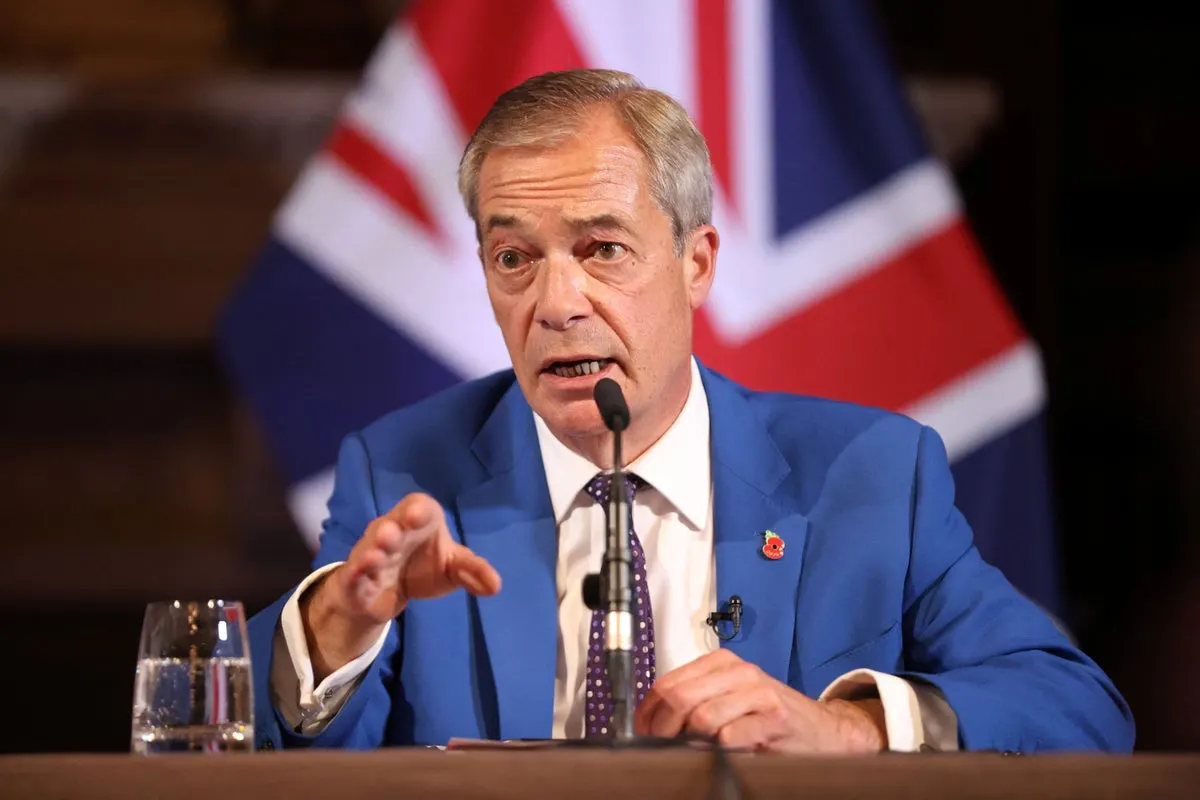
Nigel Farage said Reform UK cannot monitor members’ views or online activity, responding to questions about members supporting Tommy Robinson. He said liking a social media post does not necessarily mean someone is a committed supporter, while calling the conduct behind Robinson’s conviction “very wrong”.
Robinson, whose name is Stephen Lennon, was convicted of harassing two journalists and causing them to fear violence, and could face up to 10 years in prison. Prosecutors said reporter Andrew Young and Daily Mail editor Jacob Dirnhuber left their homes or hired extra security because they feared an attack. Farage has previously described Robinson as “thuggish” and said he was not what Reform UK needed.
In short
- Farage says Reform cannot monitor members’ views.
- He condemned the conduct behind Robinson’s conviction.
- Robinson could face up to 10 years in prison.
Steelman: both sides, in good faith
The strongest fair case each way — we don't pick a winner.
The case for
A political party cannot reasonably be expected to police every member’s private opinions or online activity, and a social media like may not show firm support. Farage’s approach can be seen as protecting freedom of expression while judging members by their conduct and the party’s stated standards, rather than by ambiguous online signals.
The case against
A party still has a responsibility to uphold its values and respond when members appear to endorse a figure convicted of conduct that made journalists fear violence. Critics could argue that dismissing online support as insufficient evidence risks understating the signal it sends and leaves unclear what behaviour would prompt meaningful action.
Explained simply
Reform UK is a political party led by Nigel Farage. Its members can express views online, but the party’s rules and how it responds to members’ activity are matters of public debate.
Tommy Robinson is the public name used by Stephen Lennon, a political activist whose supporters say he campaigns on issues such as immigration and Islam. He has also faced criminal cases linked to his conduct towards journalists, which have raised questions about the risks of intimidation and the limits of political protest.
The issue matters because parties must balance members’ freedom to express personal views with the standards they expect of people associated with them. It also draws attention to how online activity, such as liking a post, may be interpreted when a member’s political affiliations are in focus.