Virgin Galactic moves first Delta spacecraft towards New Mexico for testing
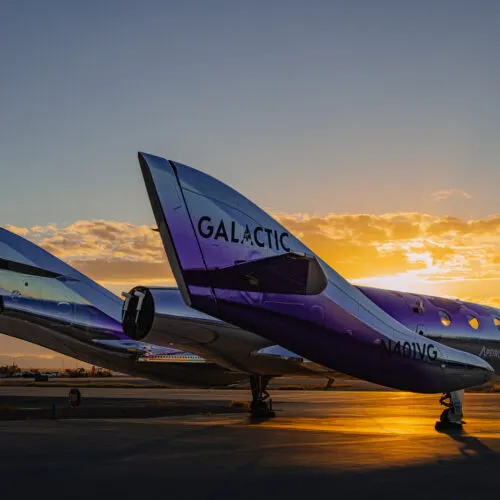
Virgin Galactic has moved its first Delta-class spacecraft, named Apeiron, from its factory in Arizona towards Spaceport America in New Mexico for further testing. The move marks progress towards restarting the company’s suborbital tourism flights, which have not taken place in the United States for 10 months.
At the spaceport, teams will finish work on the craft’s avionics and flight software before ground tests, captive-carry tests and a drop test, followed by a powered test flight above 80 kilometres. Virgin Galactic expects Apeiron’s first commercial flight in early Q2 2027, though the date remains uncertain. The company plans two Delta craft, but faces doubts about whether its vehicles can fly reliably and often enough to make the business viable.
In short
- Apeiron has reached the next stage of preparation in New Mexico.
- Virgin Galactic is targeting commercial flights in early Q2 2027.
- Testing and the company’s commercial prospects remain uncertain.
Steelman: both sides, in good faith
The strongest fair case each way — we don't pick a winner.
The case for
Moving Apeiron to Spaceport America is a concrete step towards resuming flights and testing whether Virgin Galactic’s new spacecraft can support a regular commercial service. Progress could restore customer confidence, create business for the spaceport and help establish a market for suborbital tourism, while the staged tests offer a way to assess the craft before carrying passengers.
The case against
The move is an early milestone, not evidence that the spacecraft is ready for routine passenger flights or that the business can be profitable. With US flights paused for 10 months, a first commercial flight still projected for 2027 and reliability and flight frequency unresolved, investors and customers have reason to question whether the company can deliver its timetable or a sustainable service.
Explained simply
Virgin Galactic is a US company that sells seats on brief flights above the edge of space. Its earlier spacecraft, VSS Unity, carried passengers on suborbital trips but was retired as the company developed a new generation of vehicles.
A suborbital flight rises above much of Earth’s atmosphere before returning to the ground, rather than entering orbit around the planet. Spaceport America, in New Mexico, is Virgin Galactic’s base for these flights, while the company’s factory is in Arizona.
The business depends on showing that its spacecraft can fly safely and regularly enough to attract customers and cover costs. Virgin Galactic plans to build two Delta craft, so their testing and eventual operating record will be important to the company’s prospects.
Culture Fashion Space Technology Travel
Read the full article at the source →
Originally published by Ars Technica as “The last, best hope for space tourism just rolled onto a runway in Arizona”.