Australian man avoids immediate jail in landmark deepfake pornography case
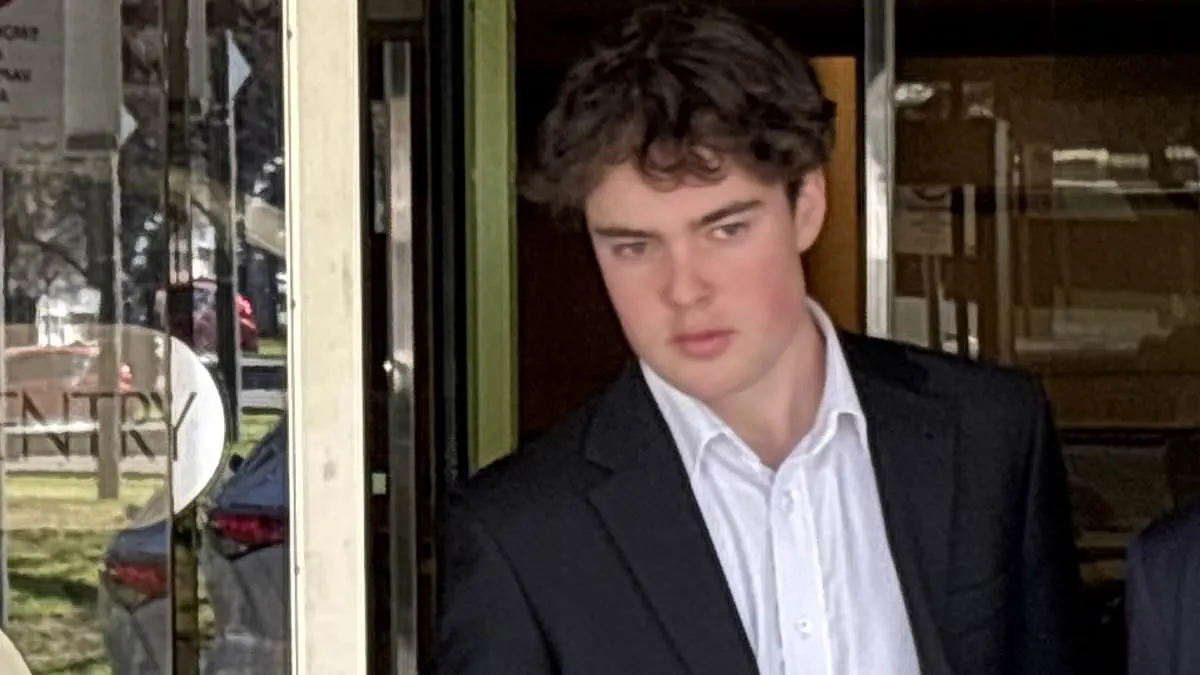
William Hamish Yeates, 20, has avoided immediate jail after becoming the first person convicted in Australia under federal laws targeting deepfake pornography. He received a prison sentence of two years and three months, suspended on condition that he enter a three-year good behaviour bond.
The court heard that, when he was 18, Yeates spent five months making and sharing AI-altered sexual images and videos of a girl who was 17, including a doctored graduation photo. Judge Anne Barnett said the abuse had left the victim fearful and had tainted her memories of graduation. The sentence took account of his youth, autism-related developmental factors, mental health, guilty plea, remorse and treatment.
In short
- Australia’s first deepfake pornography conviction resulted in a suspended sentence.
- Yeates must comply with a three-year good behaviour bond.
- The victim said the images had changed how she remembered graduation.
Steelman: both sides, in good faith
The strongest fair case each way — we don't pick a winner.
The case for
Suspending the prison term can be defended as a proportionate response to a young first-time offender whose guilty plea, remorse, treatment and developmental and mental health factors give the court reason to believe he can be rehabilitated without immediate custody. A good behaviour bond and the conviction still impose consequences, while avoiding imprisonment may better support long-term rehabilitation.
The case against
The conduct involved repeated creation and distribution of sexual images of a minor without her consent, with serious and lasting effects on her wellbeing and memories of graduation. Because online material can persist and spread, a sentence requiring immediate custody could recognise the gravity of the harm, affirm the victim’s protection and deter others from similar abuse.
Explained simply
Deepfakes are images or videos altered or generated with artificial intelligence to make it appear that someone did or said something they did not. Sexual deepfakes can use a person’s face in explicit material without their consent, even when the person never posed for or made the images.
Australia has federal laws that criminalise creating or sharing some non-consensual sexual material made with digital technology. The case concerns how those laws apply to AI-altered images, and is the first conviction under the federal provisions targeting deepfake pornography.
The victim was 17 when the images were made and shared, and Yeates was 18. The case raises questions about the harm such material can cause, how the law responds, and how courts weigh the circumstances of a young offender.
Read the full article at the source →
Originally published by Daily Mail as “Private school graduate avoids jail after being the first Australian charged under deepfake pornography laws”.