Politics news and discussion on TalkFuse.
Campaigners fear “historically significant” Quaker burial site will be destroyed in greenbelt housing plans
Developed over time first seen 3 weeks ago
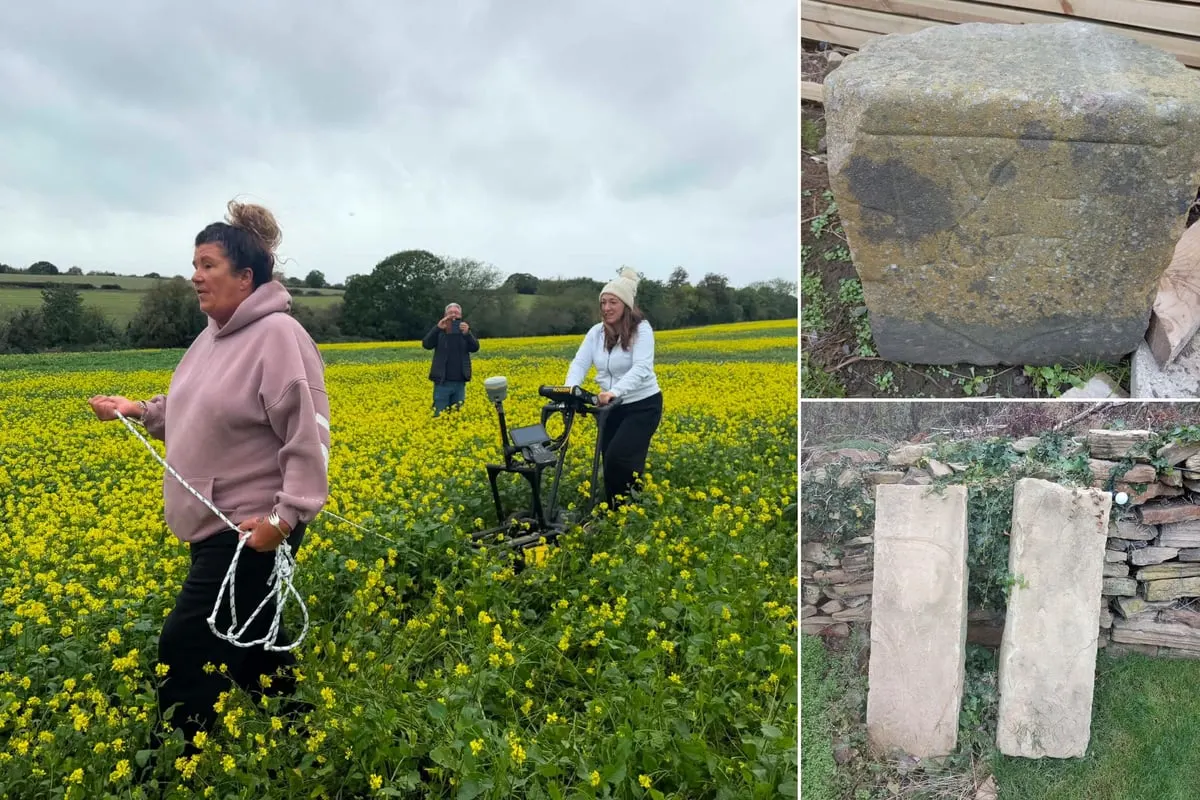
Campaigners in Handsworth, Sheffield, fear that plans for housing on green belt land near Beaver Hill Road could damage a 17th-century Quaker burial ground and its historic surroundings. Save S13 Greenbelt says gravestones and other evidence warrant further investigation before development proceeds. The proposed site, between Bramley Lane and Beaver Hill Road, is part of Sheffield’s draft Local Plan; the council has previously described it as having capacity for 868 homes.
Council evidence draws an important distinction: the recorded burial ground adjoins the proposed housing site but does not lie within it. The council has identified no direct harm to the graves, although it accepts that development could affect the burial ground’s setting. The site appears on Sheffield’s local heritage list, which means its significance must be considered in planning decisions. The location of a nearby historic Quaker preaching ground remains uncertain. The Local Plan is still under examination, so the housing allocation and any eventual development details have yet to be settled.
- Sources
- 3
- Outlets
- 2
- Left · Centre · Right
- 0 · 0 · 0
In short
- Campaigners fear housing near a 17th-century Quaker burial ground could harm its historic setting.
- Council mapping places the recorded graves outside the proposed housing site.
- The burial ground is locally listed, and the wider housing plan remains under examination.
How this story developed
- 2 weeks ago Campaigners in Handsworth, Sheffield, fear that plans for housing on green belt land near Beaver Hill Road could damage a 17th-century Quaker burial ground and its historic surroundings. Save S13 Greenbelt says gravestones and other evidence warrant further investigation before development proceeds.
- The Star (Sheffield) Campaigners fear “historically significant” Quaker burial site will be destroyed in greenbelt housing plans
- Sheffield City Council Allocation SES30 and the relationship with the Quaker burial and preaching grounds
- Sheffield City Council Local List of heritage assets
Steelman: both sides, in good faith
The strongest fair case each way — we don't pick a winner.
The case for
Campaigners can reasonably argue that a burial ground dating to the 17th century, and the landscape that gives it context, deserve careful protection. They say the gravestones and other evidence merit further investigation before plans are settled, particularly as the council acknowledges that development could affect the site’s setting and the nearby preaching ground’s location is uncertain.
The case against
Those supporting housing can reasonably point out that the recorded burial ground lies outside the proposed allocation and the council has identified no direct harm to the graves. Sheffield faces pressure to provide homes, and the draft plan remains under examination, allowing heritage impacts to be considered as the allocation and any development details are decided.
Explained simply
Quakers are a Christian group whose members traditionally meet for worship without clergy. In the 17th century, Quakers in Sheffield used burial grounds and outdoor preaching places as part of their religious life; the exact location of one preaching ground near Handsworth is uncertain.
The burial ground is recorded beside land proposed for housing between Bramley Lane and Beaver Hill Road. Sheffield’s council says the graves are outside the proposed site and has identified no direct harm to them, but says building could affect the burial ground’s surroundings. The site is on the council’s local heritage list, so its importance must be considered in planning decisions.
The land is included in Sheffield’s draft Local Plan, which suggests it could accommodate 868 homes, but the plan is still being examined and development details are not settled. The issue matters because planning decisions must weigh housing proposals alongside the site’s historical significance and setting.