Sanrio ends spy drama deal after Chinese backlash over torture scene
Developing story first seen 2 hours ago
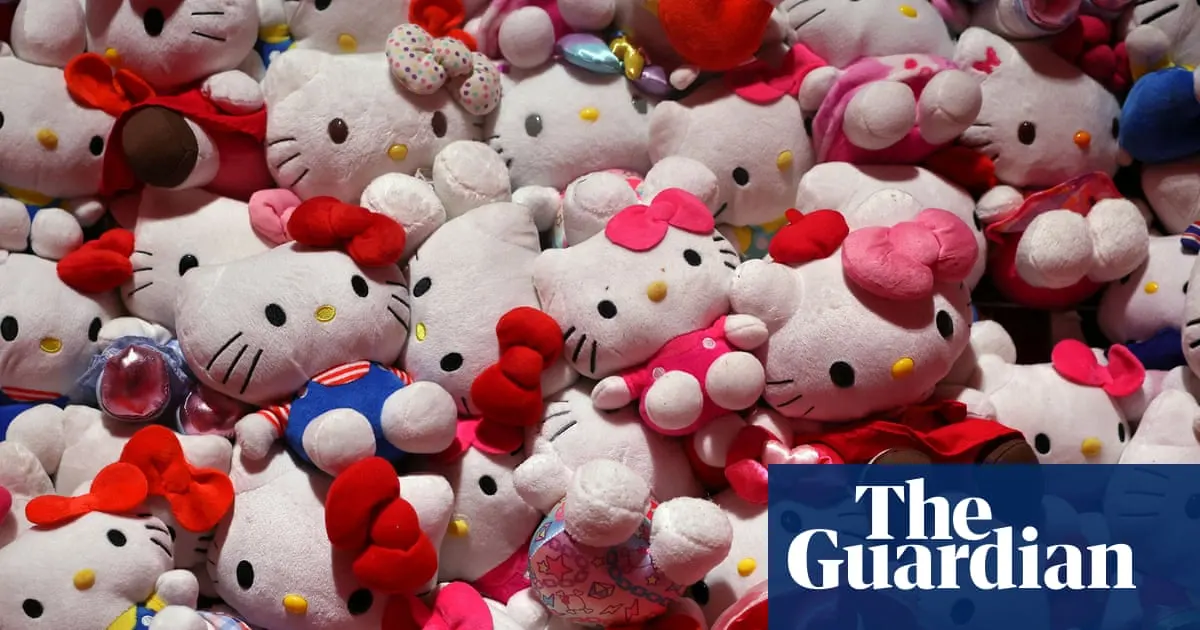
New reporting adds that the backlash against Sanrio follows Chinese brands dropping footballer Kylian Mbappé over a joking remark about Mao Zedong. Sanrio has apologised and ended its commercial association with the Japanese spy drama *Vivant*, after Chinese state media and social media users condemned its portrayal of Chinese agents. The dispute matters because China is a major market for Sanrio, amid strained relations between Beijing and Tokyo.
The criticism focused on an episode in which a Chinese agent cuts off a Japanese intelligence officer’s fingers and stabs him. Chinese media said the scene echoed torture inflicted on Chinese civilians by Japanese troops during the second world war, and accused the drama of smearing China. Sanrio said the show contained elements inconsistent with its values and promised stronger reviews of future collaborations; it earned 781 million yuan, about $117 million, in China in the first half of the year, up more than 40% year on year.
- Sources
- 2
- Outlets
- 2
- Left · Centre · Right
- 1 · 1 · 0
In short
- Sanrio ends its *Vivant* tie-up after criticism in China.
- The row centres on a scene depicting torture by Chinese agents.
- China brought Sanrio 781 million yuan in first-half revenue.
How this story developed
- 1 hour ago New reporting linked the backlash to Chinese brands dropping footballer Kylian Mbappé after he joked about Mao Zedong, and highlighted Sanrio’s exposure: it earned 781 million yuan, about $117 million, in China in the first half of the year, up more than 40 per cent year on year.
- 1 hour ago Sanrio apologised and ended its commercial association with Japanese spy drama Vivant after Chinese state media and social media users accused an episode depicting a Chinese agent torturing a Japanese officer of smearing China; the dispute comes as relations between Beijing and Tokyo remain strained and China remains a major market for the company.
Full account
Sanrio has ended its commercial partnership with the Japanese spy drama Vivant after criticism of the programme spread across Chinese state media and social media. The company, best known for Hello Kitty, said the collaboration included material it considered inconsistent with its values. It apologised and said it would tighten its checks on future partnerships.
The dispute centres on a scene in the show’s second season, in which Chinese agents torture a Japanese intelligence officer. In the episode broadcast on 4 October, one agent cuts off the officer’s fingers and stabs him in the abdomen. Chinese state media condemned the depiction as an attack on China. The Global Times said the violence recalled abuses committed by Japanese forces against Chinese people during the Second World War, and objected to such acts being assigned to present-day Chinese characters.
Sanrio’s characters, including My Melody and Cinnamoroll, appeared in merchandise linked to Vivant. The Global Times also criticised the company’s association with the programme, warning that it could damage the trust built with its customers. China’s foreign ministry said the episode should be a warning to the international community and to people in Japan. Sanrio said it took the feedback seriously and remained committed to promoting care, connection and harmony.
Vivant follows a Japanese salaryman caught up in international crime and espionage. Its first season, released in 2023, was set in a fictional Central Asian country; the second season began airing in July. The row comes amid strained relations between China and Japan following Prime Minister Sanae Takaichi’s remarks last November that a Chinese attack on Taiwan could create an existential threat to Japan and prompt the use of its self-defence forces. Takaichi said this month that she had recorded episodes of the drama and hoped to watch them during the year-end holidays.
Where outlets differ
From the full account, which is AI-written from the sources:
The first report describes Sanrio as ending its broader association with the drama, while the second specifies that it terminated the merchandise partnership. Both say the company cited inconsistency with its values and promised stronger reviews.
The first report gives more detail about the torture scene and the historical comparison made by the Global Times. The second places greater emphasis on the merchandise featuring Sanrio characters, the Chinese foreign ministry’s response and the wider diplomatic tensions.
The first report says the backlash began this week and places the episode on 4 October. The second says the second season premiered in July and gives the first season’s 2023 release date. The supplied second report ends mid-sentence, so it provides no further detail about the season’s depiction of Chinese agents.
Left-leaning outlets 1
Only here: sanrio, ends, deal, chinese, torture
Centre outlets 1
Only here: hello, kitty, maker, cuts, ties
Every side used: drama, backlash
Headline columns compared word for word; nothing in them is AI-written.
Steelman: both sides, in good faith
The strongest fair case each way — we don't pick a winner.
The case for
Chinese viewers and officials can reasonably argue that the torture scene invokes a history of severe wartime suffering and, by casting a Chinese agent as the perpetrator, risks reinforcing hostility towards Chinese people. Sanrio may also regard ending the deal as a way to uphold its stated values and respond to concerns in a major market.
The case against
Others can argue that a fictional spy drama should be judged as storytelling, and that depicting one violent character does not amount to smearing a nation or its people. They may see Sanrio’s withdrawal after state media and online pressure as an undue response that risks narrowing artistic expression and commercial decisions.
Explained simply
Sanrio is a Japanese company known for characters such as Hello Kitty, and it earns a significant share of its income in China. It had a commercial association with *Vivant*, a Japanese spy drama involving Japanese and Chinese agents.
The dispute centres on a torture scene in which a Chinese agent harms a Japanese intelligence officer. Some Chinese viewers and state media connected the scene to abuses by Japanese troops in China during the second world war, a painful part of the countries’ history. The row comes amid strained relations between Beijing and Tokyo and other recent backlash in China against brands linked to remarks about the country.
Coverage · 2 sources
Bias meters
From 2 rated sources.
Asia Business Companies Entertainment TV World
Read the full article at the source →
Originally published by The Guardian as “Hello Kitty company cuts ties with Japanese spy show after China outcry”.