Young Europeans protest education pressures and rising living costs
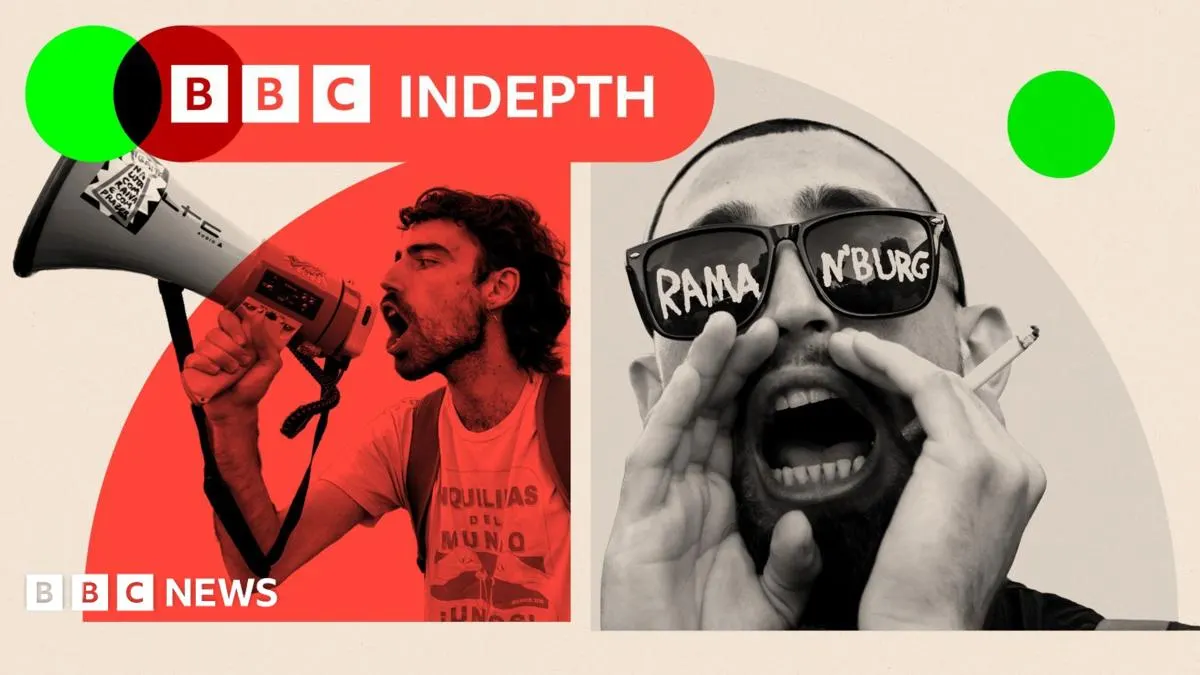
Young people are protesting across Europe over education problems, social inequality and the rising cost of living, with demonstrations reported in at least nine countries. The breadth and near-simultaneous timing of the protests suggest shared frustrations, while episodes of looting and clashes have raised questions about how governments will respond.
Many marches have been organised informally through TikTok and Instagram, alongside student unions, and protesters have drawn inspiration from peers abroad. France’s demonstrations, which began in late September amid complaints about staff shortages and deteriorating school buildings, appear to have helped spur protests elsewhere. In Barcelona, more than half of those detained after recent clashes were under 18; other protests have involved tear gas, water cannon and allegations of police heavy-handedness.
In short
- Young people are protesting in at least nine European countries.
- Education, inequality and living costs are central concerns.
- France’s protests may have helped inspire demonstrations elsewhere.
Steelman: both sides, in good faith
The strongest fair case each way — we don't pick a winner.
The case for
The protests can be seen as a legitimate response to deteriorating schools, education pressures, inequality and living costs that weigh especially heavily on young people. Informal organising and cross-border inspiration give students a way to make shared concerns visible when they feel established channels have not secured action; peaceful protest is a recognised means of pressing governments to respond.
The case against
Governments can reasonably argue that public order and the safety of demonstrators, bystanders and police must be protected, particularly where marches involve looting or clashes. They may also maintain that disruption and confrontation can undermine public support and that education and cost-of-living problems require practical, sustained policy measures rather than protest alone; any police response should be proportionate and accountable.
Explained simply
Across several European countries, young people have taken to the streets over concerns about schools, inequality and the cost of everyday life. These issues affect students in different ways, from the quality of school buildings and availability of staff to the pressure of finding affordable housing and work.
Student unions and social media have helped people organise, while protests in one country can encourage others elsewhere. Governments, police and local authorities are among those responding to the demonstrations, which have included both peaceful marches and clashes.
The protests matter because they bring young people’s concerns into public debate and raise questions about education, living standards and how authorities manage demonstrations. The mix of demands and differing events in each country means the protests do not all have the same causes or character.
Read the full article at the source →
Originally published by BBC World as “Europe’s youth take to the streets – they feel locked out of a promising future”.