Chancellor claims Labour WILL bring down benefits bill amid outcry at failure to act in Budget… but won’t say how and admits it might not happen for years
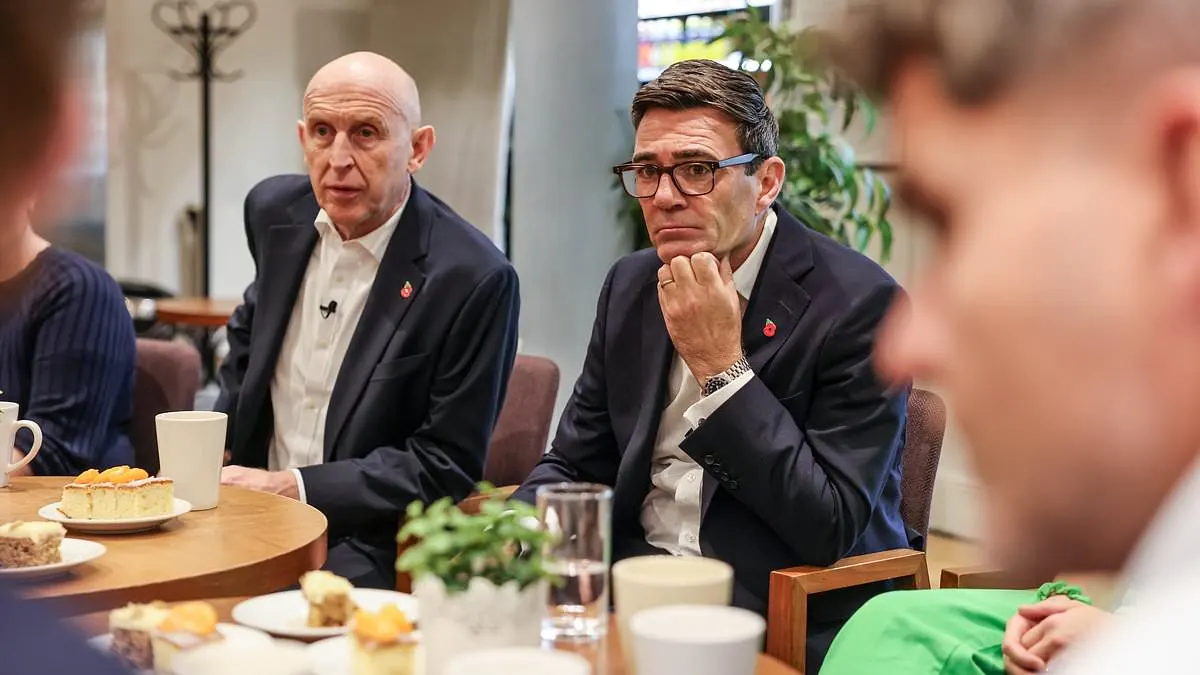
The Chancellor said Labour would reduce the benefits bill before the next election, after its Budget offered no new measures to do so. The pledge came amid criticism from the Conservatives and forecasts showing welfare costs rising, while he gave no timetable or specific plan.
Forecasts indicate welfare spending in 2030-31 will be £6 billion higher than expected in March, mainly because of benefit uprating and more Universal Credit claims. Health and disability benefits are projected to exceed £100 billion a year by 2028-29, up from £85.6 billion in 2025-26; the Chancellor cited ongoing reviews and the return of face-to-face claimant assessments.
In short
- The Chancellor pledged to reduce benefits spending before the next election.
- No detailed plan or timetable was set out in the Budget.
- Welfare spending is forecast to be £6 billion higher in 2030-31 than expected in March.
Steelman: both sides, in good faith
The strongest fair case each way — we don't pick a winner.
The case for
The Chancellor may be right to avoid setting out measures before reviews of health and disability benefits and claimant assessments are complete; changes made too quickly could wrongly deny support to people who need it. A pledge to reduce spending before the next election can signal that Labour recognises rising costs and intends to act, while allowing time to develop workable reforms.
The case against
With forecasts showing welfare spending rising substantially, critics can argue that a pledge without a plan or timetable offers little assurance that the Government will control costs. Delaying decisions risks leaving taxpayers and future budgets to absorb increases, and the lack of new measures in the Budget makes it harder to judge how the promised reduction could be achieved.
Explained simply
The benefits bill is the money the government spends on support such as Universal Credit and payments for people who are ill or disabled. Its cost depends on how many people qualify, the rules for each benefit and annual increases to payments to reflect rising prices.
The Chancellor is the government minister responsible for the UK’s finances, including tax and public spending. Labour has said it wants to reduce welfare spending, while the Conservatives have criticised its approach; forecasts suggest health and disability benefit spending will continue to rise.
Changes to benefits can affect people who rely on them as well as public finances. Reviews of the system and assessments of claimants may influence who receives support and how much, making the details and timing of any changes significant.