Healey complicates Burnham’s bid to defer debate on closer EU ties
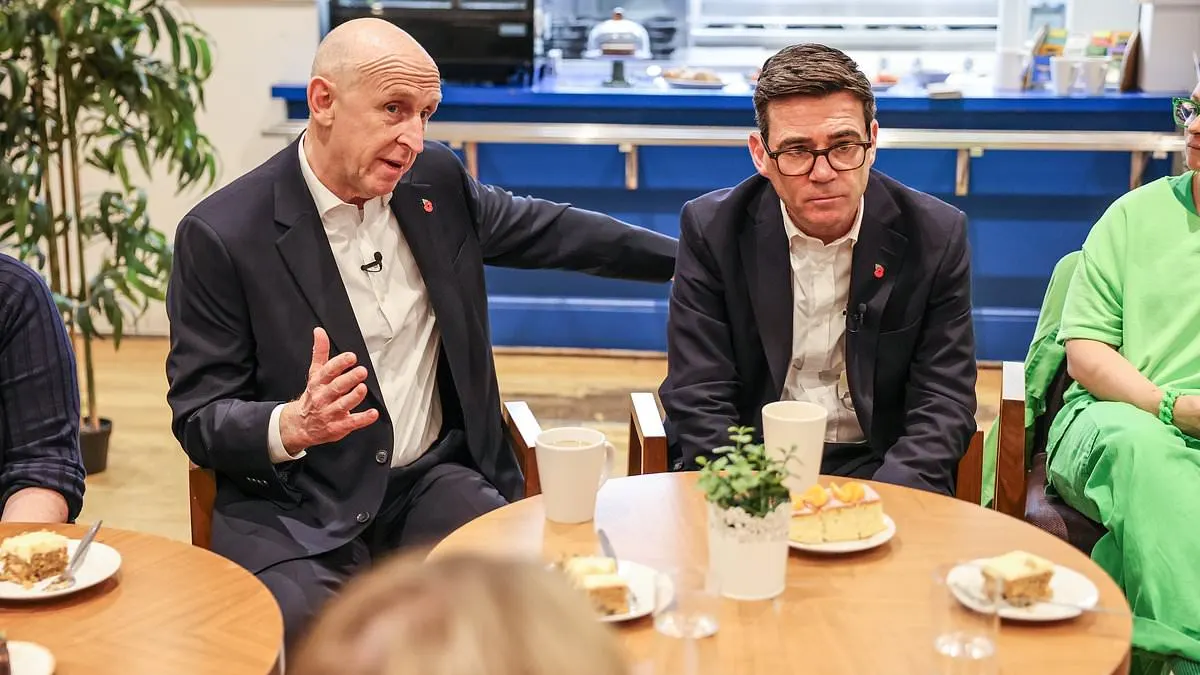
Andy Burnham’s effort to keep Cabinet ministers from taking public positions on future UK ties with the EU was complicated when Chancellor John Healey said freedom of movement was not on the agenda. Healey’s comments came amid debate over whether Labour might seek closer ties, or even rejoin the EU, after the next general election.
Healey said freedom of movement was ruled out for the current Parliament, while describing it as part of a wider discussion about securing a better Brexit deal. He said his immediate priority was next month’s European summit and negotiating better terms and lower costs for businesses. Burnham has said any fundamental change to post-Brexit arrangements would be for the public to decide and left to the next Parliament; he has also urged ministers to stay aligned in their messaging.
In short
- Healey ruled out freedom of movement during this Parliament.
- He wants better Brexit terms for businesses and consumers.
- Burnham says long-term changes should be considered by the next Parliament.
Steelman: both sides, in good faith
The strongest fair case each way — we don't pick a winner.
The case for
Keeping freedom of movement off the current agenda can give the Government room to pursue practical improvements to the Brexit settlement without reopening a divisive constitutional debate. Supporters of Burnham’s approach may argue that major changes should be debated openly and decided by voters at an election, while ministers maintain a clear and consistent message in the meantime.
The case against
Healey’s remarks can be defended as clarifying an immediate policy boundary while leaving room to discuss other ways of improving relations with the EU. Supporters of ministers speaking openly may argue that public debate should not be deferred simply to preserve message discipline, and that candour about possible future choices helps voters understand what is at stake.
Explained simply
The UK left the European Union in 2020, ending its membership of the bloc and changing how people, goods and services move between the two. Since then, politicians have debated whether to keep the current arrangements or build closer links with the EU.
Andy Burnham is a senior Labour politician, and John Healey is a Cabinet minister. Labour has not committed to rejoining the EU; discussion has included whether to seek changes to the existing deal. Freedom of movement means the right to live and work across participating countries, and its place in any future relationship is a politically sensitive question.
The debate matters because changes to UK–EU ties could affect businesses, workers and the wider economy. Labour’s position also matters to voters deciding what direction the party might take after a future general election.
Read the full article at the source →
Originally published by Daily Mail as “Healey risks undermining Burnham’s bid to ease Brexit splits as he insists freedom of movement is ‘not on the agenda’”.