World news and discussion on TalkFuse.
America’s enemies prepare to take the next major war into outer space
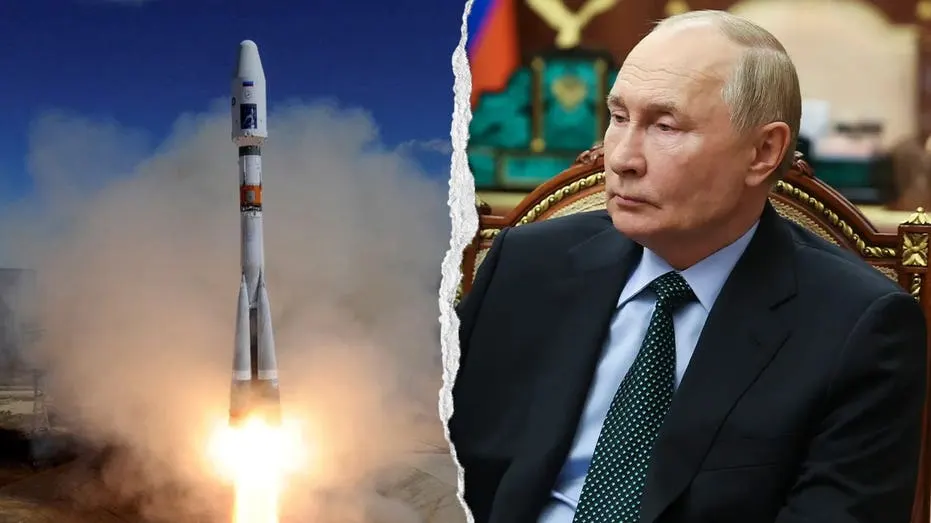
A new US Defense Intelligence Agency assessment says China and Russia are developing ways to disrupt or destroy American satellites, potentially making space an early front in a future conflict. Because US forces depend on satellites for communications, navigation, surveillance and targeting, attacks could weaken military operations and also interrupt services used by the public.
The report describes tactics ranging from jamming and lasers to cyber operations, close-proximity spacecraft and destructive weapons, with a Russian satellite reportedly designed to carry a nuclear weapon into orbit. China practises jamming GPS and communications, and has satellites with robotic arms; Russia has manoeuvred spacecraft close to US government satellites. The assessment also cites disruption near the Strait of Hormuz in June during US-Iran hostilities, which affected aircraft and shipping.
In short
- China and Russia are developing ways to disrupt or destroy satellites.
- Satellite attacks could impair military operations and civilian services.
- The DIA describes threats ranging from jamming to nuclear weapons in space.
Steelman: both sides, in good faith
The strongest fair case each way — we don't pick a winner.
The case for
The assessment could be read as evidence that China and Russia are building capabilities that threaten satellites on which US military operations and civilian services depend. Advocates of stronger deterrence argue that preparing to defend these systems, and making clear that attacks would carry costs, could reduce the risk of disruption or escalation in a future conflict.
The case against
A warning about adversaries’ capabilities can also be used to justify an expansive military response in a domain where several countries’ security and civilian services are intertwined. Advocates of restraint argue that treating space as an early battlefield may encourage an arms race and make all sides’ satellites more vulnerable, so diplomacy, shared rules and safeguards against debris-producing attacks deserve priority.
Explained simply
Satellites support military communications, navigation and surveillance, and many civilian services also rely on them. This makes space infrastructure important in any conflict, even when fighting takes place on Earth.
The United States, China and Russia all use satellites for military purposes. Ways to interfere with them include jamming signals, cyber attacks and spacecraft manoeuvres; some methods could disrupt services, while destructive attacks could damage or destroy satellites.
A serious disruption could make it harder for armed forces to communicate and coordinate, and could affect navigation or communications used by the public. The concern is part of a wider contest over how countries might protect or threaten space systems during a conflict.
Americas Asia Europe Space Technology World