Carney seeks deeper EU ties at Montreal summit amid US trade tensions
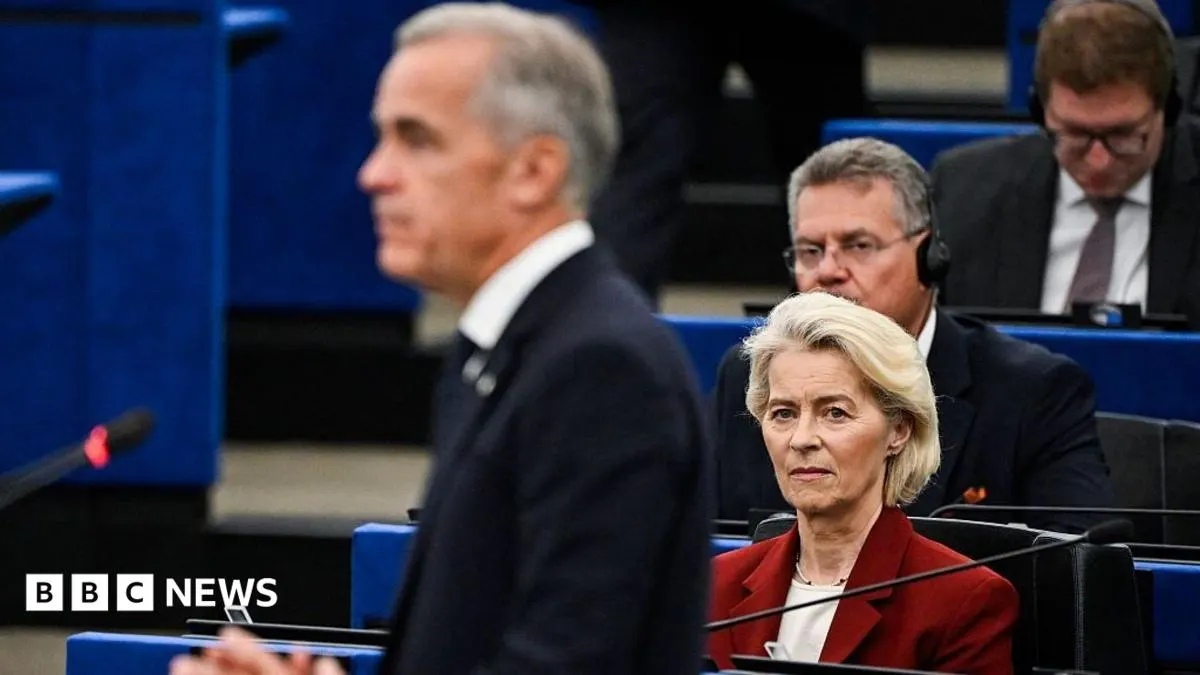
Canada’s Prime Minister Mark Carney will use a two-day summit in Montreal to pursue closer ties with the European Union, amid trade tensions with the United States. The discussions matter because both sides see scope for a stronger partnership, although they have not agreed on how to describe Canada’s proposed relationship with the bloc.
European Commission President Ursula von der Leyen floated “associate membership” after Carney addressed the European Parliament, but Germany and other countries objected to the term, which they associate with countries seeking full EU membership. The summit is expected to cover defence, critical minerals, research and trade, as well as business and student links; officials say Canada is not seeking full membership or planning to pay a standard membership fee, and that further details will be worked out in the coming months.
In short
- Carney is seeking closer Canada-EU ties at a Montreal summit.
- The “associate membership” label has prompted disagreement among EU states.
- Talks are expected to cover defence, minerals, research and trade.
Steelman: both sides, in good faith
The strongest fair case each way — we don't pick a winner.
The case for
Closer EU ties could help Canada and Europe diversify trade and reduce exposure to US policy shifts, while expanding cooperation on defence, critical minerals, research and education. A more structured partnership could make shared interests easier to pursue, provided its terms reflect Canada’s distinct position outside the EU.
The case against
A deeper relationship could create expectations and obligations that are difficult to define, especially if labels such as “associate membership” suggest a path to full EU membership or imply fees and commitments Canada does not intend to accept. EU governments may reasonably prefer to protect the clarity of membership rules and focus on practical cooperation without creating a new status that could raise political or institutional complications.
Explained simply
Canada and the European Union already have a trade agreement, but are exploring ways to work more closely in other areas. Canada is not an EU member, and its government says it is not seeking to join the bloc.
The EU is a political and economic union whose members make many decisions together, including on trade rules. Canada and EU countries are discussing possible cooperation on defence, minerals used in key technologies, research and exchanges between businesses and students; the terms of any closer arrangement remain unsettled.
The United States is Canada’s largest trading partner, so trade disputes can affect Canadian businesses and jobs. Closer links with Europe could broaden Canada’s partnerships, while also raising questions about what the EU can offer a country outside the bloc.
Americas Europe Geopolitics Politics World
Read the full article at the source →
Originally published by BBC World as “Carney to push for closer ties at Canada-EU summit in Montreal”.