Lloyds executive criticises Healey for linking bank tax rises to energy bill support
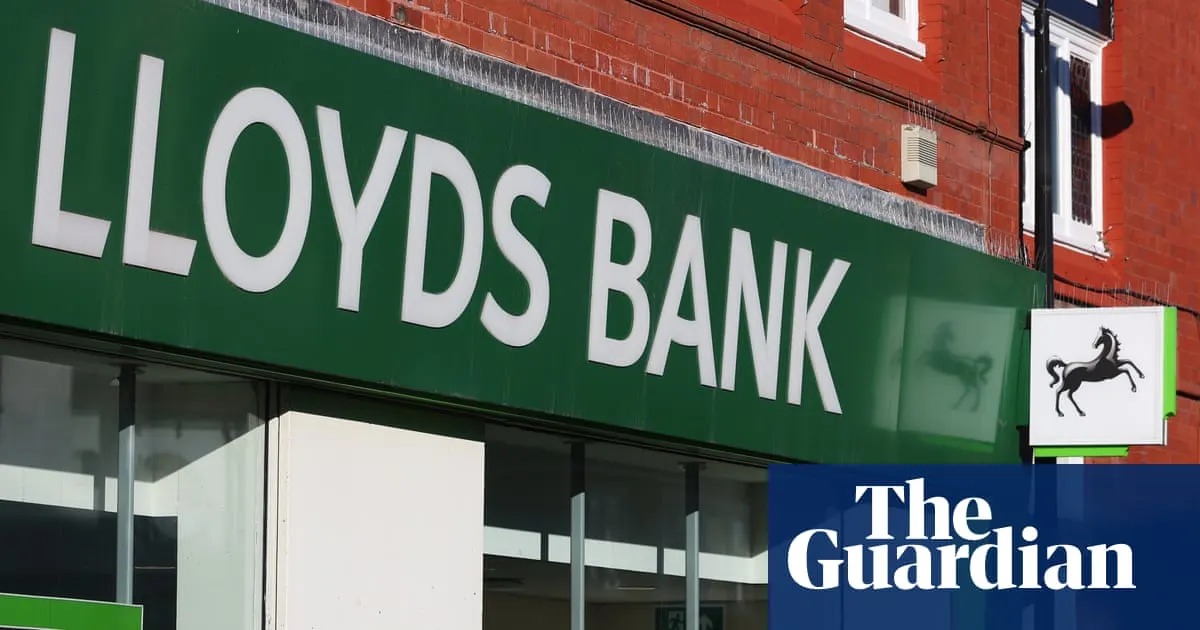
Lloyds Banking Group finance chief William Chalmers criticised Chancellor John Healey’s decision to link a higher bank tax with help for household energy bills. He said the banking sector needs a stable, competitive tax environment to keep lending to businesses and households and support UK growth.
Healey plans to double the bank surcharge to 6% from January for 15 months, saying the rise will fund immediate energy bill support. Chalmers said he hopes the measure ends in March 2028, while some bankers fear it could be extended, as happened with a Spanish bank levy. Lloyds reported third-quarter pre-tax profits of £2.3bn, up from £1.2bn a year earlier, partly because the earlier period included an £800m motor finance compensation charge.
In short
- Lloyds’s finance chief wants the higher bank tax to end after 15 months.
- The surcharge will rise to 6% from January to fund energy bill support.
- Lloyds’s quarterly pre-tax profits nearly doubled to £2.3bn.
Steelman: both sides, in good faith
The strongest fair case each way — we don't pick a winner.
The case for
Linking a temporary bank surcharge to energy bill support could raise funds quickly for help with household costs, while asking a profitable sector to contribute during a period of strong earnings. A defined end date may make the measure a proportionate way to address immediate pressure without committing to permanent higher taxes.
The case against
Banks need a predictable, competitive tax environment to plan lending and investment, which can support households, businesses and economic growth. Even a temporary surcharge may weaken confidence if it is later extended, and tying bank taxes to a specific spending need could make temporary levies harder to remove.
Explained simply
Banks pay corporation tax on their profits, as well as an extra charge known as the bank surcharge. The government can change these taxes, while banks decide how much to lend to households and businesses and on what terms.
Lloyds Banking Group is one of the UK’s largest banks, and William Chalmers is its finance chief. John Healey is the Chancellor, responsible for the government’s tax and spending plans.
The dispute centres on how to raise money for public support while keeping the UK attractive for banking and lending. It also raises questions about whether a tax change described as temporary will remain limited in duration.
Business Government Politics UK World