Politics news and discussion on TalkFuse.
On the Ballot: The 5 key money moves in the priciest midterms yet
Developed over time first seen 2 weeks ago
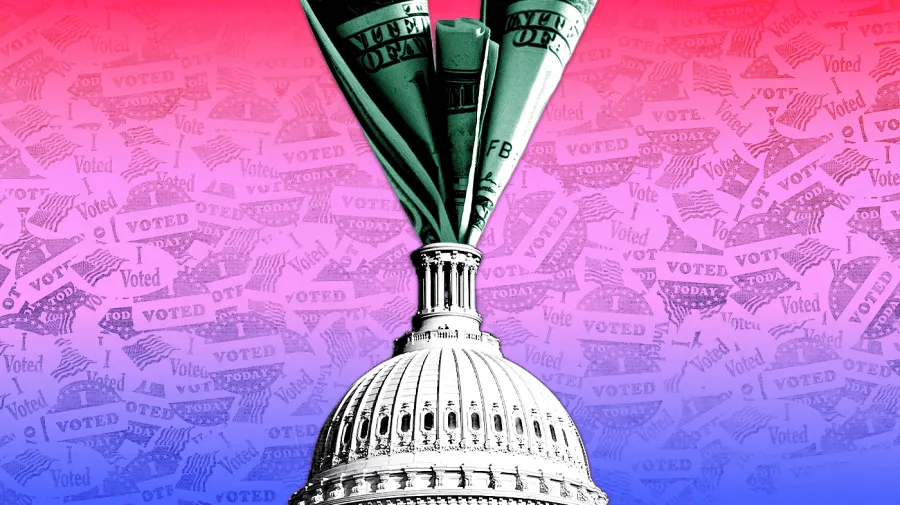
The 2026 US midterms became the most expensive on record as donors, campaigns and outside groups poured money into contests for Congress. More than $11 billion had flowed into races by the final week, according to The Hill’s account. The spending was concentrated in competitive seats, where late advertising pushes could reach voters before polling day. Large contributions from wealthy individuals, including Elon Musk, also raised the stakes for groups seeking to shape the result.
The scale of the spending does not establish which party will win. Campaign money can buy advertising and voter outreach, but its effect depends on where and when it is spent, as well as the candidates and issues voters face. The final rush has drawn attention to the role of super PACs, which can accept unlimited contributions, and to how much influence a small number of major donors may have in close races. AdImpact projected a record $11.6 billion in political advertising across the 2025–26 election cycle, a measure distinct from total campaign spending.
- Sources
- 2
- Outlets
- 2
- Left · Centre · Right
- 0 · 1 · 0
In short
- The 2026 midterms set a spending record.
- Wealthy donors and outside groups helped drive the surge.
- Late spending may matter most in close races, but money cannot guarantee a win.
How this story developed
- 2 weeks ago The 2026 US midterms became the most expensive on record as donors, campaigns and outside groups poured money into contests for Congress. More than $11 billion had flowed into races by the final week, according to The Hill’s account.
Steelman: both sides, in good faith
The strongest fair case each way — we don't pick a winner.
The case for
Record spending can help campaigns reach voters with information about candidates, policies and voting logistics, particularly in close races where outreach may affect who participates. Supporters of robust political spending argue that individuals and groups should be able to support causes and candidates, and that competing voices can make elections more informative.
The case against
When a small number of wealthy donors and outside groups can spend heavily, they may gain disproportionate influence over which issues receive attention and how campaigns are run. Critics argue that this can weaken political equality and public trust, especially when unlimited super PAC contributions make it harder for voters to see whose interests are being advanced.
Explained simply
US midterms are elections held halfway through a president’s four-year term. Voters choose all members of the House of Representatives and some senators; those elected help decide which party controls Congress and can influence what laws are passed.
Candidates raise money for campaigning, while outside groups can also pay for political adverts and voter outreach. Super PACs are groups that may take unlimited donations, though they must operate separately from candidates’ campaigns.
Spending can help campaigns reach voters, especially in closely contested seats, but it does not determine the result. The record sums involved have renewed attention to how election money is raised and the role wealthy donors, including Elon Musk, can play in funding political activity.
Coverage · 2 sources
Americas Elections Government Politics World