Panic buttons, bomb-sniffing dogs and bulletproof glass: Inside the threats swarming the midterm elections … and the rhetoric that has officials on edge
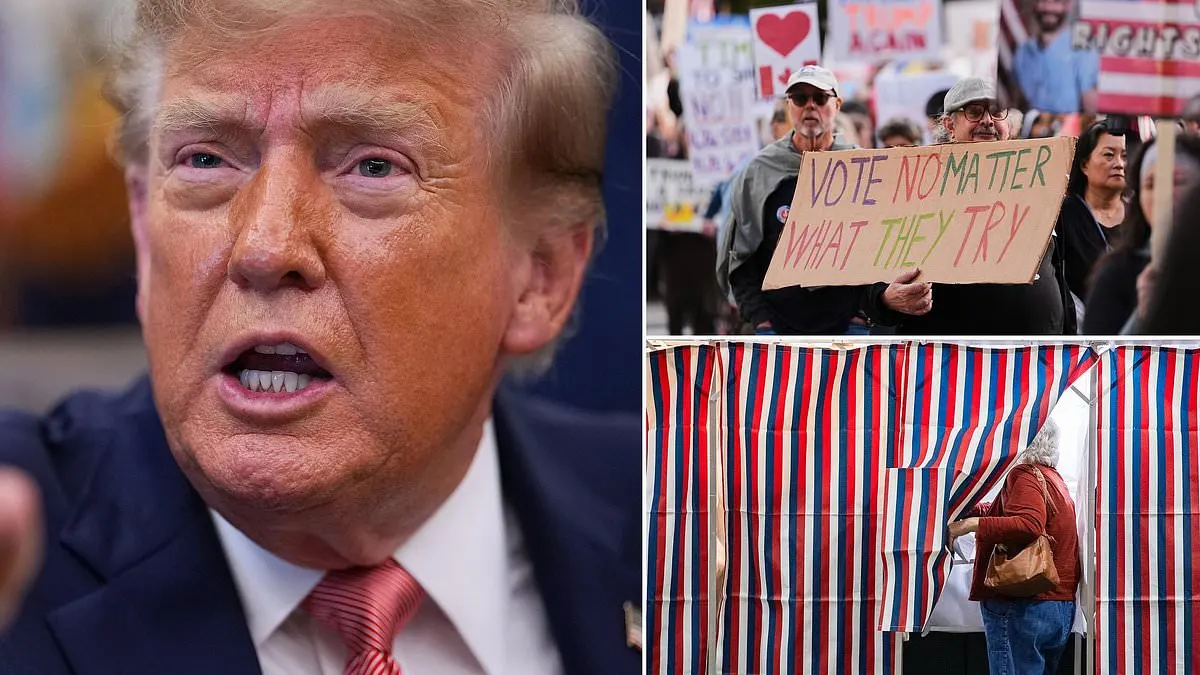
Election offices in at least six states have received letters containing white powder, amid a wider wave of suspicious mailings and threats ahead of the US midterm elections. The FBI and US Postal Inspection Service are investigating up to 100 mailings sent to election administrators this month, leaving officials preparing for possible danger as voters head to the polls.
The article says more than 100 letters were sent to state and local election sites in October, and more than three dozen congressional offices have also been targeted. In Louisiana, a state employee went to hospital as a precaution and a building was evacuated; officials in Ohio and Oklahoma also reported being targeted. Security trainer Tina Barton said she had led more than 140 election staff trainings ahead of the 3 November vote, compared with about 67 in 2024. Officials disagree over the role of political rhetoric: Arizona Secretary of State Adrian Fontes criticised Donald Trump’s claims about voter fraud, while the White House said Trump was working to ensure free and fair elections.
In short
- Election offices in at least six states received white-powder letters.
- Authorities are investigating up to 100 suspicious mailings.
- Election staff security training has risen sharply since 2024.
Steelman: both sides, in good faith
The strongest fair case each way — we don't pick a winner.
The case for
Election officials and security experts can argue that the volume of suspicious mail and threats warrants heightened precautions, and that claims of widespread voter fraud can undermine trust and expose staff to intimidation. Protecting workers and the orderly administration of elections may require public leaders to avoid rhetoric that could intensify suspicion or hostility.
The case against
Those defending Trump’s approach can argue that scrutiny of election procedures and forceful political criticism are legitimate parts of democratic debate, especially when voters have concerns about election integrity. They can also say that responsibility for threats lies with those who make them, and that safeguards and investigations should address the danger without treating political rhetoric as its cause absent clear evidence.
Explained simply
US midterm elections take place halfway through a president’s four-year term. Voters choose members of Congress and, depending on the state, governors and other officials; local election staff organise voting and count ballots.
State and local election offices, congressional offices, the FBI and the US Postal Inspection Service are among the institutions involved in election security. Election workers have faced threats in recent years, prompting some offices to train staff and review safety procedures.
Political leaders and election officials have disagreed over claims of voter fraud and their effect on public confidence. That debate matters because election offices must carry out voting securely while maintaining trust in the results.
Art Culture Elections Politics World