Inside the ‘never-ending cruise’ that dumped its passengers in Cambodia: ‘It got worse and worse. Crew begged us for money. We gave them $450k after they pressured us’
Developed over time first seen 2 hours ago
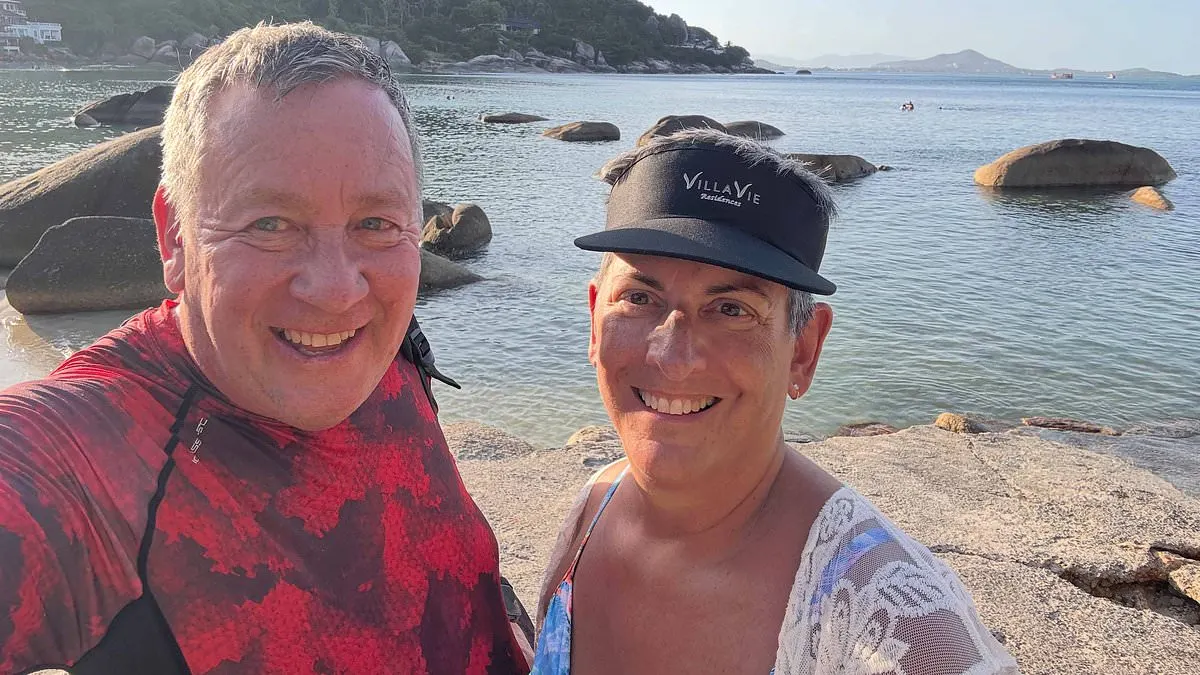
About 200 residents of Villa Vie Residences’ Odyssey were told to leave the ship in Cambodia after the company suspended operations, with only seven hours to pack. The sudden disembarkation followed months of worsening conditions and repeated requests for extra money, leaving residents who had committed substantial savings to a long-term world cruise facing uncertainty.
Paul and Lynn Montoya, a retired couple from Wyoming, say they paid $179,000 for their cabin and have spent $450,000 in total, including unexpected costs. They say residents were asked to lend the company $2.2 million, then contribute further sums of $1.5 million in September and $360,000 while stranded in Cambodia; the couple say promised loan repayments never arrived. Villa Vie said monthly fuel costs per cabin had risen from about $1,800 to an estimated $6,000 to $8,000 in parts of Asia.
- Sources
- 2
- Outlets
- 1
- Left · Centre · Right
- 0 · 0 · 2
In short
- Around 200 Odyssey residents were told to disembark in Cambodia.
- The Montoyas say their total costs reached $450,000.
- Residents describe pressure to fund rising costs and keep the voyage going.
How this story developed
- 1 hour ago About 200 residents of Villa Vie Residences’ Odyssey were told to leave the ship in Cambodia after the company suspended operations, with only seven hours to pack.
Full account
About 200 people living aboard the Villa Vie Odyssey were told to leave the ship during a stop in Sihanoukville, Cambodia, after its operator suspended operations. Passengers said they were given about seven hours to pack their belongings. For some, the departure brought an abrupt end to a retirement plan built around years of travel at sea.
The Odyssey was marketed as a way to make a home aboard a ship while visiting destinations around the world. Residents could rent a cabin for a shorter stay or pay for a longer residency, with prices reportedly reaching $440,000. The proposed itinerary covered hundreds of destinations in 147 countries, including Antarctica. The ship departed Northern Ireland in October 2024, after delays to its planned launch.
Among those who joined were Paul and Lynn Montoya, a retired couple from Wyoming. Lynn Montoya told the Daily Mail that they had committed to at least four years aboard and initially paid $179,000 for their cabin. She said their total spending had since reached about $450,000, including money provided after the operator sought additional funds. Her account describes a growing sense that the journey they had paid for depended on residents contributing more money.
According to Montoya, Villa Vie asked 22 residents in April to lend it a combined $2.2 million, citing higher fuel costs. She said the company had promised monthly repayments with interest, but that she and her husband had received none. She also described later appeals to residents for $1.5 million in September and $360,000 while the ship was in Cambodia. These figures and the terms of the alleged loan are her account; the supplied reports do not include the company’s response to those specific claims.
Villa Vie attributed the suspension of operations to rising fuel costs linked to conflict in the Middle East. Some current and former passengers offered a broader explanation, saying that delays before the Odyssey set sail had already put pressure on the venture’s finances. They also described recurring problems aboard, including interruptions to air conditioning and internet service, a pool that was often unavailable and meals they considered repetitive. Those accounts suggest that, for these residents, concerns about the voyage had been building before the announcement in Cambodia.
Passengers described a hurried departure. Randy Cassingham, who was travelling with his wife, Kit, said people packed in the corridors after receiving the instruction to leave. He wrote that passengers were told their passports would be returned only after outstanding bills were paid, and said the operator had offered to arrange a charter flight to the United States for $1,100 per person. The supplied material does not establish how many passengers used that offer or what arrangements were made for those travelling elsewhere.
Where outlets differ
From the full account, which is AI-written from the sources:
Both supplied reports are attributed to the Daily Mail. The first centres on Lynn Montoya’s account of payments and requests for money; the second gives more attention to onboard conditions, the departure from Cambodia, other passengers’ accounts and lawsuits.
The reports describe the timing differently: one says passengers were ordered off during a stop ‘this week’, while the other gives a more specific account of a Tuesday morning instruction. The excerpts do not provide enough detail to resolve every date.
The first report says the Odyssey left Northern Ireland in October 2024; the second says the venture launched in September 2024 and describes a delayed departure. These may refer to different milestones, but the excerpts do not explain the distinction.
Steelman: both sides, in good faith
The strongest fair case each way — we don't pick a winner.
The case for
The company’s strongest case is that operating a long-term cruise became far more expensive than expected, with fuel costs in parts of Asia reportedly rising sharply. It may argue that asking residents for temporary financial support was an attempt to keep the ship operating and protect their investment, rather than abandoning the voyage.
The case against
Residents can reasonably argue that they committed substantial savings on the basis of a long-term voyage, yet faced repeated requests for more money, unpaid promised loans and a sudden order to leave with only seven hours to pack. Even if costs rose, the company had a responsibility to communicate clearly and handle the disruption in a way that protected residents from avoidable financial and practical harm.
Explained simply
Villa Vie Residences sells cabins on long-term cruises, allowing residents to live aboard a ship as it travels between ports. Its Odyssey carried about 200 residents, including retirees who had paid large sums to join the voyage.
The company runs the ship and collects money from residents, while those residents depend on it for accommodation and travel. Fuel and other operating costs can affect whether a cruise can continue, and residents may have limited options if plans change while they are far from home.
The dispute raises questions about how residents’ money was used, what protections apply when a residential cruise stops operating, and whether promised repayments will be made. It matters because people who commit their savings to life aboard a ship can face substantial financial and practical uncertainty if the company cannot keep operating.
Coverage · 2 sources
Bias meters
From 2 rated sources.
- Daily MailRightInside the ‘never-ending cruise’ that dumped its passengers in Cambodia: ‘It got worse and worse. Crew begged us for money. We gave them $450k after they pressured us’
- Daily MailRightHorrors inside the 15-year cruise from hell that left passengers stranded Cambodia: Swinging couples, deaths… and alleged demands from crew for money as situation got 'critical'